history of ‘— is just one damned thing after another’
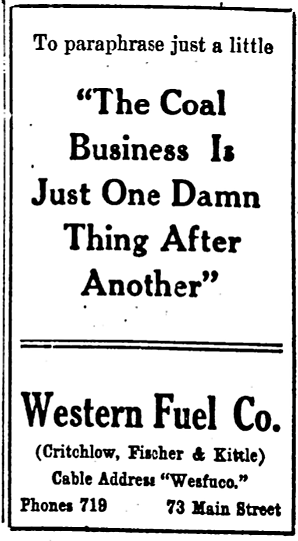
USA, 1909—first with grammatical subject ‘life’, meaning ‘life consists of a succession of unpleasant or unlucky events’—then with other grammatical subjects
Read More
“ad fontes!”
USA, 1909—first with grammatical subject ‘life’, meaning ‘life consists of a succession of unpleasant or unlucky events’—then with other grammatical subjects
Read Moreto have no idea at all—Scotland, 1990—‘scooby’ (short for ‘Scooby Doo’, name of cartoon dog in U.S. television series and films): rhyming slang for ‘clue’
Read More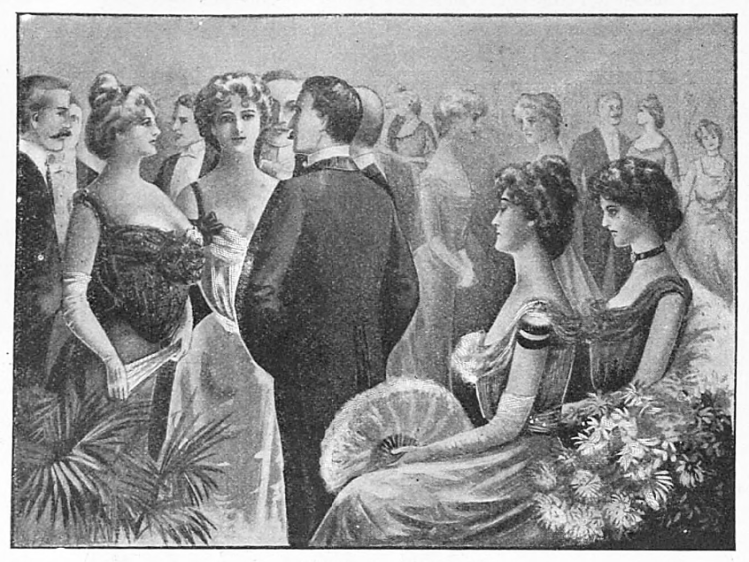
UK 1801 ‘wallflower’—France 1806 ‘faire tapisserie’ (= ‘to do tapestry’)—in both cases because the person keeps their seat at the side of a room during dancing
Read More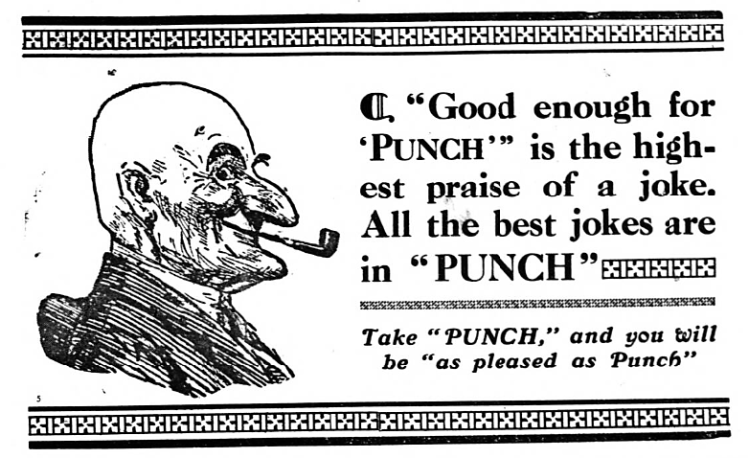
UK, 1872—used of a very funny joke or real-life event—refers to ‘Punch or the London Charivari’, a British weekly magazine of humour and satire
Read More
January 1984—from a television advertisement for the hamburger chain Wendy’s, in which an elderly lady demands where the beef is in a huge hamburger bun
Read MoreUSA, 1838—used with reference to extreme cold, extreme heat and other notions such as ridiculousness—from jocular allusions to brass statuettes of monkeys
Read MoreUK, 1948—USA, 1952—from the image of the over-cautious man who wears both a belt and braces/suspenders to hold up his trousers
Read MoreUK, 1872—alludes to a stranger’s accidental (as opposed to a parent’s legal) responsibility for an infant
Read MoreUK, 1920—to commit a blunder; to make a tactless or indiscreet remark—meaning obscure in some early uses
Read MoreThe phrase ‘footloose and fancy-free’ means ‘not committed or tied to anyone or anything’—it appeared in the 1860s only, in U.S. political contexts, although each of its elements dates from the 17th century.
Read More
