‘home, James (and don’t spare the horses)’: meaning and early occurrences

used as a humorous exhortation to a driver (‘James’: generic posh Christian name)—USA—shorter form: late 19th century—extended form: 1911
Read More
“ad fontes!”
used as a humorous exhortation to a driver (‘James’: generic posh Christian name)—USA—shorter form: late 19th century—extended form: 1911
Read More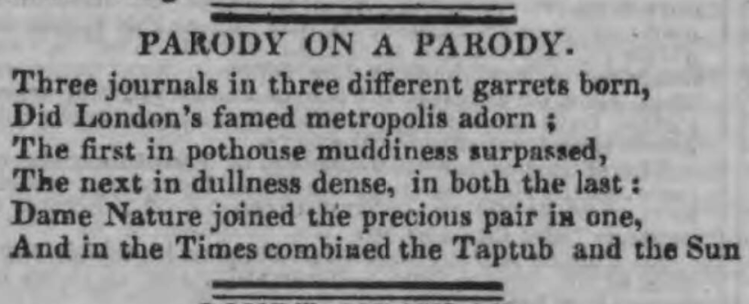
The Times: nicknamed Thunderer—the Morning Advertiser: Gin-and-Gospel Gazette, Tap-tub—The Morning Post: Jeames—The Morning Herald and The Standard: respectively Mrs Harris and Mrs Gamp
Read More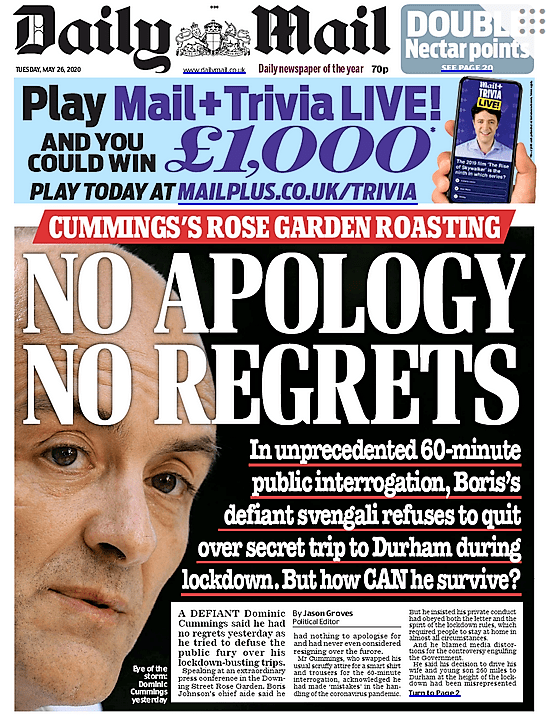
1894—(depreciative) someone who has a controlling influence over another—from the name of the hypnotist under whose spell Trilby falls in ‘Trilby’ (1894), by George Du Maurier
Read More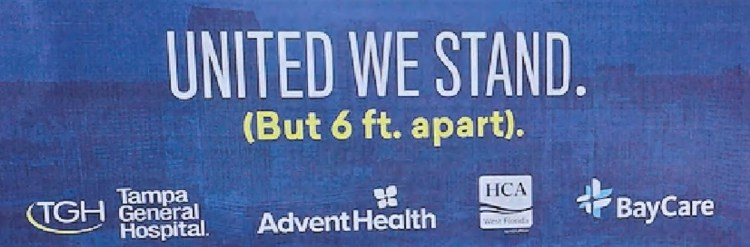
21st century: the practice of maintaining a certain distance between oneself and other people in order to prevent infection with a disease—20th century: the practice of maintaining a degree of remoteness or emotional separation from another person or social group
Read More‘anything for a quiet wife’ (1875)—jocular variant of ‘anything for a quiet life’ (ca. 1620), which expresses concession or resigned agreement, to ensure one is not disturbed
Read Moreto be mistaken or disappointed—USA,1840, as ‘you shot your granny in the eye with a baked apple’
Read Moremeaning: any possible thing, event, or situation is envisaged or found—UK, 1839—image of a scope ranging from the most innocuous to the most harmful
Read Morea person regarded as good-natured but also not ‘bright’ intellectually—UK, 1981—Australia, 1982—USA, 1986
Read More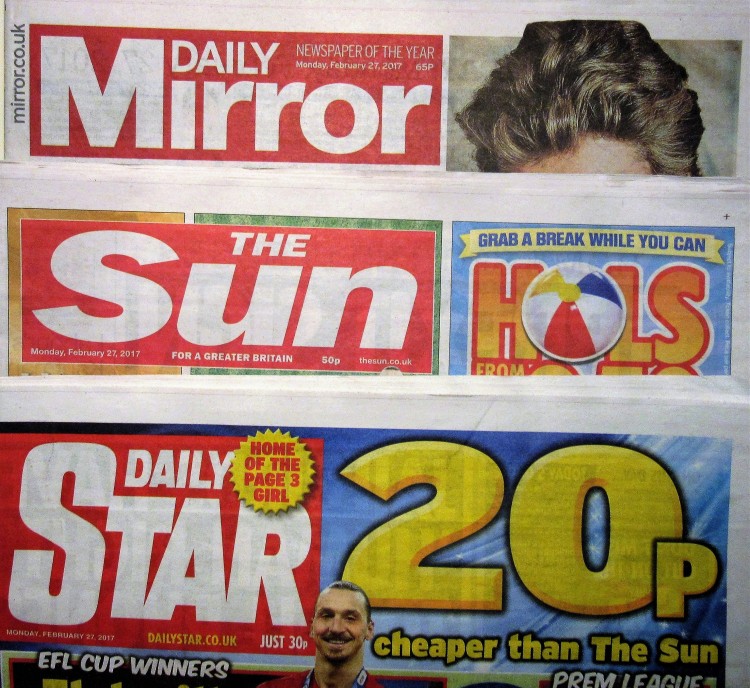
‘The Daily Telegraph’: nicknamed ‘Torygraph’ for its adherence to Conservative Party—the ‘Daily Mail’: nicknamed ‘Daily Heil’ for its support for Fascists in the 1930s
Read Moremeans that, in a specific situation, a person will be blamed or considered wrong no matter what he or she does—USA, 1817—originally used in Christian contexts
Read More
