history of the phrase ‘are you there with your bears?’
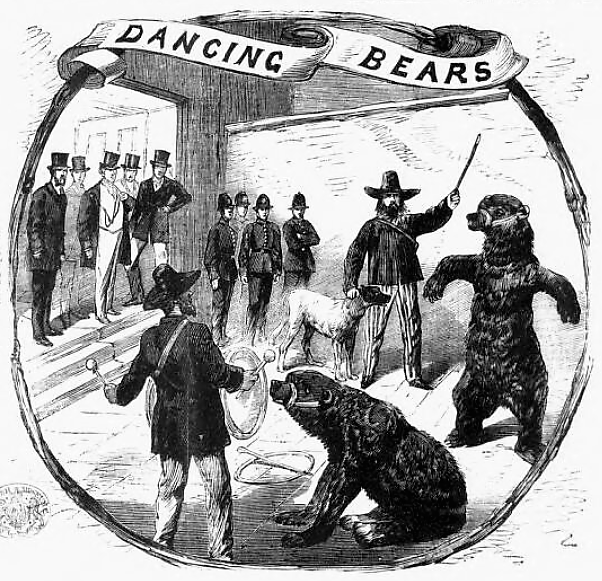
16th century—exclamation of annoyance at the reappearance of someone or something—from bear-leaders’ regular visits or from story of Elisha and the bears
Read More
“ad fontes!”
16th century—exclamation of annoyance at the reappearance of someone or something—from bear-leaders’ regular visits or from story of Elisha and the bears
Read Moreto have no idea at all—Scotland, 1990—‘scooby’ (short for ‘Scooby Doo’, name of cartoon dog in U.S. television series and films): rhyming slang for ‘clue’
Read More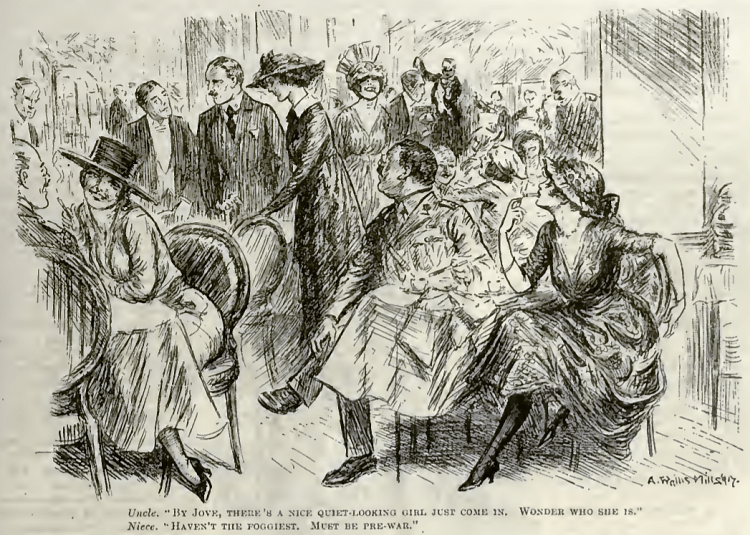
to have no idea at all—UK, 1913, shortening of ‘not to have the foggiest idea’ and variants (mid-19th century)—adjective ‘foggy’ means hazy, vague
Read More
UK, 1935—to conduct oneself adroitly (‘clever’: adverb meaning ‘skilfully’)—originated in boxing
Read More1911—‘Damaged Goods’, translation of ‘Les Avariés’, by French dramatist Eugène Brieux, about the dangers of ignorance concerning sexually transmitted diseases
Read Morean ironically resigned, yet far from submissive, reflection upon the vicissitudes of life—UK, 1937 in The Games Mistress, a monologue by Arthur Marshall
Read More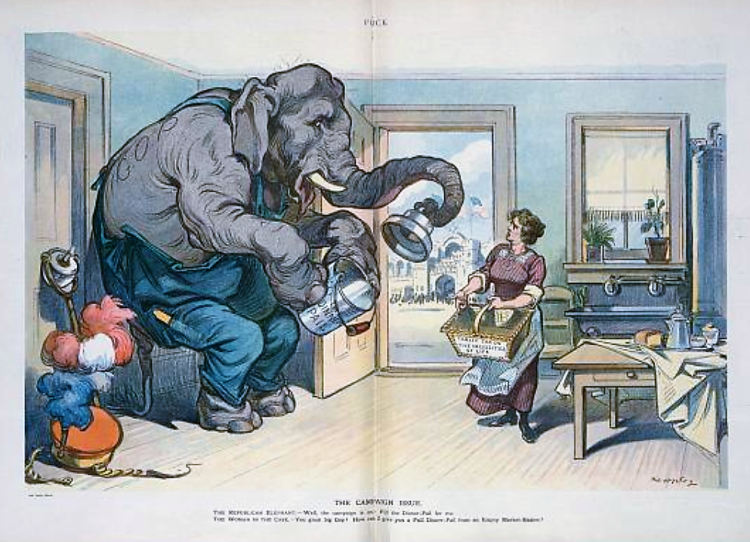
USA—from Republican slogan during the 1928 presidential campaign—‘a chicken in every pot’: from a declaration attributed to King Henri IV of France (1553-1610)
Read More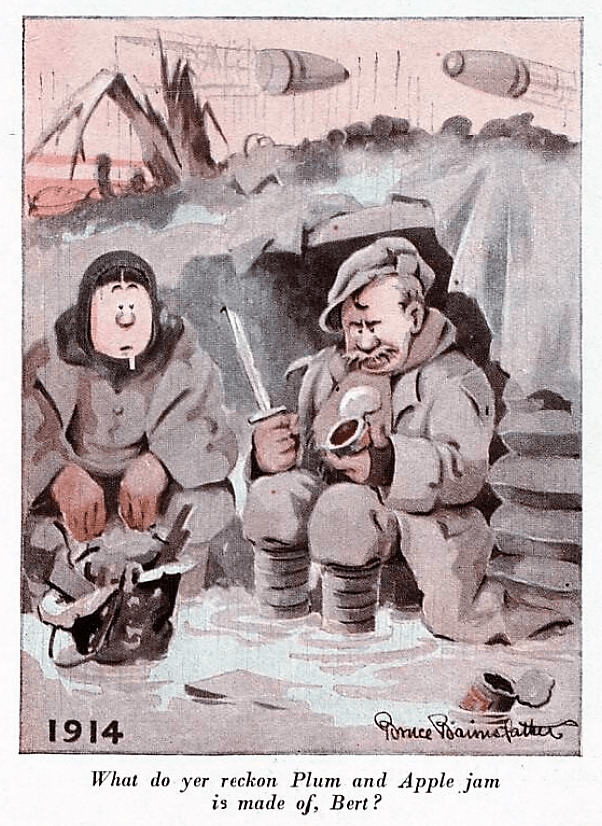
UK, 1913—from a British Army song (1908) parodying a hymn titled ‘Kind Words Can Never Die’ (USA, 1859)
Read More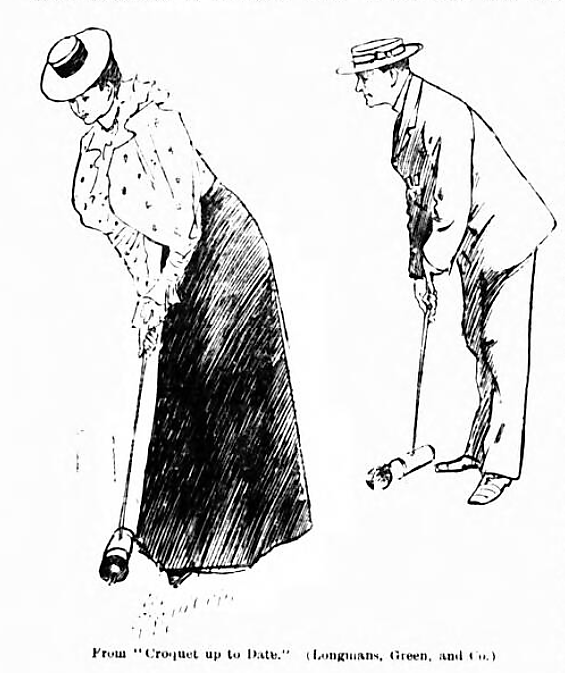
croquet: unenterprising or defensive player or play—from the name of the fictitious author of a chapter on such tactics in Lillie’s ‘Croquet up to Date’ (1900)
Read More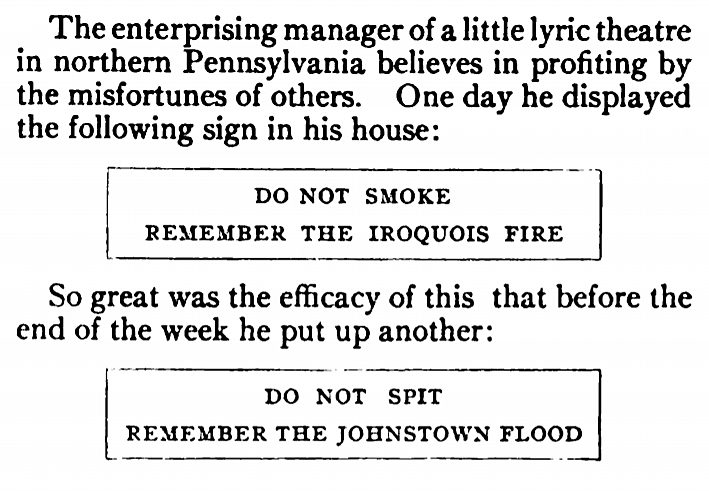
1908—jocular cautionary advice in theatres, saloons, hotels, etc.—refers to the flooding of the town of Johnstown, Pennsylvania, in 1889
Read More word histories