origin of ‘up the river’ (to prison)
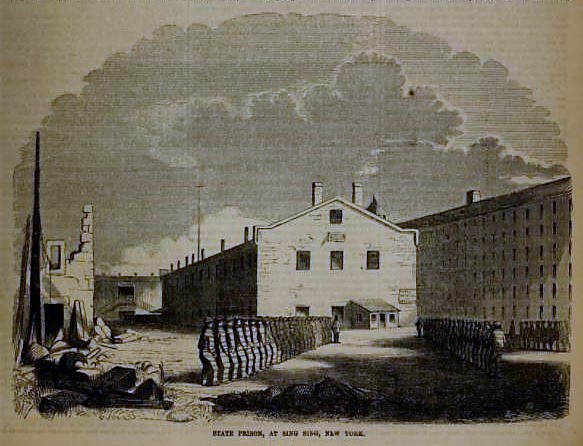
US, 19th cent.—‘to send up the river’ (to send to prison)—originally referred to Sing Sing prison, situated up the Hudson River from the city of New York
Read More
“ad fontes!”
US, 19th cent.—‘to send up the river’ (to send to prison)—originally referred to Sing Sing prison, situated up the Hudson River from the city of New York
Read More
This phrase originated in the history of American slavery: the river was the Mississippi and down implied the transfer of slaves from north to south.
Read MoreBritish, 18th century—a mock oath attributed to sailors, meaning ‘may my ship’s beams be broken into pieces’—early variants used by Tobias Smollett
Read Morefrom the bakers’ former practice of adding a loaf to a dozen, either as a safeguard against accusations of giving light weight or as the retailer’s profit
Read More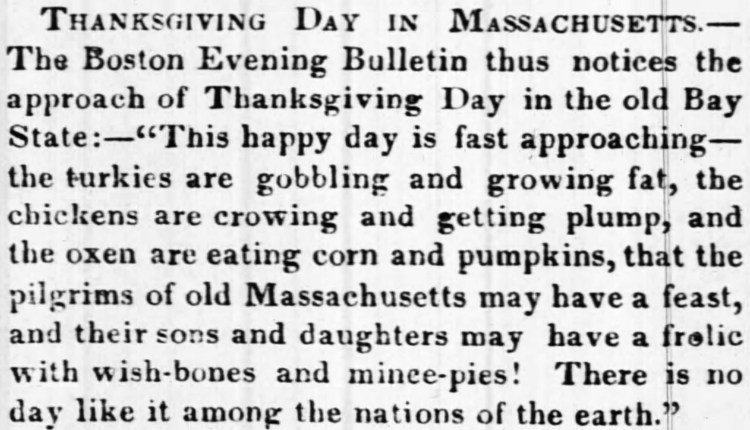
‘merrythought’, late 16th century— the forked bone between the neck and breast of a bird—so called from its resemblance to a woman’s external genitals
Read More
‘no man’s land’—first a place of execution outside London; then a mass burial ground during the Black Death; later an unoccupied zone between opposing forces
Read More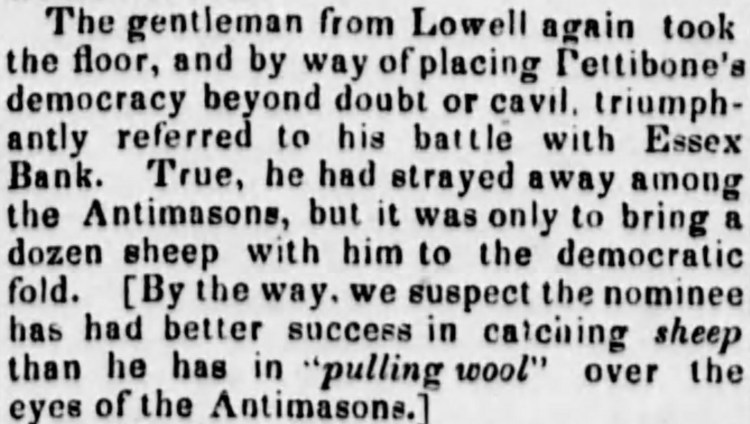
‘to pull the wool over someone’s eyes’, US, 1830s—perhaps from sheep farming: the hair that grows around a sheep’s eyes can get into them and blind the animal.
Read More‘the next world’, hence also ‘death’, ‘utter destruction’—1752—a loose, originally slangy, use of the petition ‘Thy kingdom come’ in the ‘Lord’s Prayer’
Read More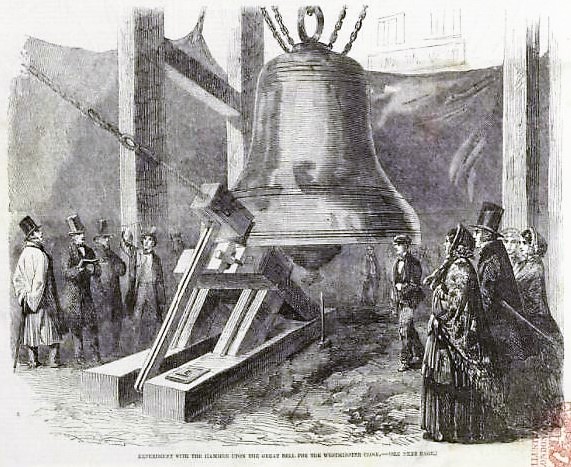
The Great Bell in the Parliament clock tower in London was named after Benjamin Hall, who, as First Commissioner of Works and Public Buildings, oversaw its installation in 1856.
Read More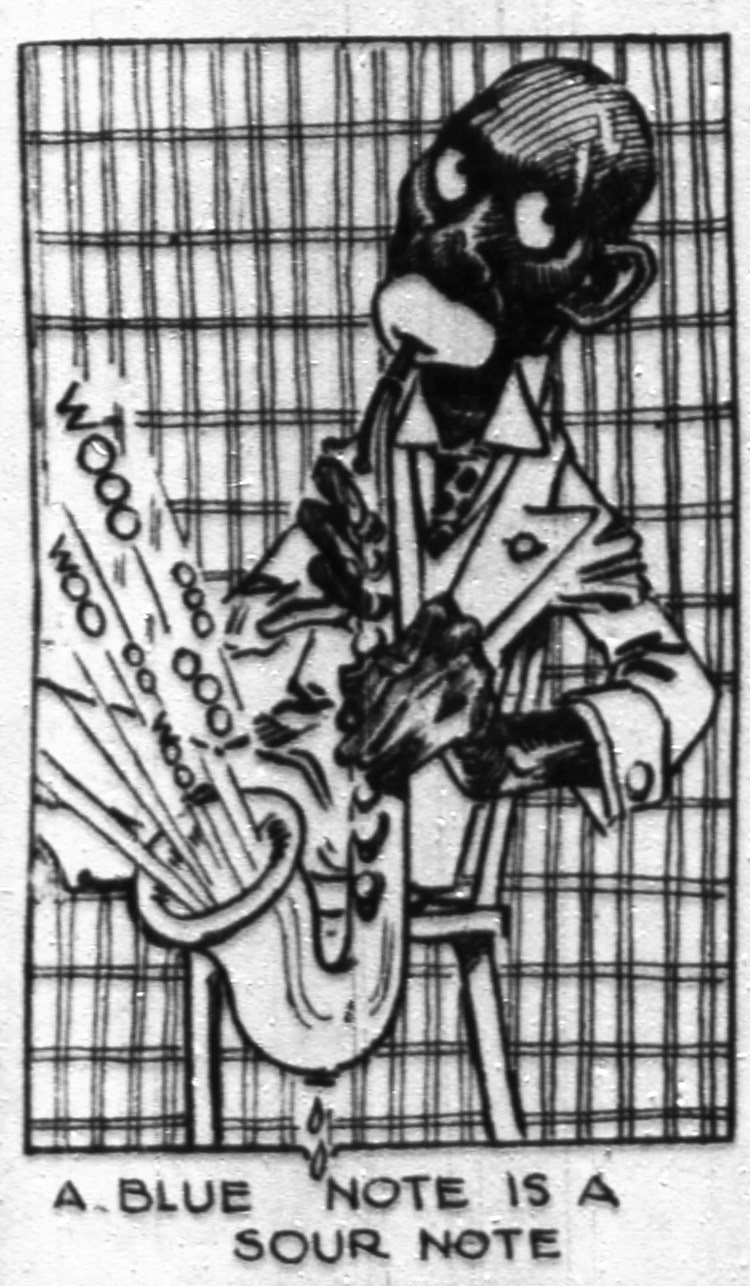
‘blues’—from ‘blue’ (‘sorrowful’) and elliptically from ‘blue devils’ (‘depression’)—originally a metaphorical use of ‘blue’ (‘bruised’), as in ‘black and blue’
Read More
