origin of ‘to be born with a silver spoon in one’s mouth’
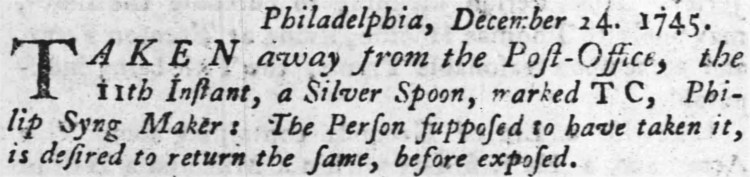
alludes to the gift of a spoon to a child at its christening—1762 as ‘one man is born with a silver spoon in his mouth, and another with a wooden ladle’
Read More
“ad fontes!”
alludes to the gift of a spoon to a child at its christening—1762 as ‘one man is born with a silver spoon in his mouth, and another with a wooden ladle’
Read More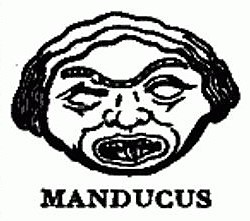
In Latin, short words having complicated irregularities in their forms gave way to simpler words with regular patterns and longer phonetic individualities.
Read More‘the land of Nod’: a state of sleep—punning allusion to the name of the region to which Cain went after he had killed his brother Abel (Genesis, 4:16)
Read More
‘Wash the milk off your liver’: refers to the digestibility of milk, but misunderstood by the Oxford English Dictionary as referring to cowardice
Read Morefrom the gospel of Matthew, 18:6: If someone causes a child to sin, it would be better for them to have a millstone hung around their neck and be drowned in the sea.
Read More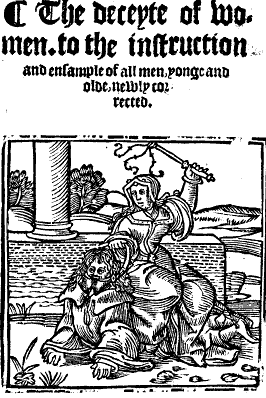
history (and Latin and French equivalents) of ‘to cut off one’s nose to spite one’s face’ (to carry out a vengeful action that hurts oneself more than another)
Read More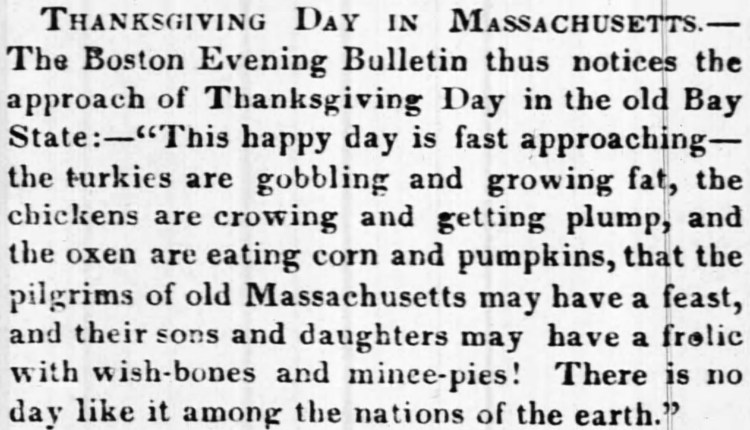
‘merrythought’, late 16th century— the forked bone between the neck and breast of a bird—so called from its resemblance to a woman’s external genitals
Read More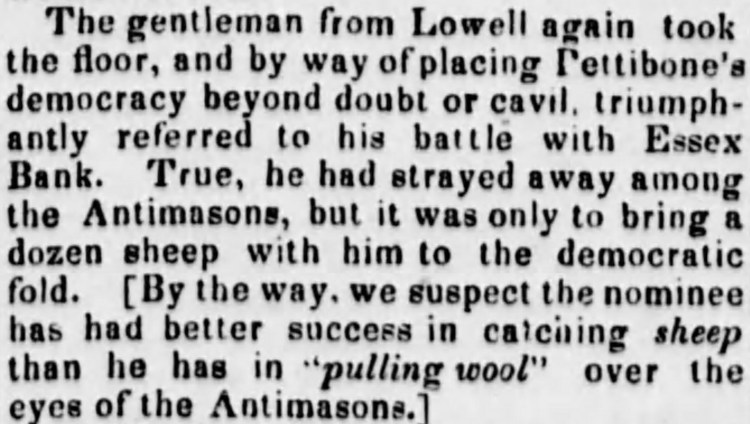
‘to pull the wool over someone’s eyes’, US, 1830s—perhaps from sheep farming: the hair that grows around a sheep’s eyes can get into them and blind the animal.
Read More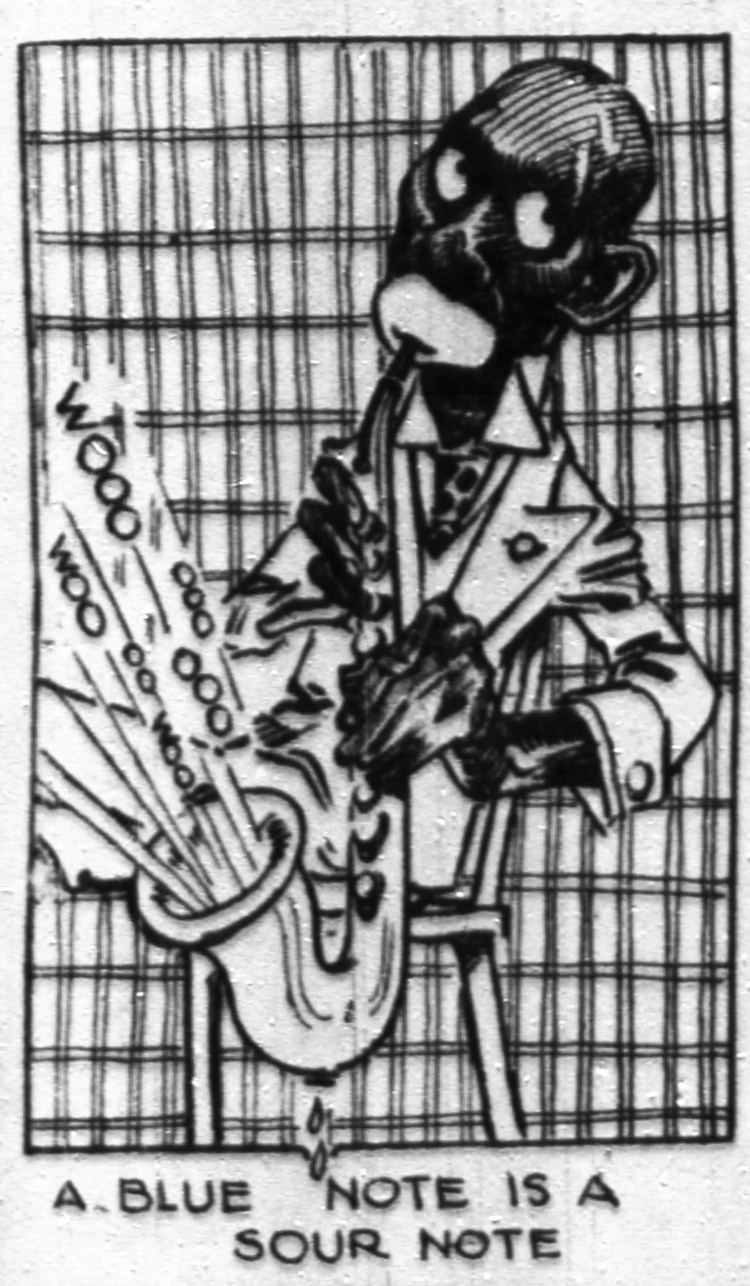
‘blues’—from ‘blue’ (‘sorrowful’) and elliptically from ‘blue devils’ (‘depression’)—originally a metaphorical use of ‘blue’ (‘bruised’), as in ‘black and blue’
Read More
‘pin-up’—US, 1941, in ‘pin-up girl’, denoting a woman being the subject of a picture that a serviceman displays on a locker-door, on a wall, etc.
Read More word histories