the origin of ‘to pull the wool over someone’s eyes’?
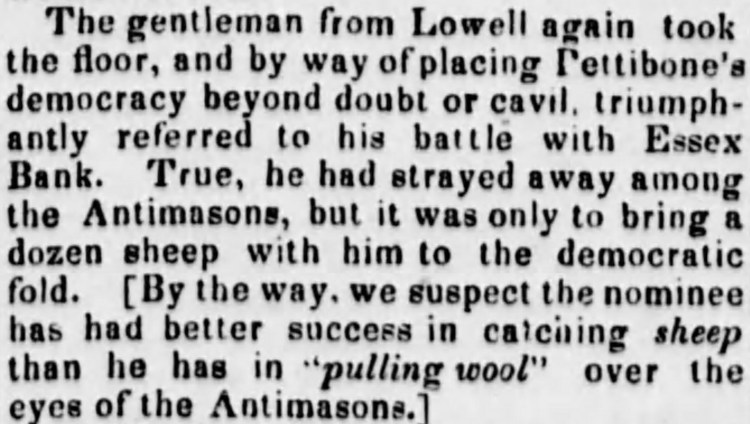
‘to pull the wool over someone’s eyes’, US, 1830s—perhaps from sheep farming: the hair that grows around a sheep’s eyes can get into them and blind the animal.
Read More
“ad fontes!”
‘to pull the wool over someone’s eyes’, US, 1830s—perhaps from sheep farming: the hair that grows around a sheep’s eyes can get into them and blind the animal.
Read More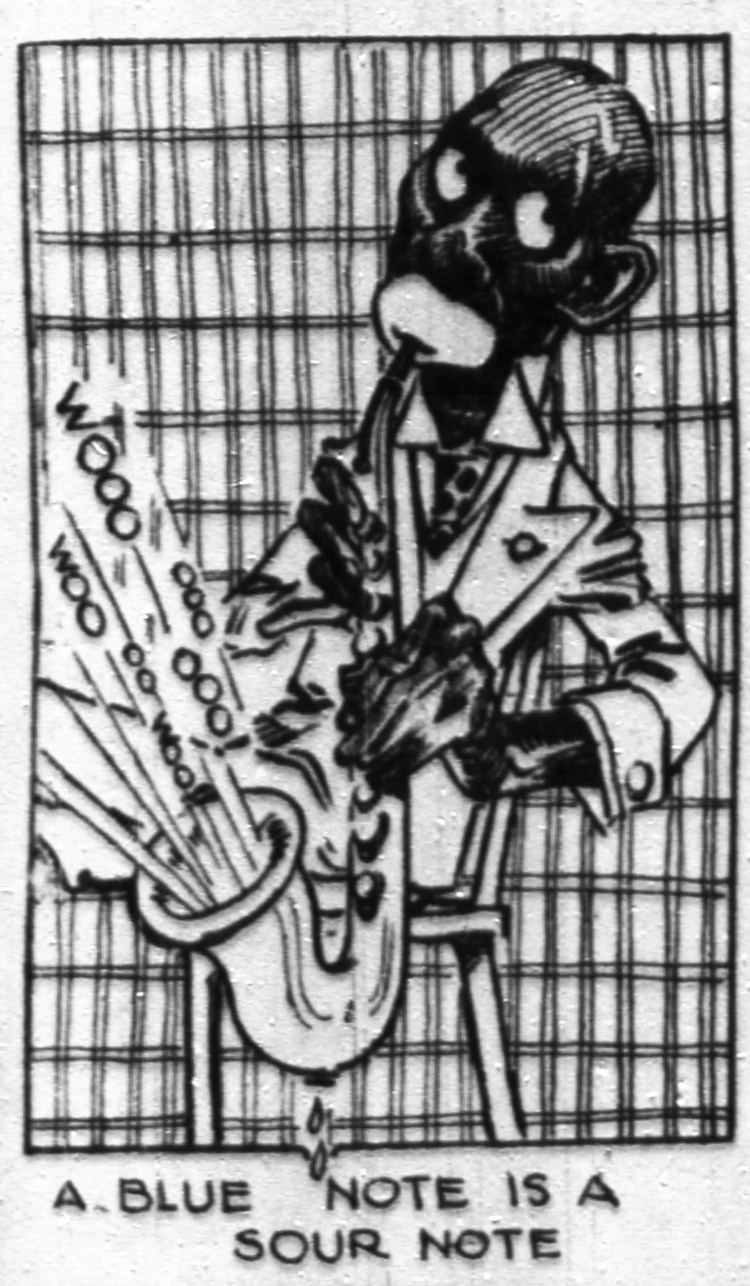
‘blues’—from ‘blue’ (‘sorrowful’) and elliptically from ‘blue devils’ (‘depression’)—originally a metaphorical use of ‘blue’ (‘bruised’), as in ‘black and blue’
Read More
‘pin-up’—US, 1941, in ‘pin-up girl’, denoting a woman being the subject of a picture that a serviceman displays on a locker-door, on a wall, etc.
Read Moreearly 19th century—shortening of ‘to turn the deaf ear and the blind eye’ and variants
Read More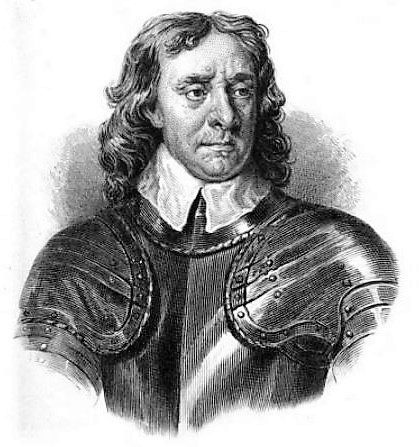
said to have originated in Oliver Cromwell’s instructions to the painter Peter Lely to represent him as he truly was, without concealing his blemishes
Read More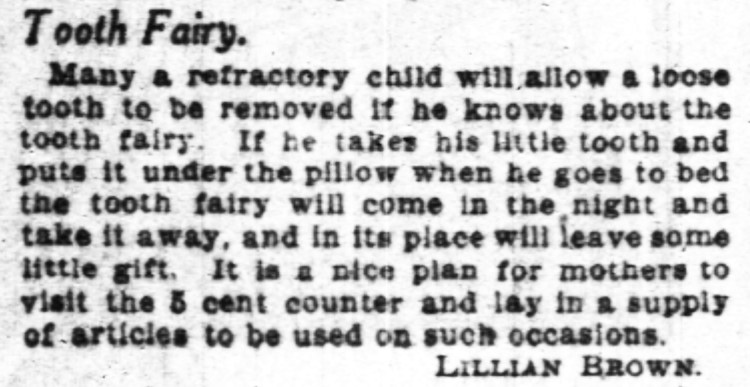
‘tooth fairy’—USA, 1908: a fairy believed by children to take away milk teeth and leave a small sum of money or a small gift under the child’s pillow
Read More1837—used by Sainte-Beuve to describe French poet Vigny’s seclusion in a turret room and preoccupation with inspiration unconnected with practical matters
Read More
‘a nod’s as good as a wink (to a blind horse)’ 18th century—acknowledges that a hint or suggestion has been understood without the need of further elaboration
Read More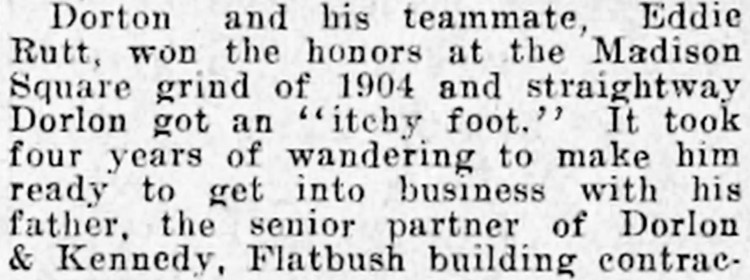
As qualifiers of nouns denoting bodily organs, ‘itchy’ and ‘itching’ denote a restless desire—‘itchy feet’, US, 1900s—‘itching palm’, Shakespeare, circa 1599
Read More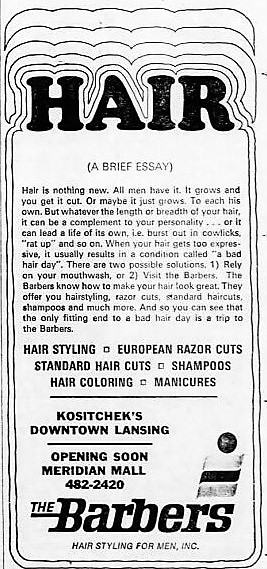
US, 1990s—a day on which one’s hair is unmanageable, hence a day on which everything seems to go wrong, a period of unusual agitation, frustration or uneasiness
Read More word histories