meaning and origin of the phrase ‘jam and Jerusalem’
UK, 20th century—the Women’s Institutes—‘jam’, from jam-making as a typical activity practised by members—‘Jerusalem’, the hymn that members sing at meetings
Read More
“ad fontes!”
UK, 20th century—the Women’s Institutes—‘jam’, from jam-making as a typical activity practised by members—‘Jerusalem’, the hymn that members sing at meetings
Read More
1950—used of a substance causing death or illness, and by extension of something powerful or disastrous—refers to red kelpie sheep dogs, who can ingest anything
Read More
UK, 1993—a person, usually a man, regarded as friendless—often used as a humorous surname following a generic first name such as ‘Billy’
Read More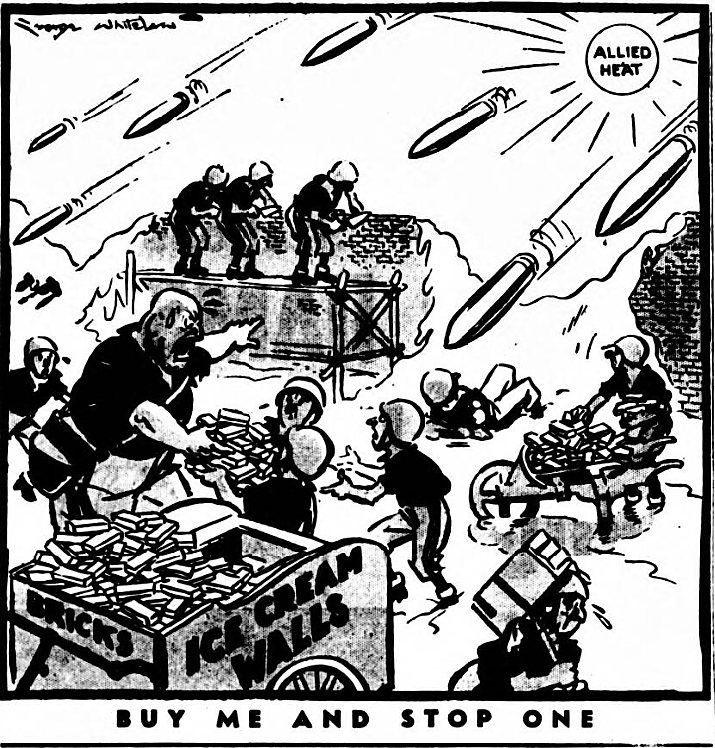
UK, 1970s: frequently scrawled on contraceptive-vending devices in public conveniences—reversal of ‘stop me and buy one’, Wall’s Ice Cream advertising slogan
Read More
UK, 1920s—refers to a person going from one place to another with something to sell—from the slogan on the box-tricycles selling Wall’s Ice Cream
Read More
nourish your husband—1882 in ‘Vanity Fair’ (London)—popularised in 1885 by a cartoon by George du Maurier, published in ‘Punch, or the London Charivari’
Read More
January 1984—from a television advertisement for the hamburger chain Wendy’s, in which an elderly lady demands where the beef is in a huge hamburger bun
Read More
far-fetched excuse for failing to hand in school homework—1st recorded UK 1929 but had already long been in usage at that time—dog eating a sermon UK 1894
Read More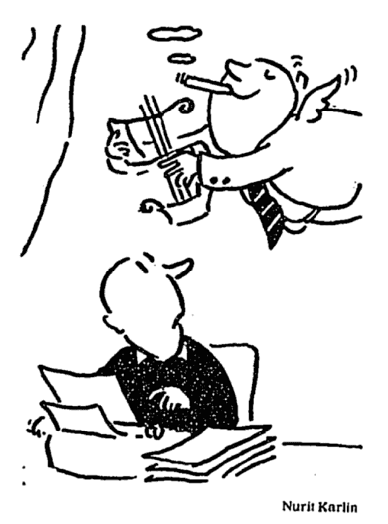
USA, early 1980s—depreciative—suggests values epitomised by the McDonald’s restaurant chain, such as low quality, blandness, standardisation, superficiality
Read More
originally the sky-blue ribbon worn by the Knights-grand-cross of the French order of the Holy Ghost—applied by extension to other first-class distinctions
Read More
