meanings and origin of ‘Judas sheep’ and ‘Judas goat’
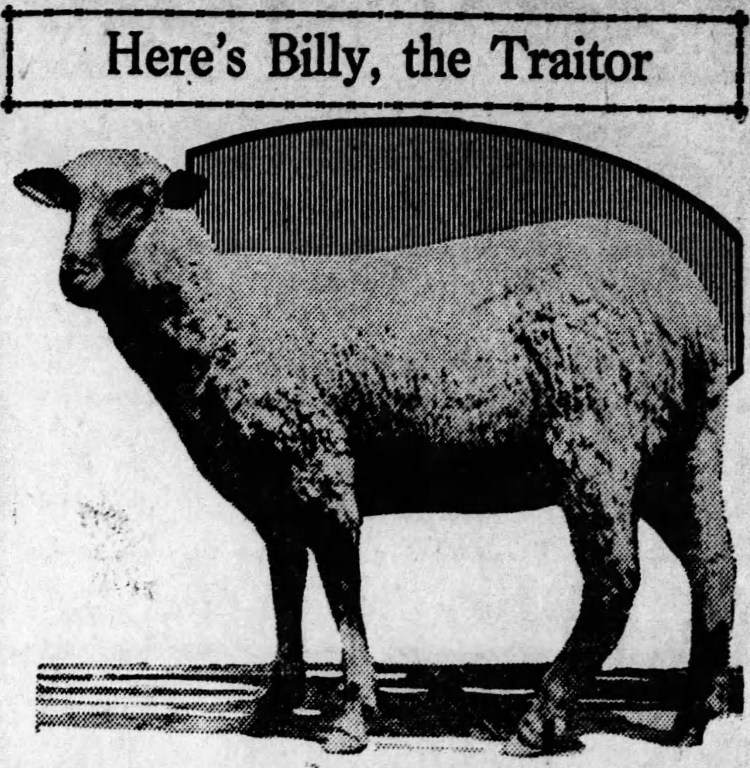
USA, early 20th century—a sheep or a goat used to lead sheep to slaughter—hence any person or thing used as a decoy to lure people into being caught, arrested, etc.
Read More
“ad fontes!”
USA, early 20th century—a sheep or a goat used to lead sheep to slaughter—hence any person or thing used as a decoy to lure people into being caught, arrested, etc.
Read More
1734: a card game in which one player tries to win all the cards of the other—1802: refers to an advantage gained by one side at the expense of the other
Read Morewith allusion to food served up on a slice of toast—1877 ‘to have someone on toast’: to have someone at one’s mercy—1886 ‘to be had on toast’: to be cheated
Read More
UK, 1823—pretended or illusory generosity or hospitality—from the name of a prince in The Arabian Nights, who gave a beggar a feast consisting of empty dishes
Read More
something extra that makes a good thing even better—USA 1889 with ‘frosting’, 1896 with ‘icing’—refers to a sugar preparation for coating and decorating cakes
Read More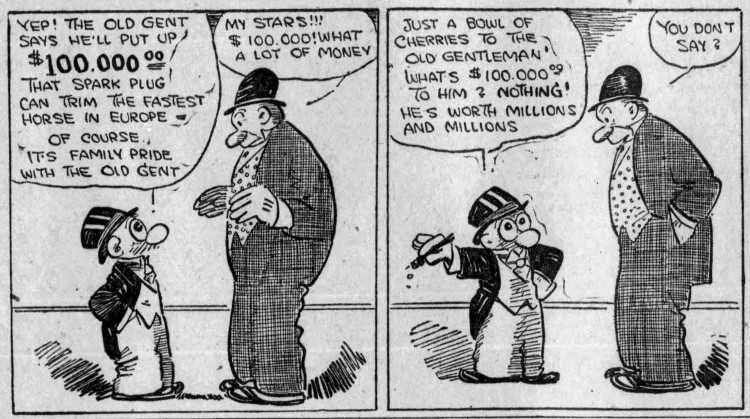
USA 1931—a highly enjoyable situation or experience—from ‘life is just a bowl of cherries’ 1928—popularised by song ‘Life Is Just a Bowl of Cherries’ 1931
Read More
Decided by the Académie française, the erroneous spelling ‘oignon’ (= ‘onion’) has become a symbol of prejudiced people, ignorant of the history of their own language.
Read More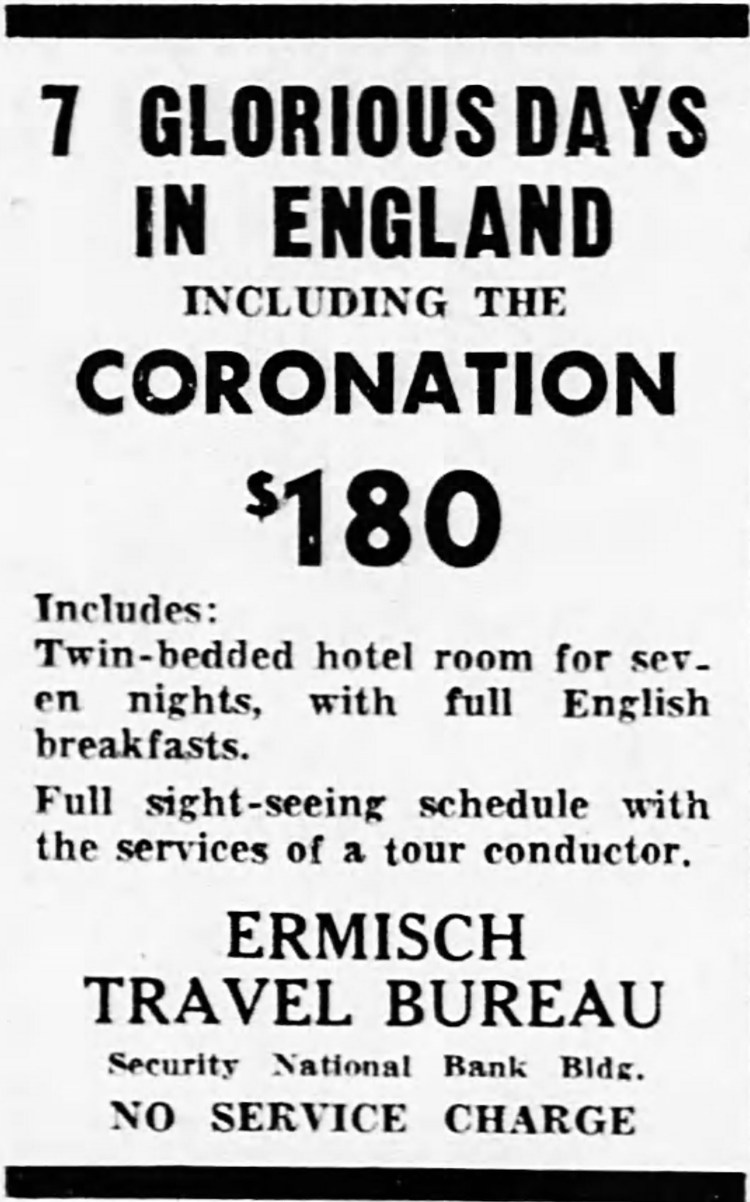
UK, 1933—a substantial breakfast including hot cooked foods such as bacon, sausages, eggs and baked beans
Read More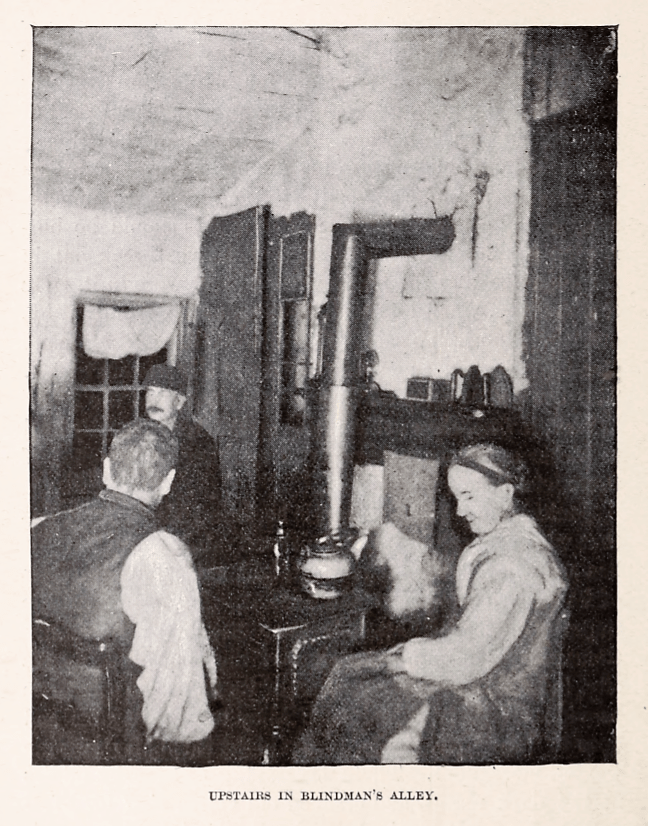
UK, 1849: cheap dingy eatery, as a translation from German—USA, from 1862 onwards: brothel, squalid lodging-house, bar; 1897: cheap dingy eatery
Read More
1850, in The Times of London, apparently as a translation from German—later instances (Minnesota, 1891-98) also associated with German to an extent or another
Read More
