19th century—refer to two handkerchiefs, one used as a clothing accessory, the other for blowing the nose—hence, figuratively ‘for display rather than for use’ and ‘one for display and one for use’
Since the mid-20th century, with reference to garden tea parties, the phrase ‘cucumber sandwiches on the lawn’ and its variants have been used to characterise traditional Englishness.
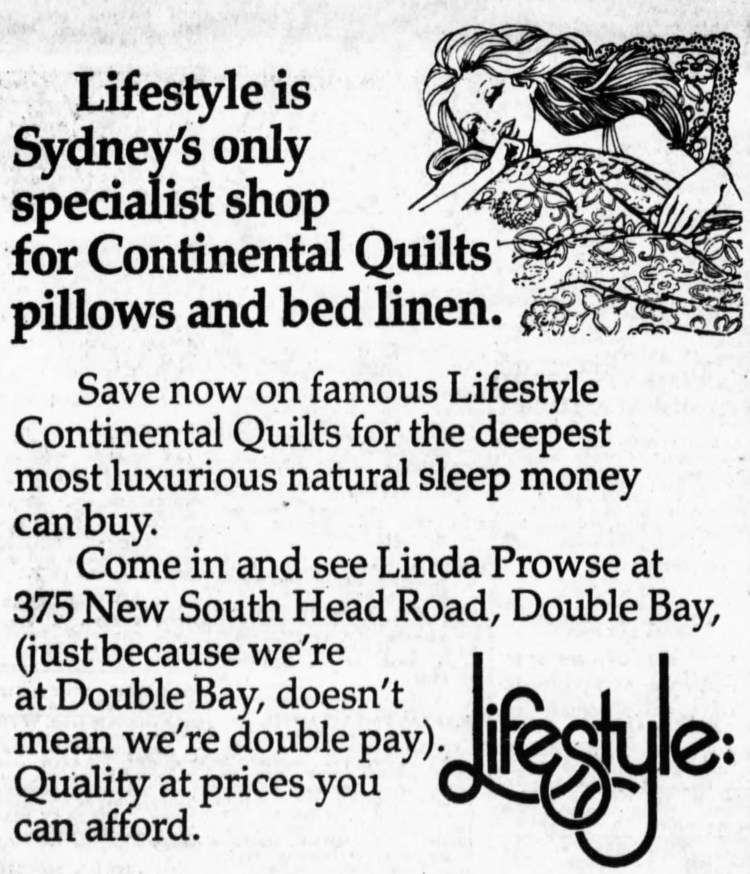
1966—With punning allusion to the high cost of living in that affluent harbourside suburb of Sydney, New South Wales, Double Bay is colloquially referred to as ‘Double Pay’.
UK 1945: ‘as lucky as the pox doctor’s clerk’: very lucky—UK 1954, ‘to look like a pox doctor’s clerk’, Australia 1957, ‘done up like a pox doctor’s clerk’: dressed nattily but in bad taste
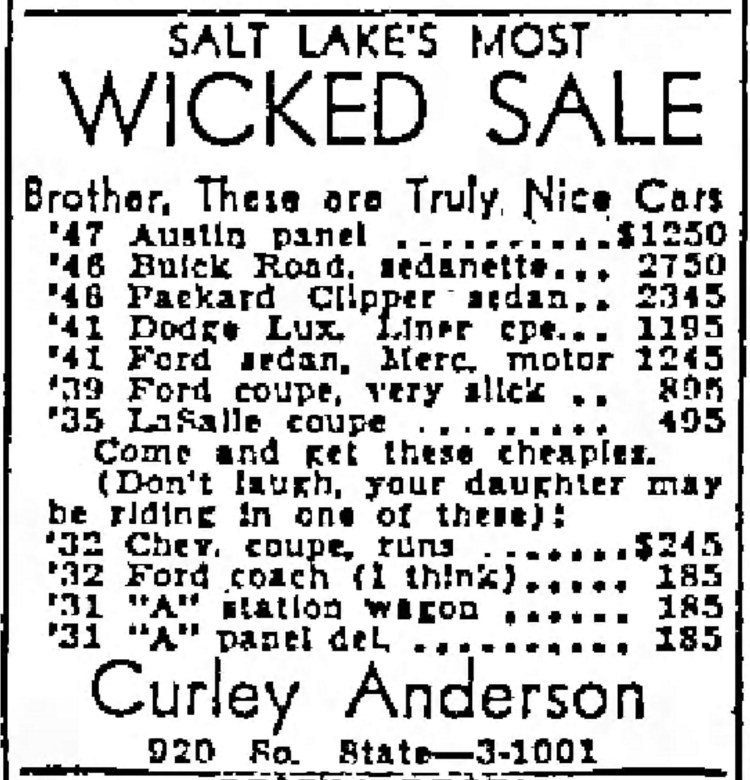
USA, 1938: painted by teenagers on the dilapidated old cars they drove—Australia, 1948: painted on cars, too, but, apparently, not specifically by teenagers—later, on bumper stickers
1951—with pun on the noun ‘camp’ (i.e.: encampment): extremely camp (i.e.: ostentatiously and extravagantly effeminate; deliberately exaggerated and theatrical in style)
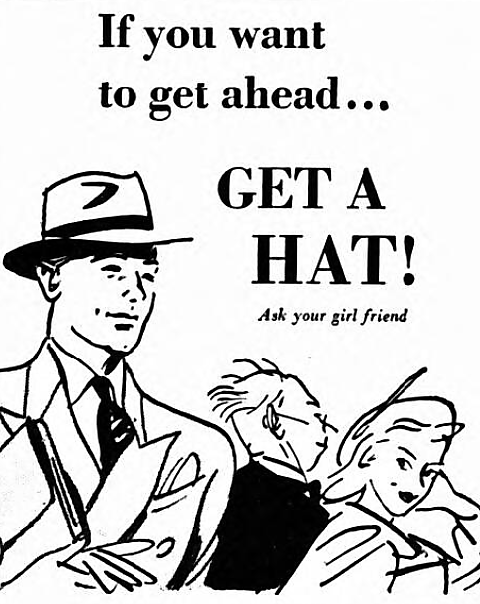
one must wear a hat in order to become successful in one’s life or career—originally the slogan for an advertising campaign organised in 1948 by the British hat-manufacturers when hat-wearing began to decline
a jibe at a man wearing trousers with turn-ups—USA, 1885—from an anecdote about a man who was affecting the manners and eccentricities of upper-class English people


 word histories