UK, 1969—a young man of a working-class subculture, characterised by close-cropped hair, heavy boots and functional clothing, and behaving in an aggressive or violent way—‘bovver’ represents a nonstandard pronunciation of ‘bother’
American English—1902: bare feet (used of Doukhobors, i.e., members of a Christian sect that originated in Russia, many members of which emigrated to Canada in the late 19th and early 20th centuries)—1965: open-toed leather sandals of a simple or functional style (used of young persons)
USA, 1986—ugly spectacles, in particular army-issue spectacles—the image is that those spectacles are so ugly that nobody would want to make a baby with somebody wearing a pair—also ‘BCGs’
Australia, 1972—a person, usually a man, who, in spite of a superficial smartness, is untrustworthy—‘rat’ refers to a deceitful or disloyal man—the image is that, despite the gold tooth, a rat’s basic nature cannot change
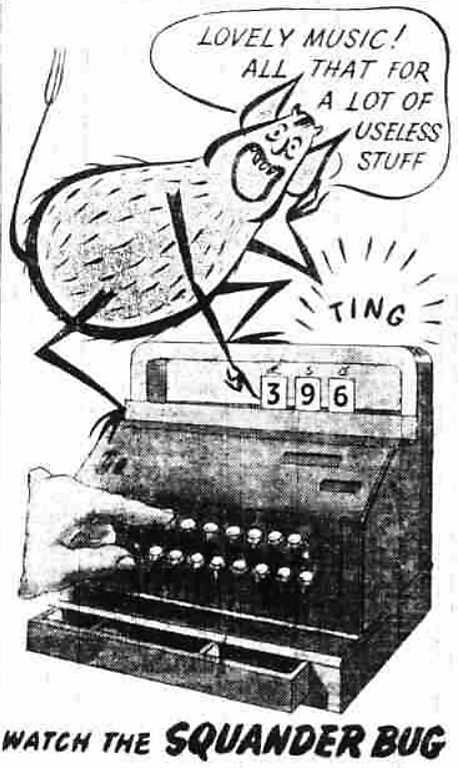
1943—a devilish insect symbolising reckless extravagance and waste—introduced by the National Savings Committee in a government publicity campaign promoting economy—hence: one who is profligate with money or resources
USA, 1901—wonderfully stylish, elegant or fashionable—a blend of ‘swell’ and ‘elegant’—popularised by its use in the song Well, Did You Evah!, interpreted by Bing Crosby and Frank Sinatra in the 1956 film High Society
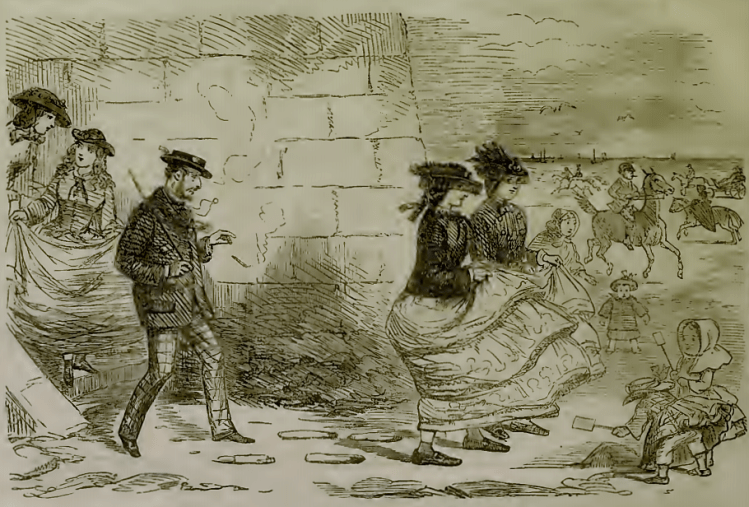
denotes a foot or a boot, especially a big one—1856, in the caption to a cartoon by John Leech, published in Punch (London, England): “A vulgar and disgusting expression, implying that a foot is big enough, and flat enough, to kill Black-beetles”
UK and USA, 1889—used of anything that is speciously high-class in appearance, but is commonplace in reality—‘Queen Anne’ means ‘beautiful’, as opposed to ‘Mary Ann’, meaning ‘vile’; ‘low’; ‘mean’
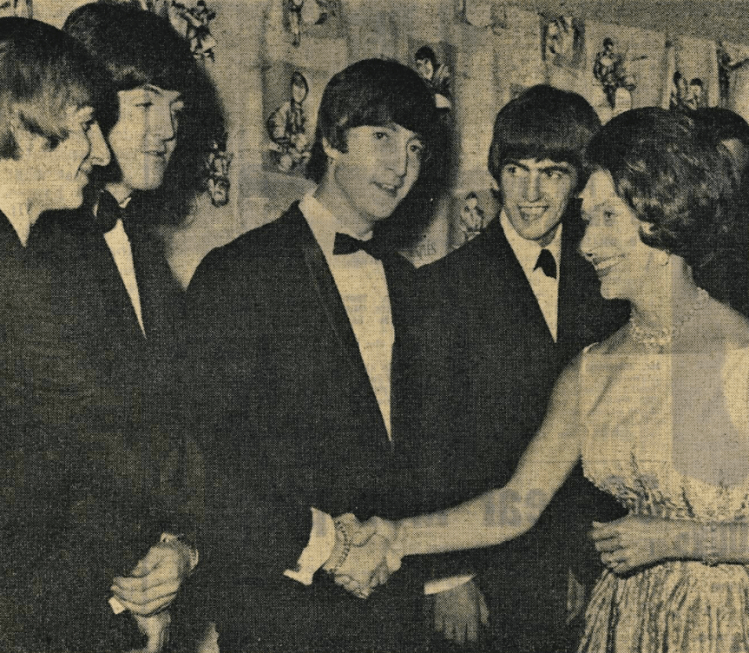
UK—a general term of disapproval, meaning ‘unpleasant’, ‘dirty’, ‘nasty’, ‘ugly’, etc.—shortened form of ‘grotesque’—first recorded in (and popularised by) A Hard Day’s Night (1964), a musical comedy film starring the Beatles
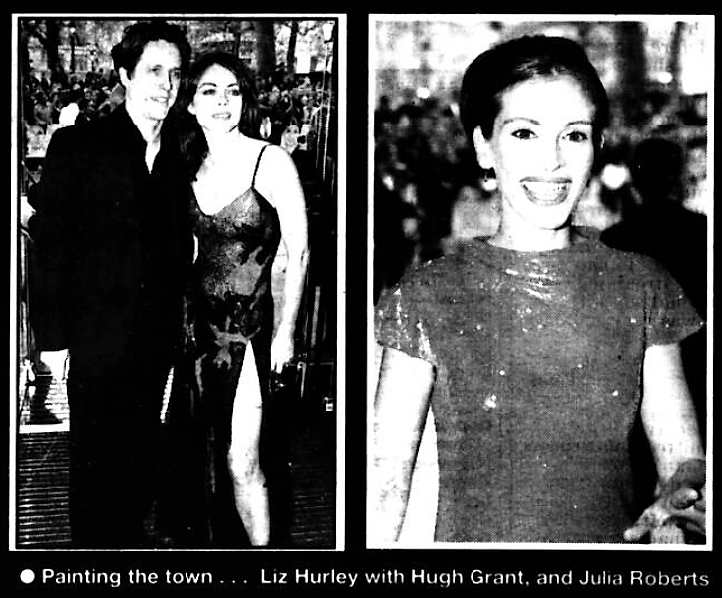
UK, 1975—old-fashioned; out of date—perhaps a humorous alteration of the adjective ‘antique’, perhaps punningly after the adjective ‘wacky’—or perhaps derived from ‘Ann Twack’, rhyming slang for ‘crap’