UK, 2005—used rhetorically to express indifference to, or a lack of concern about, something—originally (2004) a catchline used by Lauren, a teenage girl interpreted by the British comedian Catherine Tate in the British television comedy series The Catherine Tate Show
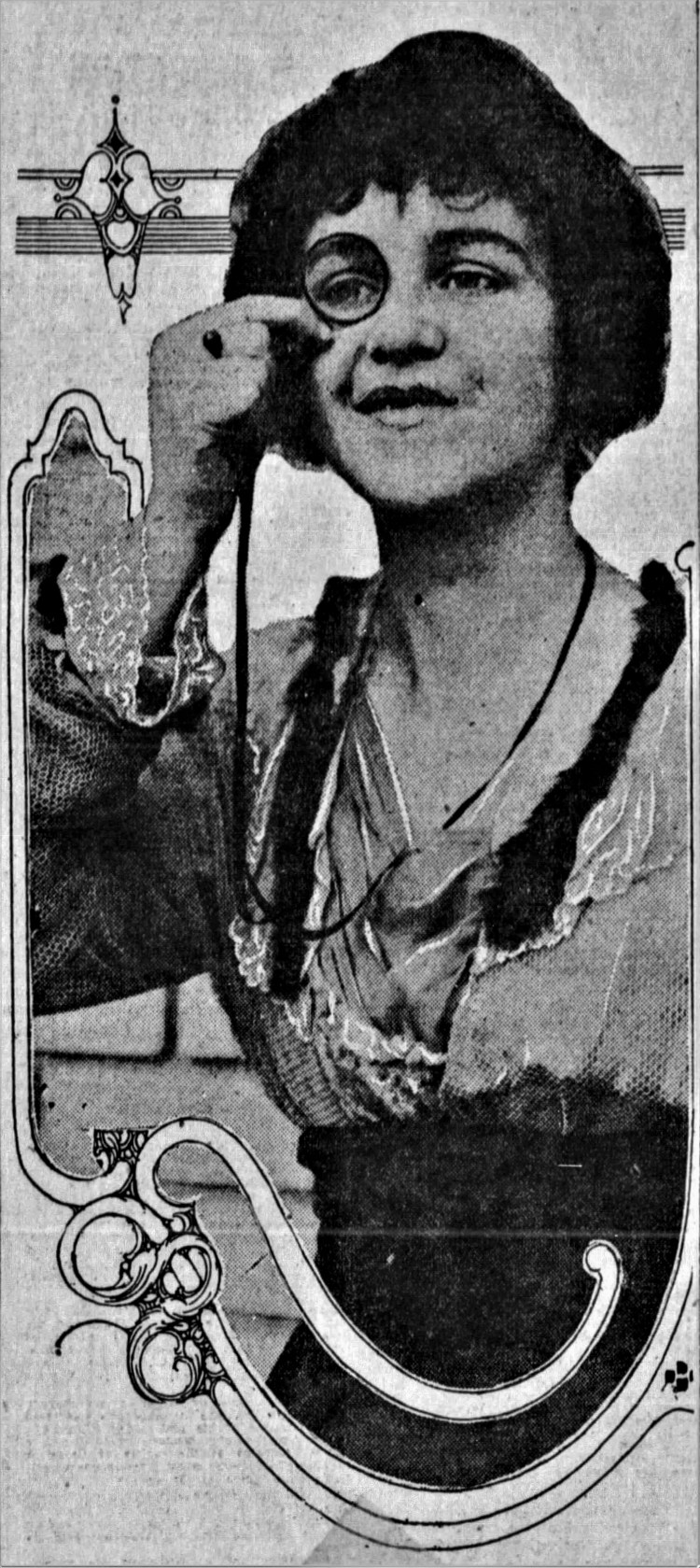
UK, 1897—‘Piccadilly window’: a monocle—hence ‘Piccadilly-windowed’: monocled—alludes to ‘Piccadilly’, the name of a street and of a circus (i.e., a rounded open space) in London
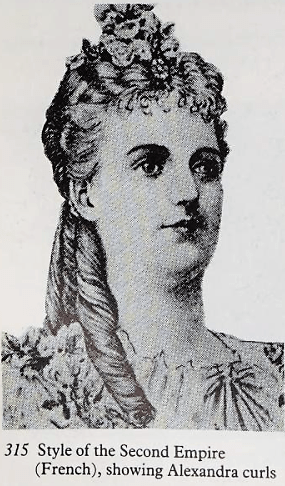
UK, 1869—a limping gait affected by some members of fashionable society in imitation of Alexandra of Denmark, who developed a limp after contracting rheumatic fever in 1867—‘Alexandra’ was used to form compounds designating things popularised by, or associated with, Alexandra of Denmark, consort of Edward VII
American English—a surge of extremely cold air which causes rapid falls in temperature and severe wintry weather in central and eastern areas of the United States and Canada—after ‘Trans-Siberian Express’, the name of a railway running from Moscow to Vladivostok on the Sea of Japan
19th century—refer to two handkerchiefs, one used as a clothing accessory, the other for blowing the nose—hence, figuratively ‘for display rather than for use’ and ‘one for display and one for use’
Since the mid-20th century, with reference to garden tea parties, the phrase ‘cucumber sandwiches on the lawn’ and its variants have been used to characterise traditional Englishness.
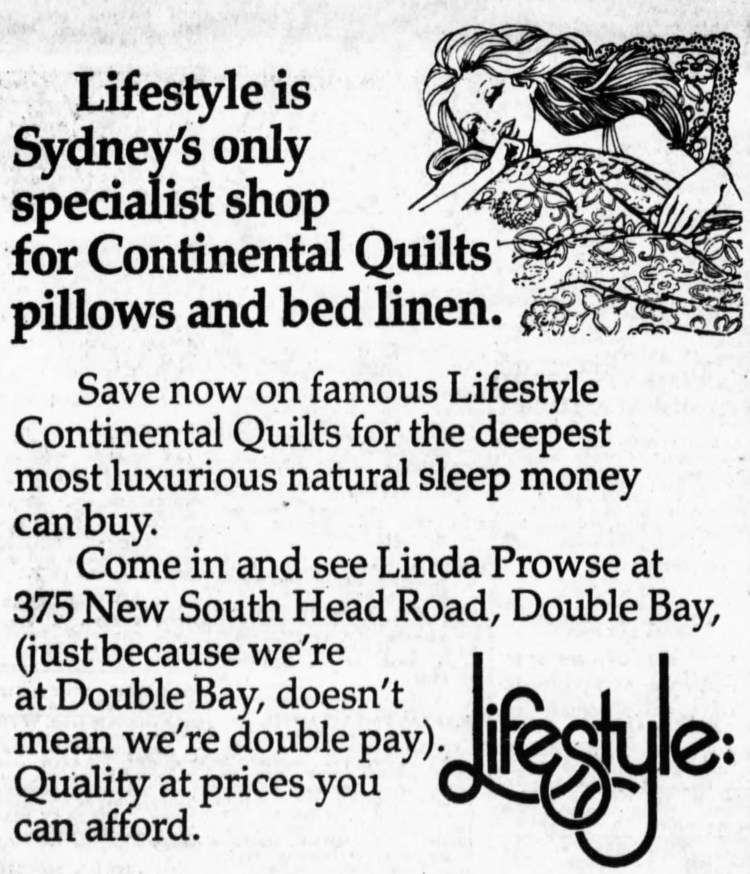
1966—With punning allusion to the high cost of living in that affluent harbourside suburb of Sydney, New South Wales, Double Bay is colloquially referred to as ‘Double Pay’.
UK 1945: ‘as lucky as the pox doctor’s clerk’: very lucky—UK 1954, ‘to look like a pox doctor’s clerk’, Australia 1957, ‘done up like a pox doctor’s clerk’: dressed nattily but in bad taste
USA, 1938: painted by teenagers on the dilapidated old cars they drove—Australia, 1948: painted on cars, too, but, apparently, not specifically by teenagers—later, on bumper stickers