‘as camp as a row of tents’: meaning and early occurrences
1951—with pun on the noun ‘camp’ (i.e.: encampment): extremely camp (i.e.: ostentatiously and extravagantly effeminate; deliberately exaggerated and theatrical in style)
Read More
“ad fontes!”
1951—with pun on the noun ‘camp’ (i.e.: encampment): extremely camp (i.e.: ostentatiously and extravagantly effeminate; deliberately exaggerated and theatrical in style)
Read More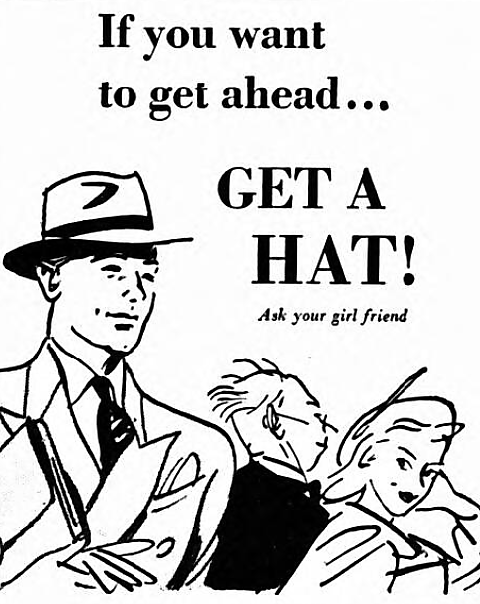
one must wear a hat in order to become successful in one’s life or career—originally the slogan for an advertising campaign organised in 1948 by the British hat-manufacturers when hat-wearing began to decline
Read More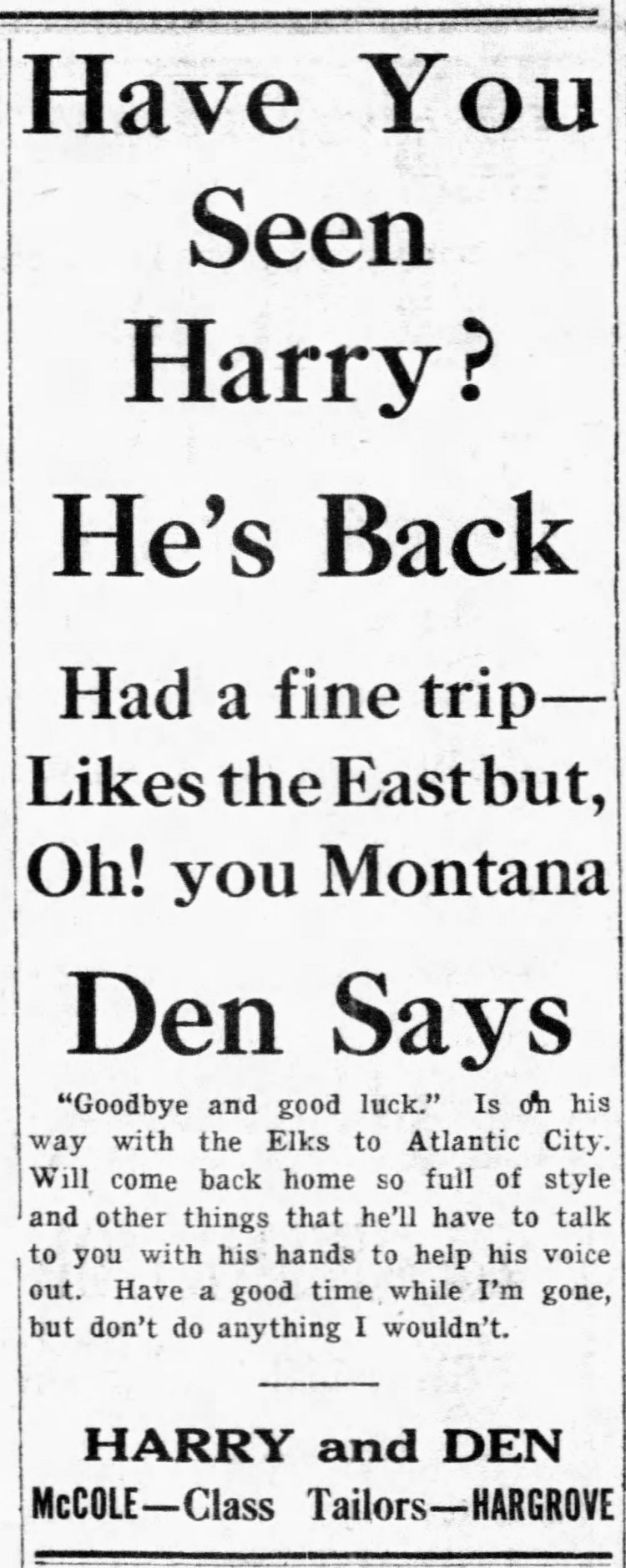
used upon parting, and often jocularly, this phrase means ‘behave yourself’—USA, 1911—had become hackneyed by 1918
Read More
a jibe at a man wearing trousers with turn-ups—USA, 1885—from an anecdote about a man who was affecting the manners and eccentricities of upper-class English people
Read More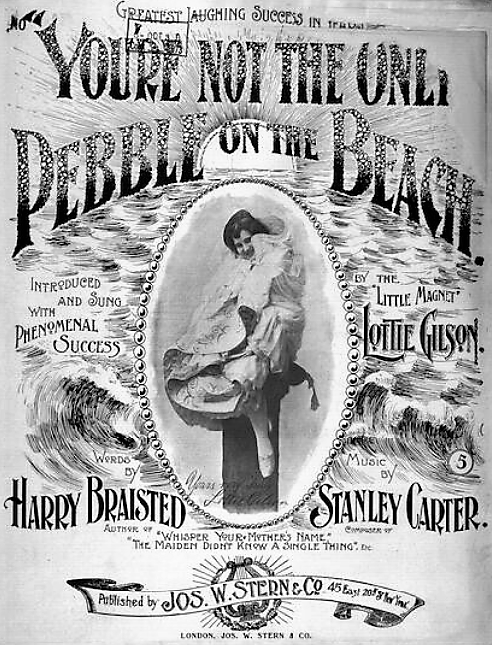
the only person or thing to be considered in a particular situation—USA, 1895—popularised by 1896 song ‘You’re Not the Only Pebble on the Beach’
Read MoreUK, 1808—elaboration on ‘accidents will happen’, meaning accidents will happen despite efforts taken to prevent them
Read More
USA, 1919—‘spare no expense’—also ‘go all out for it’, ‘hand victory on a platter’, ‘allow yourself more of what you want’ (South Africa)
Read More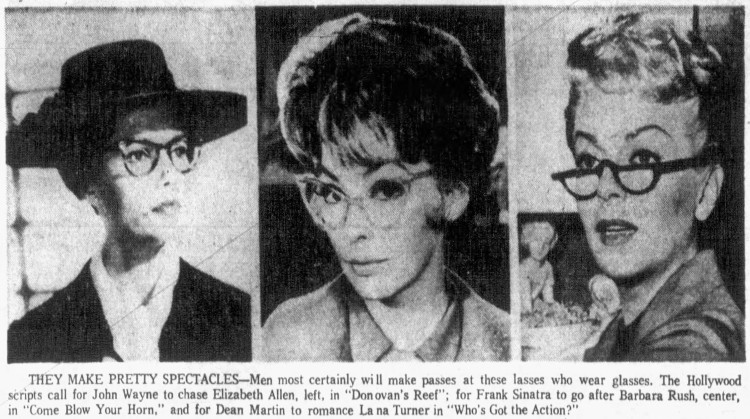
USA—from two-line poem ‘News Item’ (1926), by Dorothy Parker—has given rise to jocular variants, especially playing on ‘glasses’ (eyewear/drinking containers)
Read More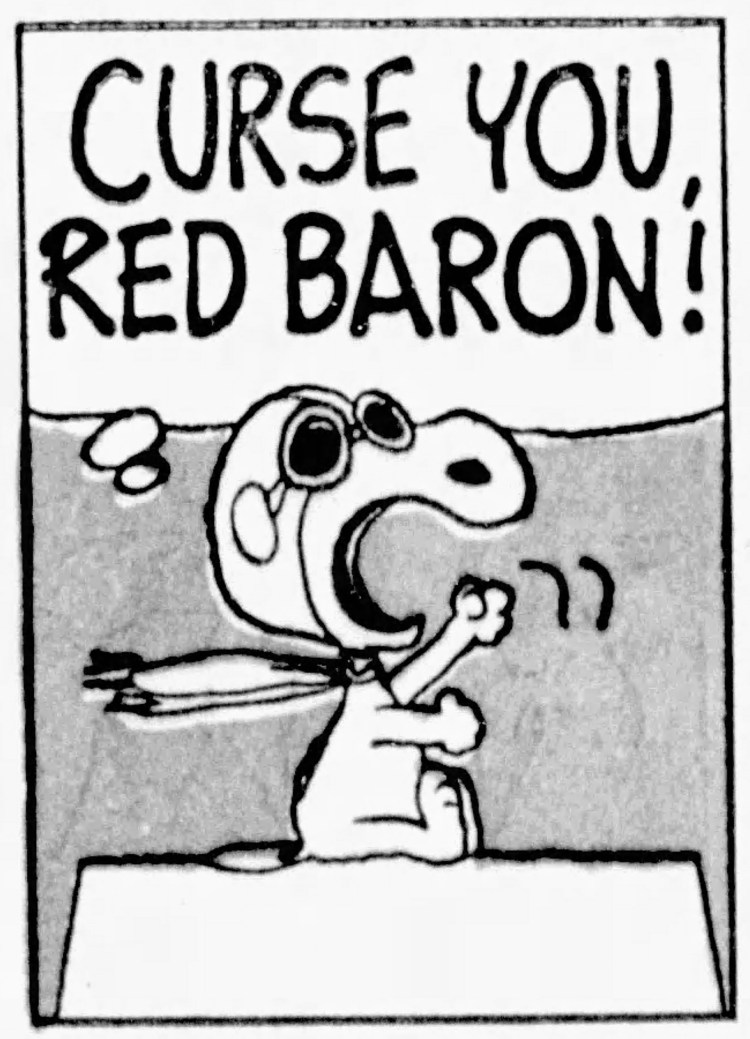
colourful way of railing at someone—USA, 1967—from Schulz’s comic strip Peanuts: Snoopy as a WW1 fighter pilot falls victim to German ace Manfred von Richthofen
Read MoreUK, 1963—ostentatious vulgarity in social life—from the literal sense of a fashionably dressed woman whose appearance covers vulgarity
Read More
