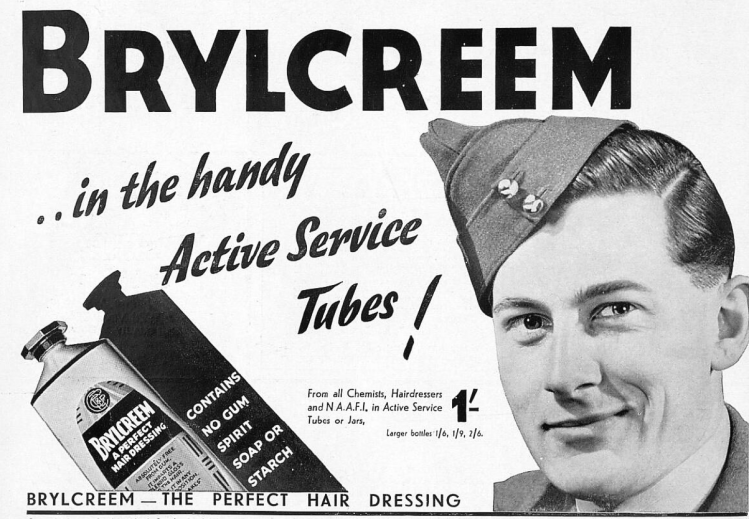
UK, 1941—a fighter pilot in the Royal Air Force; also used by the military land forces of any member of the R.A.F.—originally referred to WWII advertisements for Brylcreem hair cream, featuring a fighter pilot
UK—anything which discourages or inhibits sexual activity—originally (1943, British military slang): the sturdy, practical and unattractive underwear issued to female service personnel
a cheap suit of clothes; a (cut-price) tailoring business—UK, 1920, informal—refers to Harry Mallaby-Deeley (1863-1937), a Member of Parliament who opened a cut-price tailoring business in 1920
UK, 1930—used of a man who pretends to be well-off despite having little money—the image is of a man of limited means who spends what he has on smart clothes, and therefore cannot afford any breakfast
USA, 1959—a very tidy, well-organised person—a blend of the adjective ‘neat’ and of the noun ‘beatnik’—originally occurred chiefly in contrast to ‘beatnik’
UK, 1989—refers to Manchester, in north-western England, as a centre of popular music and club subculture in Britain in the late 1980s and early 1990s—blend of ‘mad’ and ‘Manchester’
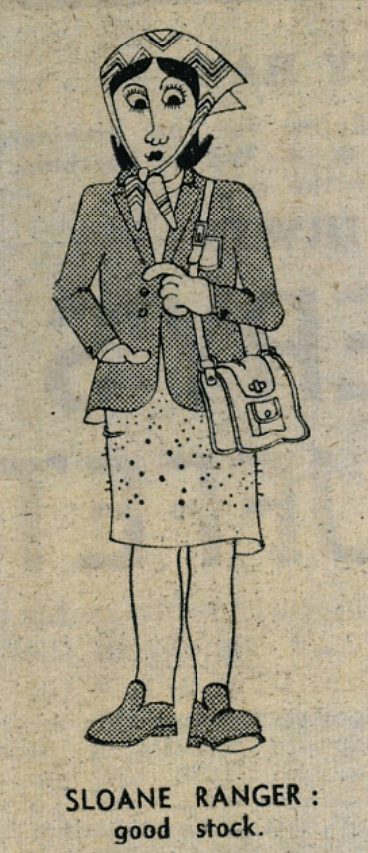
UK, 1975—an upper-class and fashionable, but conventional, young woman in London—blend of ‘Sloane Square’, the name of a square located in an affluent area of London, and ‘Lone Ranger’, the name of a well-known hero of western stories and films