USA, 1954—used of a theory that a political event or development in one country, etc., will lead to its occurrence in others—the image is of a falling domino causing an entire row of upended dominoes to fall
USA, 1992—to reduce staff numbers to levels so low that work can no longer be carried out effectively—portmanteau, coined by the Trends Research Institute, combining the adjective ‘dumb’, meaning ‘stupid’, and the verb ‘downsize’
USA, 1953—value for money, return on an investment—originally used of military spending on nuclear weapons—‘bang’ denotes a nuclear explosion, ‘buck’ denotes a dollar
USA, 1889—when a situation reaches a critical point and one must commit oneself to an action or decision—the image is of having to shove when mere pushing is ineffective
UK, 1824—thoroughly or perfectly right—‘trivet’: a metal tripod for a cooking pot or kettle to stand on—the phrase refers to a trivet’s always standing firm on its three feet
USA, 1857—an exclamation expressing surprise or dismay—the motivation for the choice of the female forename ‘Betsy’ (variant of ‘Betty’, pet form of ‘Elizabeth’) is unknown
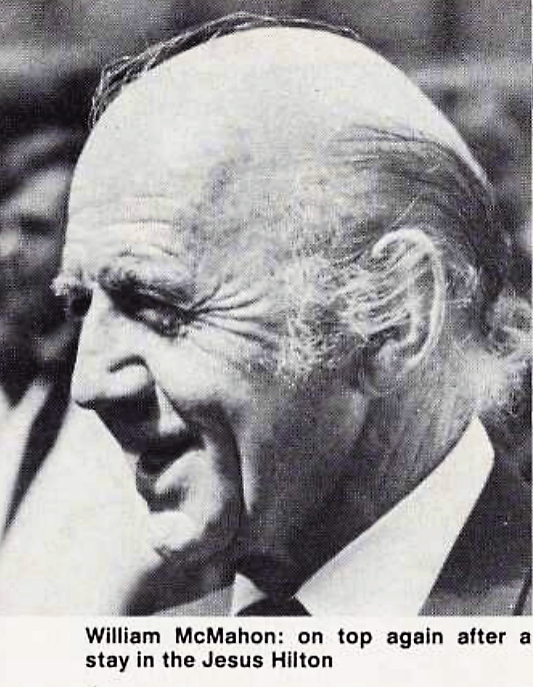
Australia—familiar name of St Vincent’s Private Hospital, Sydney—‘Jesus’ refers to the fact that the hospital is operated by a religious organisation—‘Hilton’ alludes to the hospital’s plushness
UK, 1844—extreme meanness never made anyone better off—compare Book of Proverbs, 11:24: “There is one who scatters, yet increases more; and there is one who withholds more than is right, but it leads to poverty.”
USA, 1872—the first clause refers to accurate calculations, the second punningly refers to the manipulation of those calculations—based on the figure called chiasmus, i.e., in which the order of words in the first clause is inverted in the second

 word histories