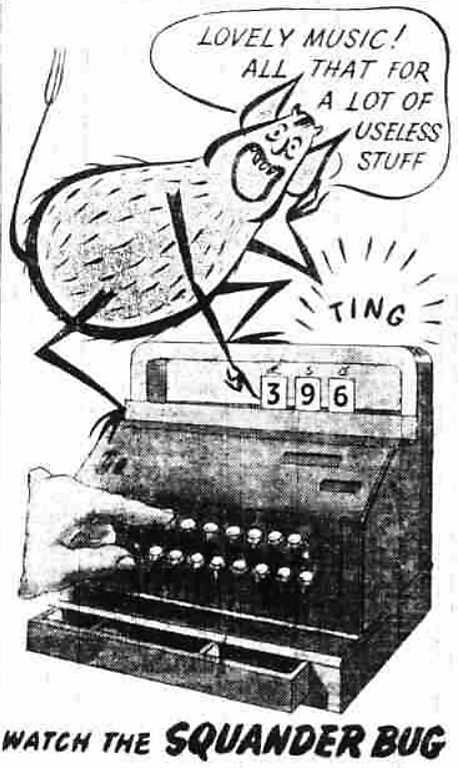
1943—a devilish insect symbolising reckless extravagance and waste—introduced by the National Savings Committee in a government publicity campaign promoting economy—hence: one who is profligate with money or resources
USA, 1843—With reference to a dog used for hunting game, this phrase is used to express the opinion that a particular plan or approach will not succeed.
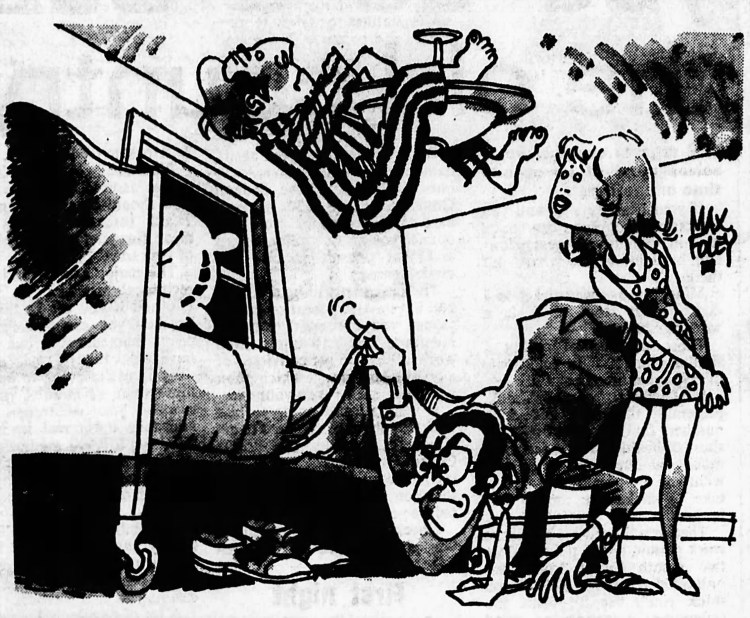
has been used to denote evidence of a de facto relationship affecting a woman’s eligibility for Social-Security benefits—refers to past practices of field officers inspecting homes and bedrooms
an artist or writer who produces what is considered to be inferior work simply to earn a living—loan translation from German ‘Brotkünstler’—first used in 1827 by Scottish historian and political philosopher Thomas Carlyle in a text about German literature
USA, 1856—to ask someone young, ill-equipped or inexperienced to do difficult or complicated work—this phrase usually occurs in negative contexts, especially as ‘never send a boy to do a man’s work’
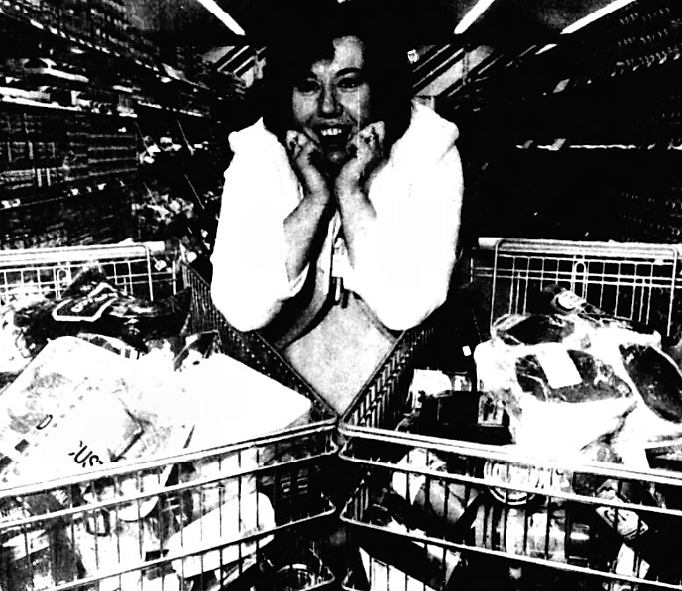
UK—1977: an event in which the winner of a game or competition is entitled to a set period of free shopping in a supermarket or other store, the object being to place as many products as possible in a shopping trolley during that time—1994: a quick or rushed shopping trip around a supermarket or other store
UK, 1806—very rapidly and thoroughly—refers to a dose of aperient salts—has come to be also used in the extended form ‘like a dose of salts through + noun’
UK, 1929—‘glad and sorry’ denotes hire purchase, i.e., a system by which one pays for a thing in regular instalments while having the use of it—the image is that the hire-purchaser is at the same time glad to have the use of the merchandise and sorry to still have to pay for it
used attributively of something that may not have an end for years, if ever—especially used of a loan that the borrower refuses to pay back, and of hire purchase—refers to the line “It may be for years, and it may be for ever” in the song ‘Kathleen Mavourneen’ (1835)

 word histories