Primary Menu
  • home
  • alphabetical index
  • about me
  • contact
  • donate
word histories

word histories

“ad fontes!”

Tag: Christianity

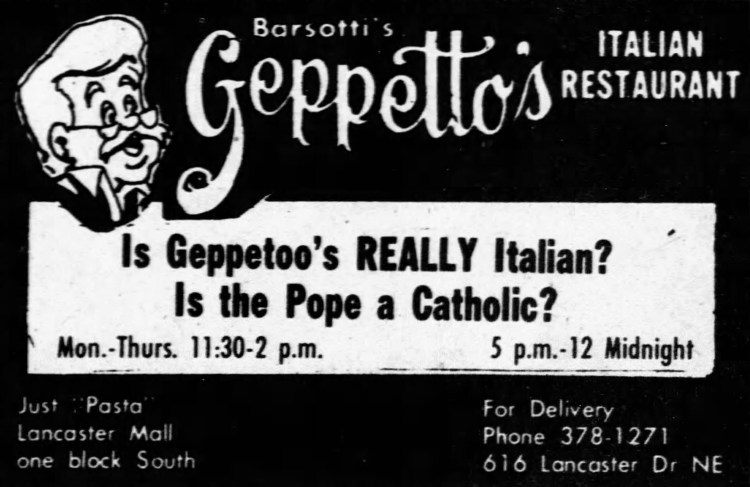
notes on the phrase ‘Is the Pope (a) Catholic?’

27th Dec 2019.Reading time 16 minutes.

USA, 1951—rhetorical question used ironically as a response to a question or statement felt to be blatantly obvious

Read More

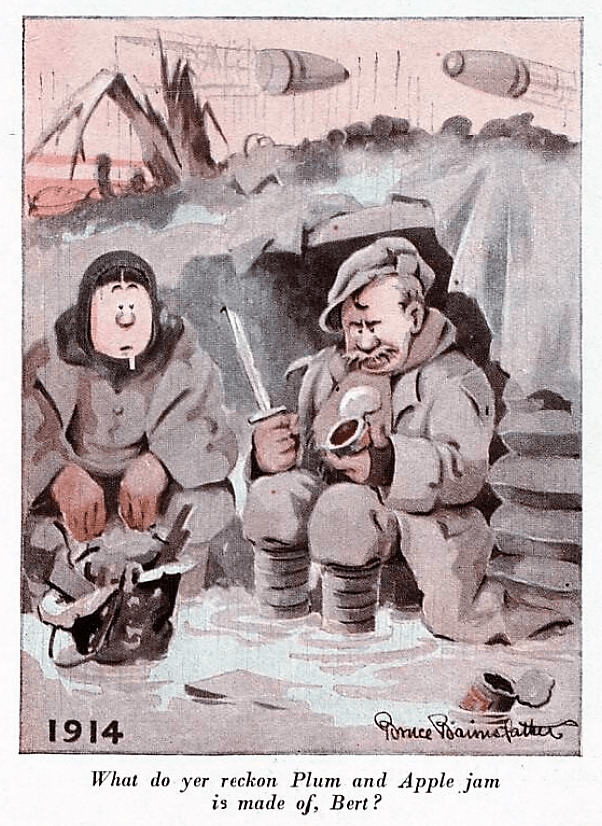
history of the phrase ‘c’est la guerre’ (‘it can’t be helped’)

5th Dec 2019.Reading time 17 minutes.

UK and USA, World War One—borrowing from French, literally ‘it is war’—expresses acceptance of, or resignation at, the situation engendered by war

Read More
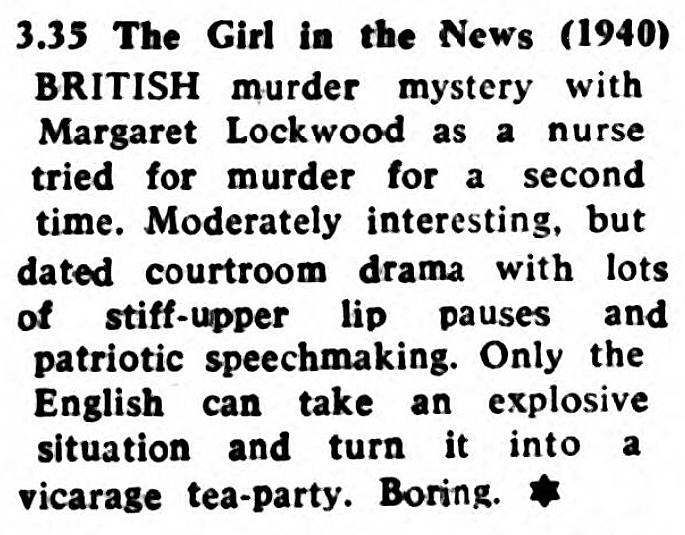
meanings of the British phrase ‘vicarage tea-party’

9th Nov 2019.Reading time 10 minutes.

20th century—denotes something mild, innocuous or uneventful—but those notions have been associated with vicarage tea-parties since the 19th century

Read More

notes on the British phrase ‘if wet, in the vicarage’

7th Nov 2019.Reading time 7 minutes.

20th century—originally a precautionary stipulation in announcements of events such as church fêtes—hence used humorously of any forthcoming event

Read More
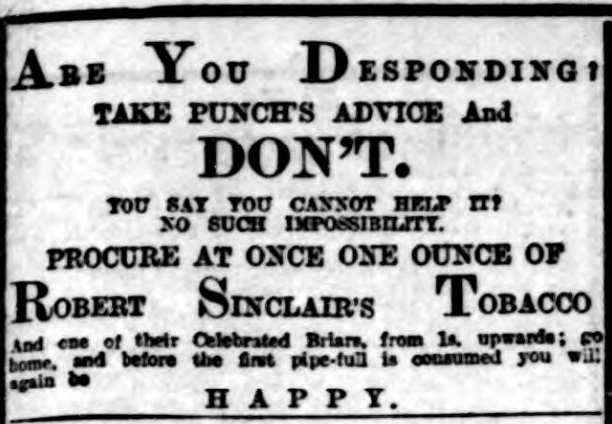
meaning and origin of the phrase ‘Punch’s advice—don’t’

5th Nov 2019.Reading time 14 minutes.

from “advice to persons about to marry—don’t”, published in ‘Punch’s Almanack for 1845’ (24 December 1844) by the magazine ‘Punch, or the London Charivari’

Read More

meaning and history of ‘to write to The Times about it’

21st Oct 2019.Reading time 9 minutes.

UK, 1851—is or jokingly denotes a threat made by a member of the public to write to the London newspaper The Times to express outrage about a particular issue

Read More

history of the phrase ‘(all) dressed (up) like a Christmas tree’

7th Oct 2019.Reading time 19 minutes.

Britain and USA, early 1900s: over-elaborately dressed—since the mid-19th century, ‘like a Christmas tree’: overelaborateness, heterogeneousness, artificiality

Read More

the birth of an American phrase: ‘Where’s the beef?’

6th Oct 2019.Reading time 12 minutes.

January 1984—from a television advertisement for the hamburger chain Wendy’s, in which an elderly lady demands where the beef is in a huge hamburger bun

Read More

early history of the phrase ‘the dog ate my homework’

2nd Oct 2019.Reading time 11 minutes.

far-fetched excuse for failing to hand in school homework—1st recorded UK 1929 but had already long been in usage at that time—dog eating a sermon UK 1894

Read More

meanings of the Irish-English phrase ‘like snuff at a wake’

26th Sep 2019.Reading time 15 minutes.

1844—various senses, especially ‘hither and thither’ and ‘lavishly’—from the custom of sharing snuff during a vigil held beside the body of someone who has died

Read More

Posts navigation

Older Posts
Newer posts
Creative Commons License
All posts by word histories are licensed under a Creative Commons Attribution-NonCommercial-NoDerivatives 4.0 International Licence.

Search this blog

Enter your email address to follow this blog and receive notifications of new posts by email.

Join 886 other subscribers.
Follow word histories on WordPress.com

Categories

arts Australia & New Zealand etymology French/English linguistics literature media music public affairs religion symbolisms uncategorised United Kingdom & Ireland USA & Canada

Main Tags

animals Australia Christianity dictionaries drinks economics food human body Ireland judicial Latin military newspapers & magazines phrases politics slang sports & games theatre United Kingdom USA

links

  • Académie française
  • Australian newspapers, magazines and journals, books, and other formats
  • British and Irish newspaper archive
  • Chronicling America: Historic American Newspapers
  • CNRTL (Centre national de ressources textuelles et lexicales)
  • Collins Dictionary
  • Dictionaries of the Scots Language / Dictionars o the Scots Leid
  • Dictionary of South African English
  • English, French and Latin dictionaries
  • Gallica (bibliothèque numérique de la Bibliothèque nationale de France)
  • Irish newspaper archive
  • Lexilogos (a comprehensive set of resources for the study of the languages of the world)
  • Llyfrgell Genedlaethol Cymru / The National Library of Wales
  • Merriam-Webster Dictionary
  • New-Zealand and Pacific newspapers, magazines and journals, books, and other formats
  • Newspaper archive
  • The Australian National Dictionary
  • U.S. newspaper archive

  • Subscribe Subscribed
    • word histories
    • Join 886 other subscribers.
    • Already have a WordPress.com account? Log in now.
    • word histories
    • Subscribe Subscribed
    • Sign up
    • Log in
    • Report this content
    • View site in Reader
    • Manage subscriptions
    • Collapse this bar
This website uses cookies. By continuing, you agree to their use. Learn more, including how we use cookies and how you can change your settings.
 

Loading Comments...