meanings of the British phrase ‘vicarage tea-party’
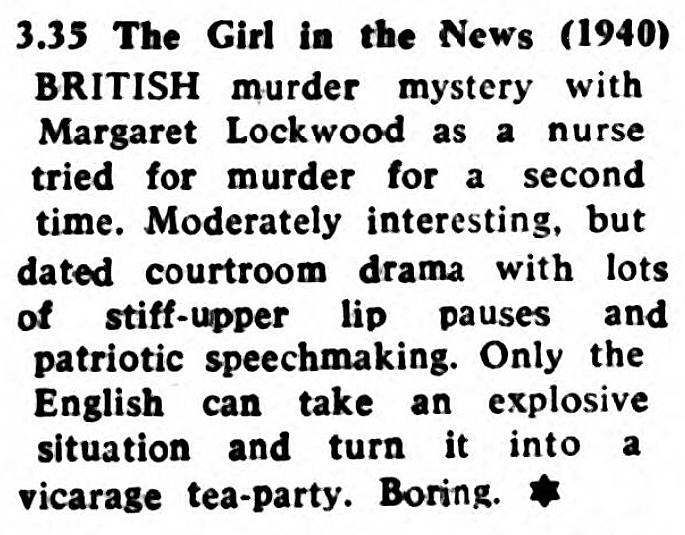
20th century—denotes something mild, innocuous or uneventful—but those notions have been associated with vicarage tea-parties since the 19th century
Read More
“ad fontes!”
20th century—denotes something mild, innocuous or uneventful—but those notions have been associated with vicarage tea-parties since the 19th century
Read More
20th century—originally a precautionary stipulation in announcements of events such as church fêtes—hence used humorously of any forthcoming event
Read More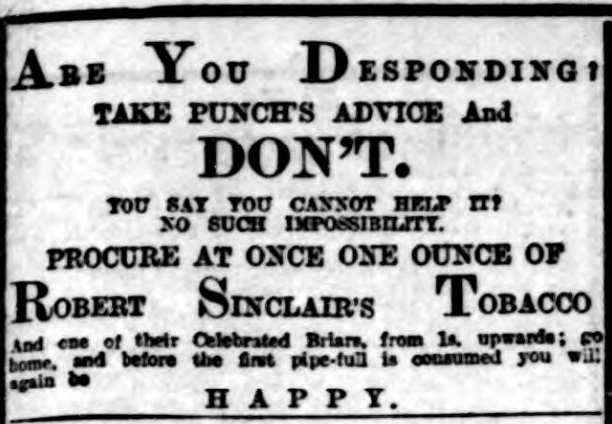
from “advice to persons about to marry—don’t”, published in ‘Punch’s Almanack for 1845’ (24 December 1844) by the magazine ‘Punch, or the London Charivari’
Read More
UK, 1851—is or jokingly denotes a threat made by a member of the public to write to the London newspaper The Times to express outrage about a particular issue
Read More
Britain and USA, early 1900s: over-elaborately dressed—since the mid-19th century, ‘like a Christmas tree’: overelaborateness, heterogeneousness, artificiality
Read More
January 1984—from a television advertisement for the hamburger chain Wendy’s, in which an elderly lady demands where the beef is in a huge hamburger bun
Read More
far-fetched excuse for failing to hand in school homework—1st recorded UK 1929 but had already long been in usage at that time—dog eating a sermon UK 1894
Read More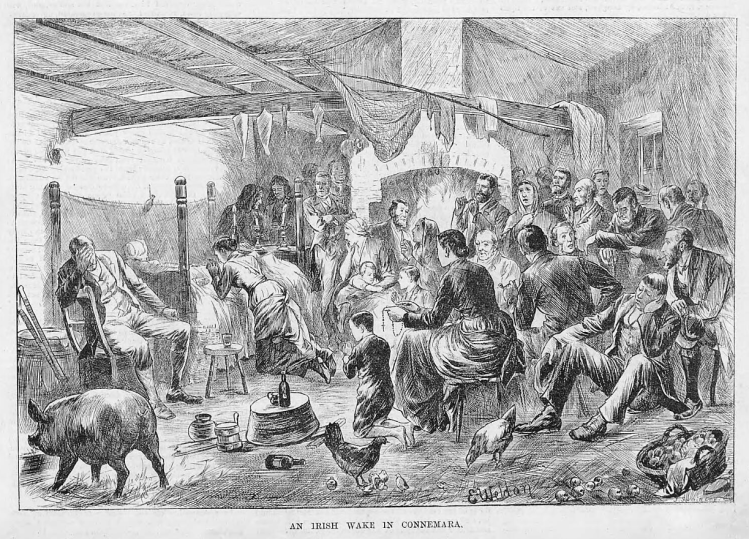
1844—various senses, especially ‘hither and thither’ and ‘lavishly’—from the custom of sharing snuff during a vigil held beside the body of someone who has died
Read More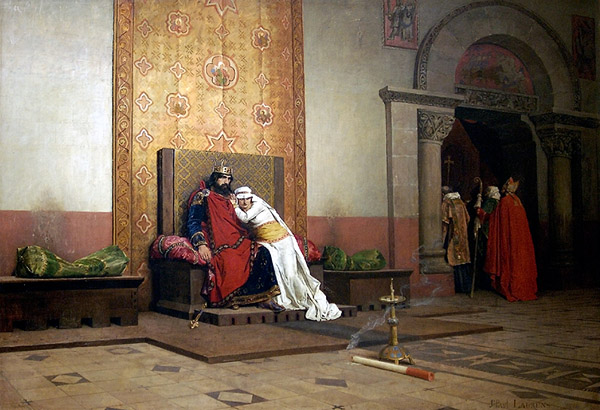
14th century—a form of excommunication from the Catholic Church—by extension any process of condemnation carried out thoroughly
Read More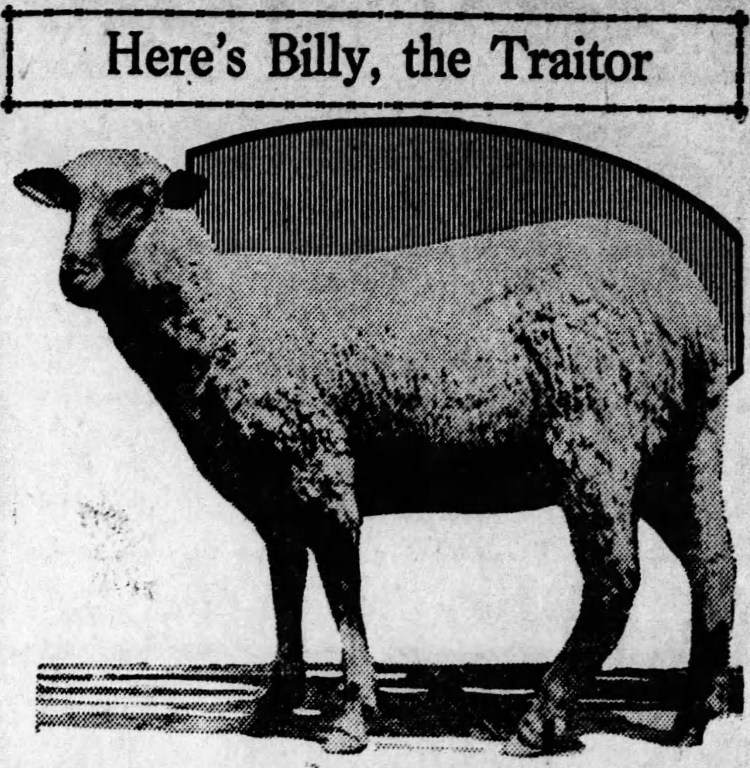
USA, early 20th century—a sheep or a goat used to lead sheep to slaughter—hence any person or thing used as a decoy to lure people into being caught, arrested, etc.
Read More
