‘anything for a quiet wife’ | ‘anything for a quiet life’
‘anything for a quiet wife’ (1875)—jocular variant of ‘anything for a quiet life’ (ca. 1620), which expresses concession or resigned agreement, to ensure one is not disturbed
Read More
“ad fontes!”
‘anything for a quiet wife’ (1875)—jocular variant of ‘anything for a quiet life’ (ca. 1620), which expresses concession or resigned agreement, to ensure one is not disturbed
Read Moremeans that, in a specific situation, a person will be blamed or considered wrong no matter what he or she does—USA, 1817—originally used in Christian contexts
Read MoreUK, 1918—popular among British soldiers during WWI—satirises “the squire has been foully murdered”, a topos from late-Victorian and Edwardian melodrama
Read MoreUK, 1907—the ideal of an unmarried woman—the phrase was especially used when offering to an unmarried woman the last cake or piece of bread from a plate
Read Moremeaning: ‘for a very long time’—UK, 1944—with a pun on ‘Pilate’, originated in the British Royal Air Force during the Second World War
Read More
extremely slow—USA, 1874—in Christian theology, the Second Coming of Christ is the prophesied return of Christ to Earth at the Last Judgement
Read More
USA, 1885—humorous alteration of ‘many are called (but) few are chosen’, which refers to The Parable of the Workers in the Vineyard (gospel of Matthew, 20:1-16)
Read More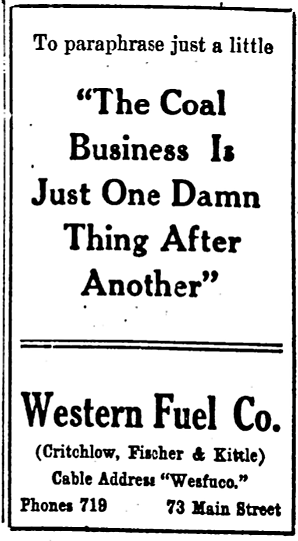
USA, 1909—first with grammatical subject ‘life’, meaning ‘life consists of a succession of unpleasant or unlucky events’—then with other grammatical subjects
Read Morevery rude way of expressing profound contempt—first recorded in The Killing of Abel, one of the 15th-century mystery plays known as the Wakefield, or Towneley, plays
Read More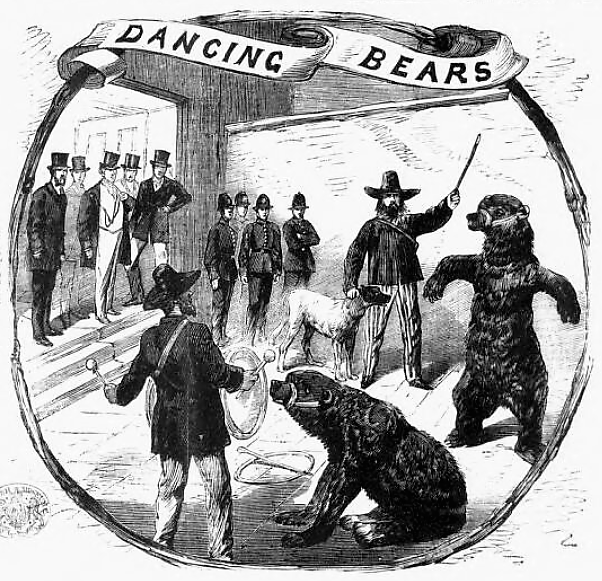
16th century—exclamation of annoyance at the reappearance of someone or something—from bear-leaders’ regular visits or from story of Elisha and the bears
Read More word histories