‘to recharge one’s batteries’: meaning and origin
USA, 1890—to regain one’s energy by resting after a period of exertion—the image is of restoring an electric charge to a battery
Read More
“ad fontes!”
USA, 1890—to regain one’s energy by resting after a period of exertion—the image is of restoring an electric charge to a battery
Read More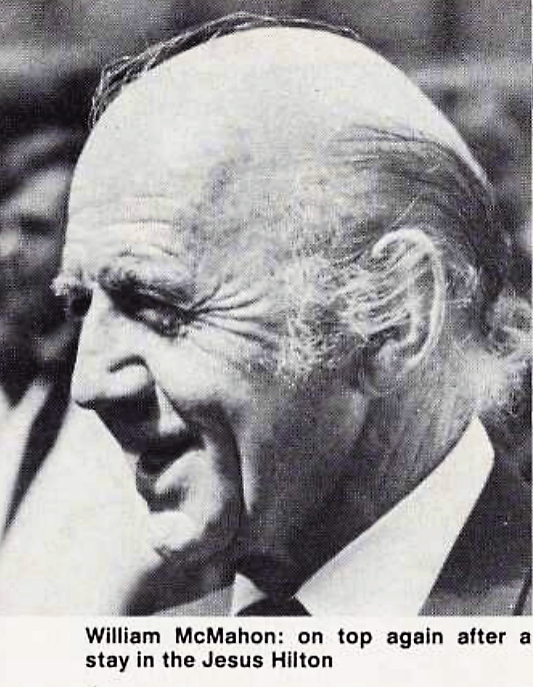
Australia—familiar name of St Vincent’s Private Hospital, Sydney—‘Jesus’ refers to the fact that the hospital is operated by a religious organisation—‘Hilton’ alludes to the hospital’s plushness
Read MoreUSA, 1976—the outcome of a situation cannot be assumed—may allude to the stereotype of a large female soprano singing the final aria of an opera—from ‘church ain’t out ’till the fat lady sings’ (1976), itself from ‘church ain’t out until the singing is over’ (1872)
Read Morea representation of the letter A in scarlet cloth which Hester Prynne is condemned to wear in The Scarlet Letter (1850), by Nathaniel Hawthorne—soon came to be used figuratively in the sense of a stigma, a mark of infamy
Read More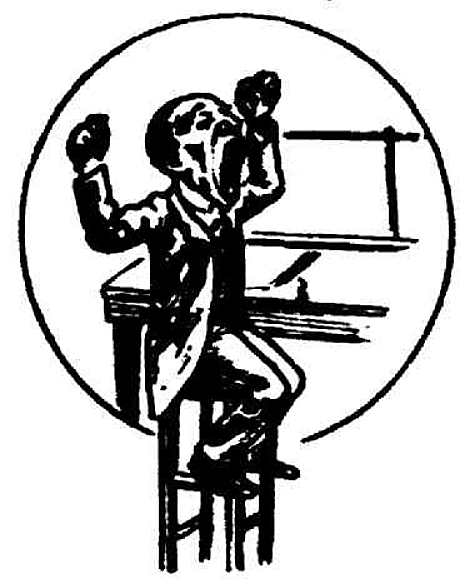
reluctance to attend school or work, or a reduction in working efficiency, experienced on a Monday morning—UK and USA, 1908; Australia, 1910—the suffix ‘-itis’ is applied to a state of mind or tendency fancifully regarded as a disease
Read MoreUK, 1710—in ease and luxury—refers to the use of clover as fodder, as explained by Samuel Johnson in A Dictionary of the English Language (1755): “To live in Clover, is to live luxuriously; clover being extremely delicious and fattening to cattle.”
Read Moredirty fingernails—1906—British and Irish English—but the comparison between the dirt edging the fingernails and the black border edging mourning paper dates back to the 19th century
Read More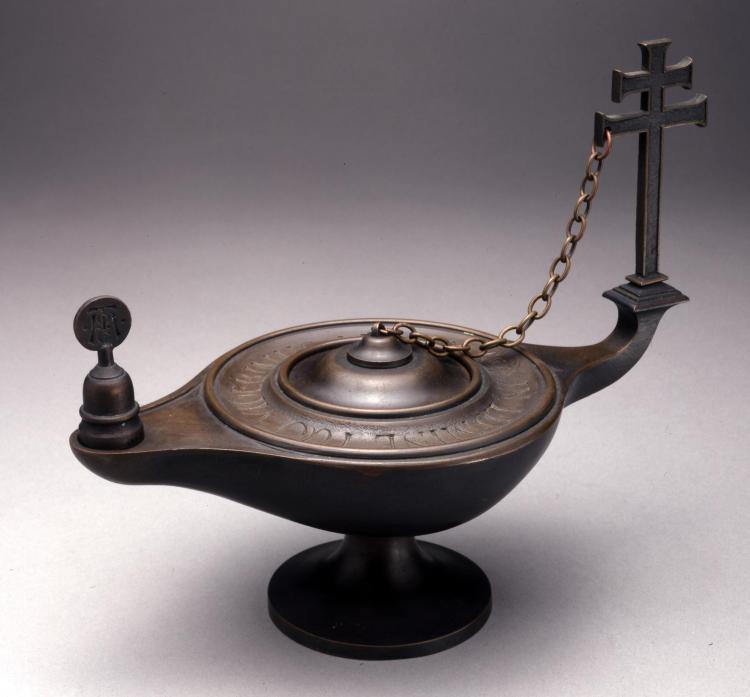
dim-witted—UK, 1955—refers to the oil lamp that is symbolically lit at the beginning of the meetings of each section of the international movement Toc H
Read More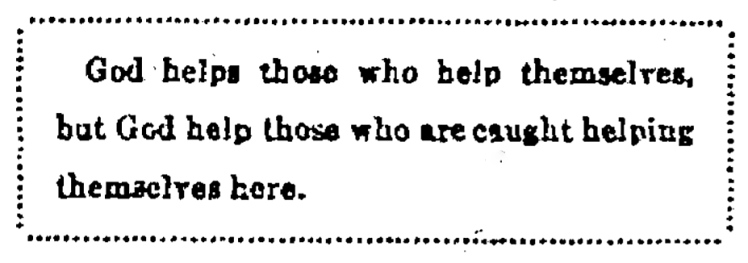
addition to proverb ‘God helps those who help themselves’—USA, UK and Australia, late 19th century—originated as a warning to shoplifters
Read More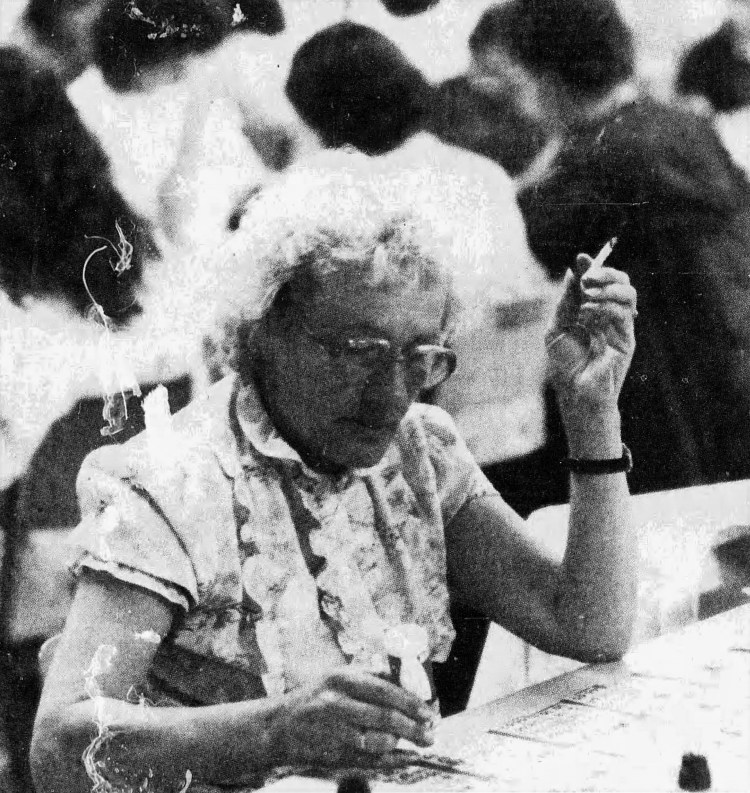
USA, 1938—UK, 1961—satirical phrase referring to the addiction to bingo, a game in which players mark off numbers on cards as the numbers are drawn randomly by a caller, the winner being the first person to mark off all their numbers
Read More
