‘like pulling teeth’: meaning and early occurrences
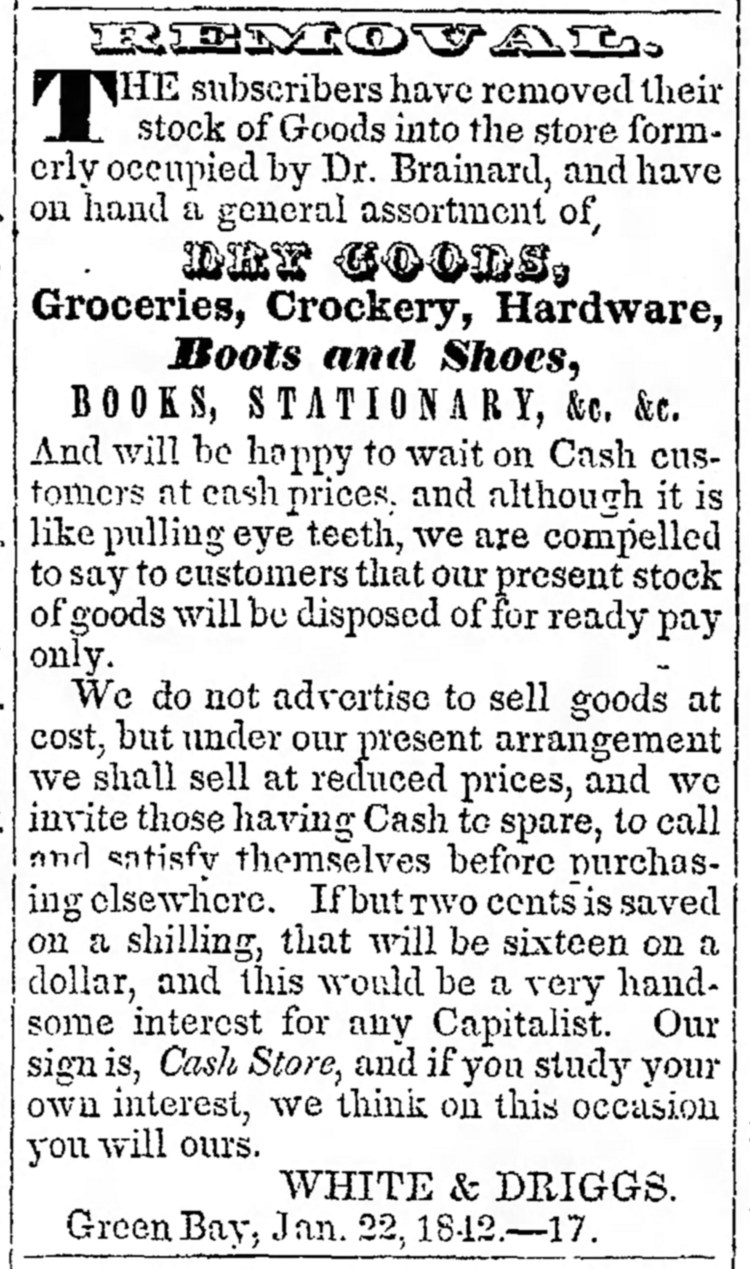
used to convey that something is extremely difficult to do—USA, 1835—also ‘like pulling eyeteeth’, ‘like pulling elephants’ teeth (with a dentist’s forceps)’
Read More
“ad fontes!”
used to convey that something is extremely difficult to do—USA, 1835—also ‘like pulling eyeteeth’, ‘like pulling elephants’ teeth (with a dentist’s forceps)’
Read Moreto praise oneself—first used by Benjamin Franklin in 1729—the image is that, when one’s trumpeter is dead, one is forced to find one’s own trumpet
Read More
UK, 1851—a disappointing end to an otherwise exciting display—refers to the cleaning-up, especially of horse-dung, necessary after the Lord Mayor’s Show, in London
Read More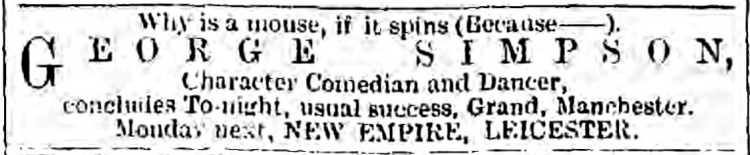
nonsensical question and answer—UK 1892—USA 1893—the question has been used to treat someone or something as unworthy of serious consideration
Read More
children are inclined to eavesdrop; used as a warning (“children are listening”)—USA, 1901—perhaps a modification of synonymous ‘little pitchers have big ears’
Read More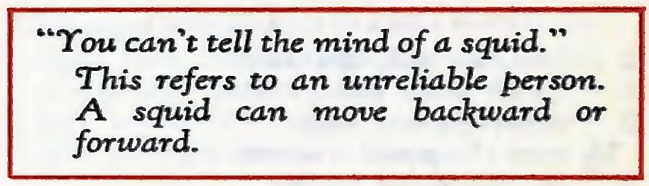
Newfoundland, 1958—used of someone or something that is unreliable—refers to the fact that a squid moves backwards and forwards
Read More
USA, 1919—‘spare no expense’—also ‘go all out for it’, ‘hand victory on a platter’, ‘allow yourself more of what you want’ (South Africa)
Read MoreUK, 1825—the Scots, allegedly verminous, were said to rub themselves against posts erected by the Duke of Argyll and to bless the Duke when doing so
Read MoreUK, 1888—a holiday spent doing the same sort of thing as one does at work—apparently from the busmen’s habit of spending their days off riding on friends’ buses
Read More
extremely slow—USA, 1874—in Christian theology, the Second Coming of Christ is the prophesied return of Christ to Earth at the Last Judgement
Read More
