meanings of ‘to give the cat another goldfish’
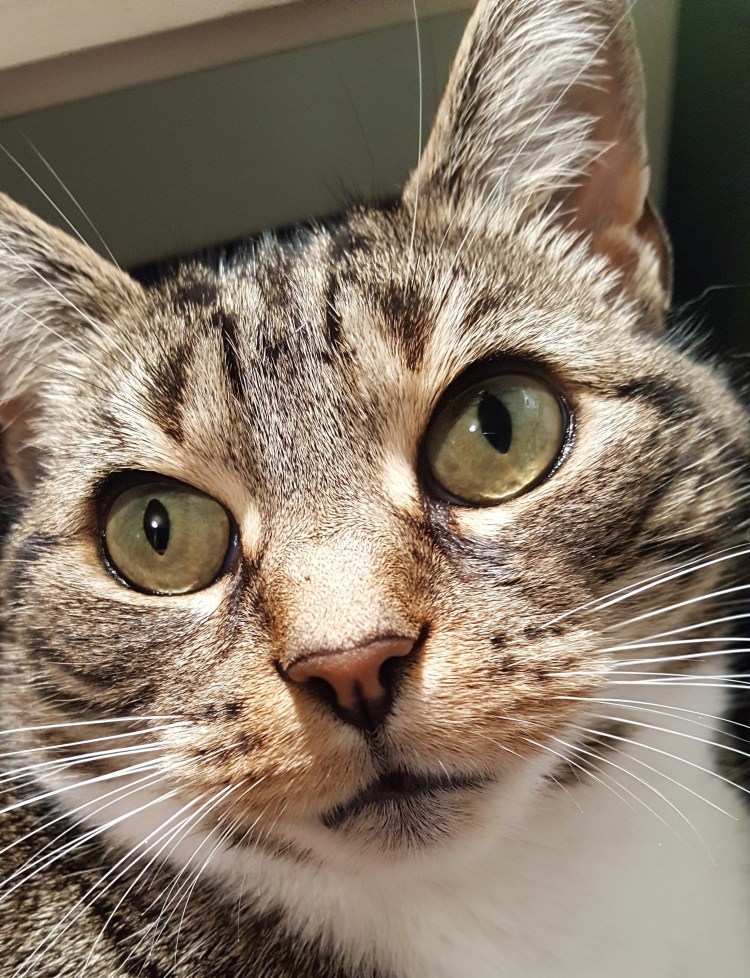
USA, 1919—‘spare no expense’—also ‘go all out for it’, ‘hand victory on a platter’, ‘allow yourself more of what you want’ (South Africa)
Read More
“ad fontes!”
USA, 1919—‘spare no expense’—also ‘go all out for it’, ‘hand victory on a platter’, ‘allow yourself more of what you want’ (South Africa)
Read MoreUK, 1825—the Scots, allegedly verminous, were said to rub themselves against posts erected by the Duke of Argyll and to bless the Duke when doing so
Read MoreUK, 1888—a holiday spent doing the same sort of thing as one does at work—apparently from the busmen’s habit of spending their days off riding on friends’ buses
Read More
extremely slow—USA, 1874—in Christian theology, the Second Coming of Christ is the prophesied return of Christ to Earth at the Last Judgement
Read More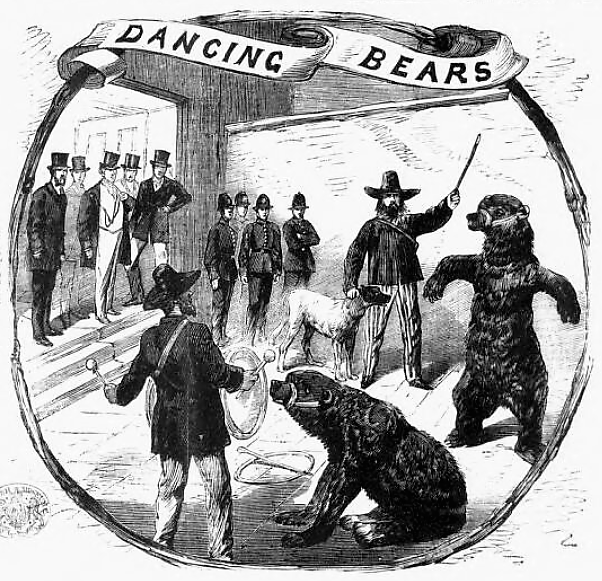
16th century—exclamation of annoyance at the reappearance of someone or something—from bear-leaders’ regular visits or from story of Elisha and the bears
Read MoreUSA, 1984—used to indicate that something is blatantly obvious—humorously from ‘Is the Pope Catholic?’ and ‘Does a bear shit in the woods?’
Read More
USA—used ironically as a response to a question or statement felt to be blatantly obvious—from 1959 onwards as ‘Does a bear live in the woods?’ and variants
Read More
USA, 1902—jocularly used to justify the necessity of taking another alcoholic drink—Irish variant (1947): ‘a bird never flew on one wing’
Read More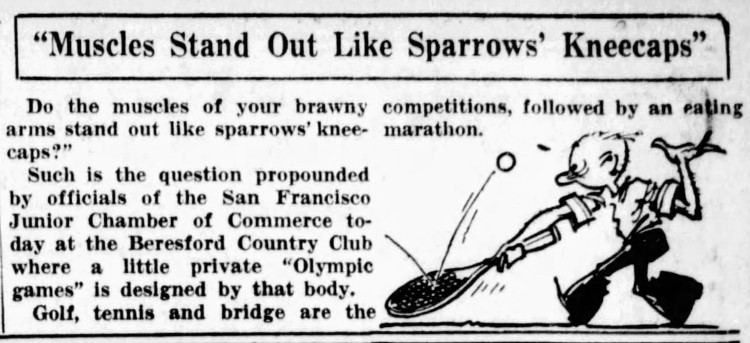
UK, 1922—(self-)disparagingly used of somebody’s physical strength—sometimes as a parody of ‘The Village Blacksmith’ (1840), by Henry Wadsworth Longfellow
Read More
UK, 1943—a medal awarded to an animal in recognition of an act of bravery—named after M. E. Dickin, founder of the People’s Dispensary for Sick Animals in 1917
Read More
