meaning and origin of the phrase ‘to send to Coventry’
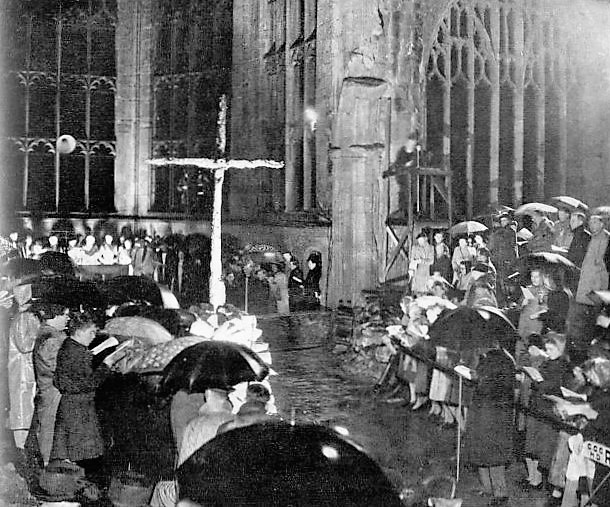
probable origin: in 1642, during the English Civil War, Royalists had been captured at Birmingham and sent to Coventry, which was a Parliamentarian stronghold.
Read More
“ad fontes!”
probable origin: in 1642, during the English Civil War, Royalists had been captured at Birmingham and sent to Coventry, which was a Parliamentarian stronghold.
Read More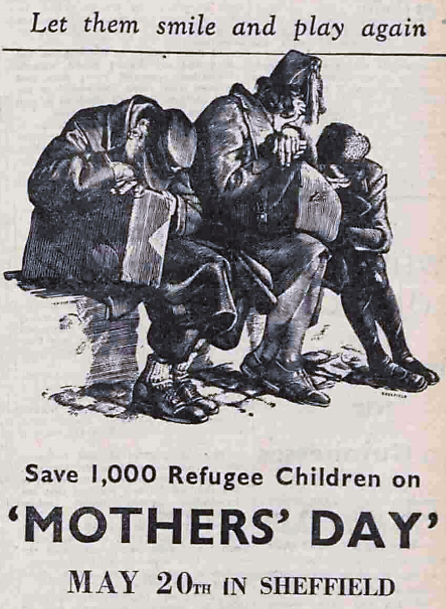
Kindertransport (from German ‘Kinder’, children): operation from 1938 to 1940 to evacuate (mostly Jewish) children from Nazi-controlled areas of Europe to the UK
Read More
‘Gorgeous Wrecks’ (UK, WWI): members of the Volunteer Training Corps, from the letters ‘G.R.’ (‘Government Recognition’) interpreted as meaning ‘Georgius Rex’
Read More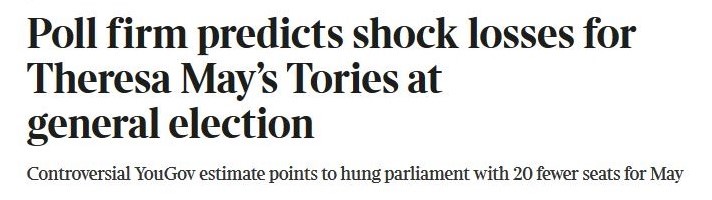
In ‘hung parliament’, ‘hung’ means ‘in which no political party has an overall majority’ – cf. the US expression ‘hung jury’, where ‘hung’ means ‘unable to decide’.
Read More
The word ‘conundrum’, attested in 1596, originally meant ‘whimsy’, ‘oddity’. It perhaps originated as a parody of some Latin scholastic phrase.
Read More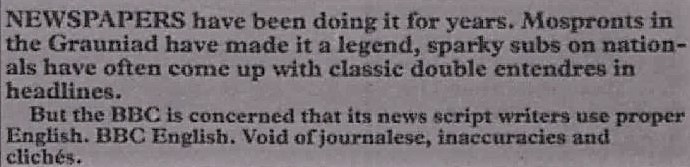
‘Grauniad’, the nickname for the Guardian, was reportedly given to this British newspaper by the magazine Private Eye because of its typesetting errors.
Read More
The current sense of ‘jingo’ originated in a 1877 patriotic song adopted by the bellicose factions within the Conservative Party during the Russo-Turkish war.
Read MoreA horse’s teeth reveal its age. It is therefore bad manners to look in the mouth of a horse that has been received as a gift in order to establish its value.
Read More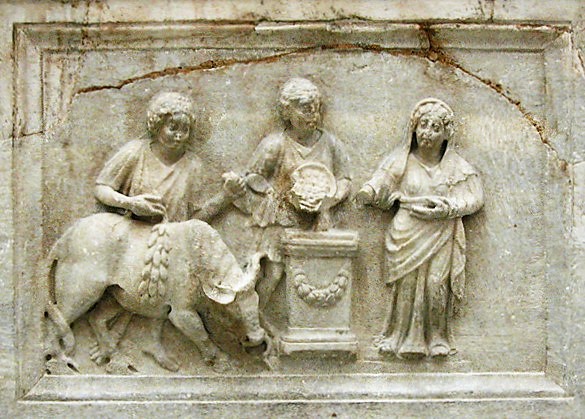
The verb ‘immolate’ is from Latin ‘immolare’, meaning, literally, ‘to sprinkle (a victim) with sacrificial meal’, from ‘mola salsa’, ‘salted spelt-meal’.
Read MoreThe verb ‘sneeze’ is an alteration of the obsolete verb ‘fnese’ due to misreading or misprinting it as ‘ſnese’ (= ‘snese’).
Read More word histories