meaning and origin of the phrase ‘carrot and stick’
early 20th century—refers to the method of tempting a donkey to move forward by dangling a carrot before it, and beating it with a stick if it refuses
Read More
“ad fontes!”
early 20th century—refers to the method of tempting a donkey to move forward by dangling a carrot before it, and beating it with a stick if it refuses
Read Moreto go off—19th cent.—from a procedure consisting in making a person walk on a straight line drawn with chalk in order to establish whether they are inebriated
Read More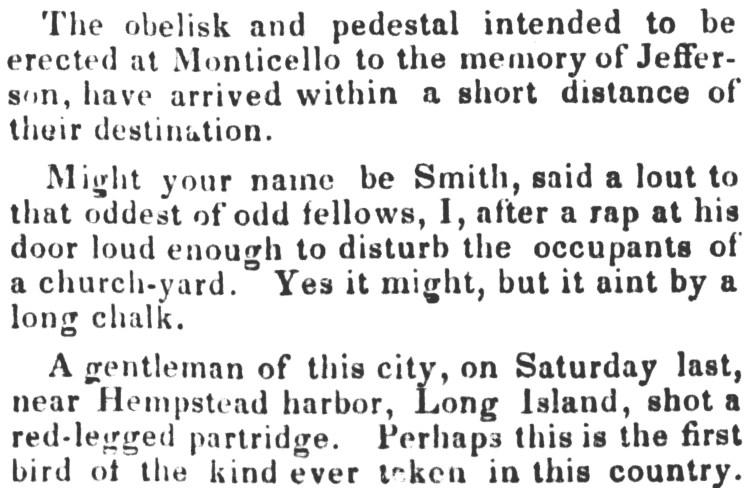
‘by a long chalk’: in a great degree, by far — 19th century, from the practice of using chalk to mark up the points scored in a game
Read More
blend of ‘adult’ and ‘adolescent’: adult who has retained the interests, behaviour or lifestyle of adolescence — origin USA, first attested in 1945
Read Morefrom ‘a bolt out of the blue’, denoting a sudden and unexpected event, with reference to the unlikelihood of a thunderbolt coming from a clear blue sky
Read More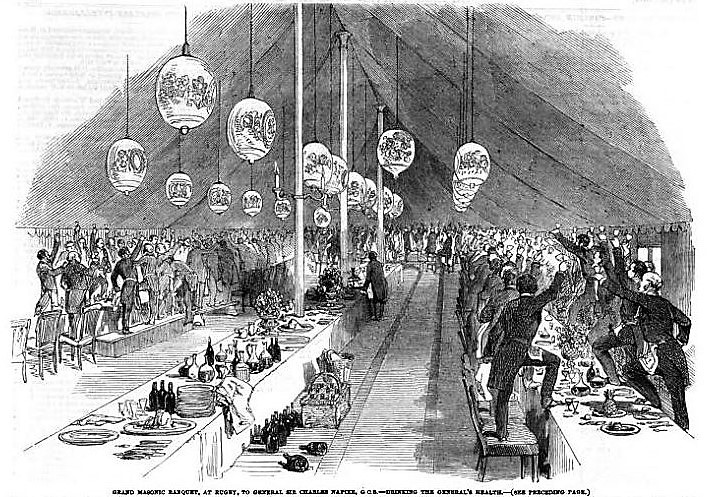
‘beano’, abbreviation of ‘beanfeast’: an enjoyable time; originally an annual dinner, given by employers to employees, or held by organisations or clubs
Read Morefrom the image of an impossible task, ‘to set the Thames on fire’: to work wonders — typically used negatively in the ironic sense never to distinguish oneself
Read More
originally the washing of poor persons’ feet – from ‘mandatum novum’, ‘a new commandment’, in the discourse following Jesus’ washing of the apostles’ feet
Read Morefrom the name of an 1847 farce in which a landlady lets out, unbeknown to them, the same room to two tenants, Box and Cox, the one by day, the other by night
Read More‘Let the cobbler stick to his last’ goes back to Pliny’s story of the Greek artist Apelles answering a cobbler who had criticised one of his paintings.
Read More word histories