origin of ‘spare the rod and spoil the child’
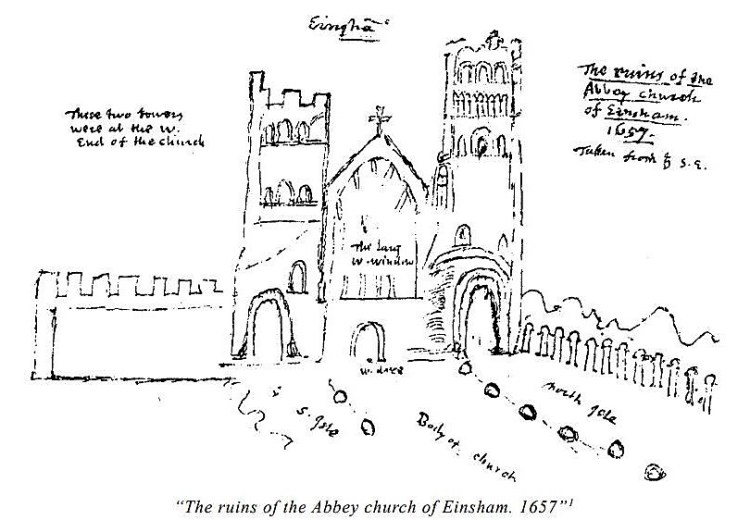
first recorded in ‘Hudibras’ (1664), by Samuel Butler—from the first half of ‘Proverbs’, 13:24: “Whoever spares the rod hates their children.”
Read More
“ad fontes!”
first recorded in ‘Hudibras’ (1664), by Samuel Butler—from the first half of ‘Proverbs’, 13:24: “Whoever spares the rod hates their children.”
Read More
UK, 1826—from the eponymous character played by John Liston in a comedy by John Poole, which premiered at the Haymarket Theatre, London, on 13th September 1825
Read More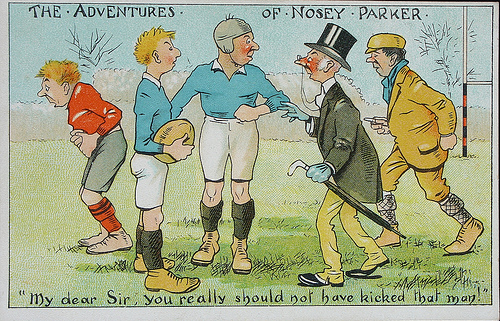
UK, late 19th century—apparently with reference to a probably fictitious individual named Parker, taken as the type of someone inquisitive
Read More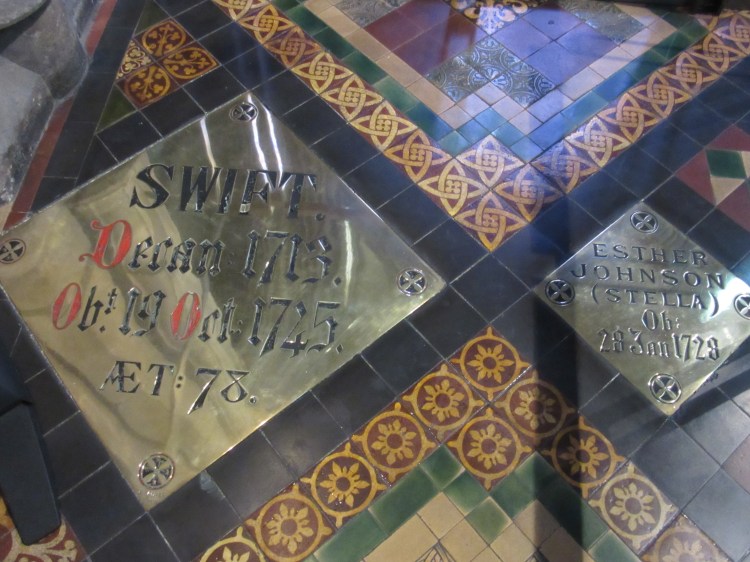
1711 in a letter by Jonathan Swift—perhaps from Ecclesiastes, 10:20: “a bird of the air shall carry the voice; and that which hath wings, shall tell the matter”
Read More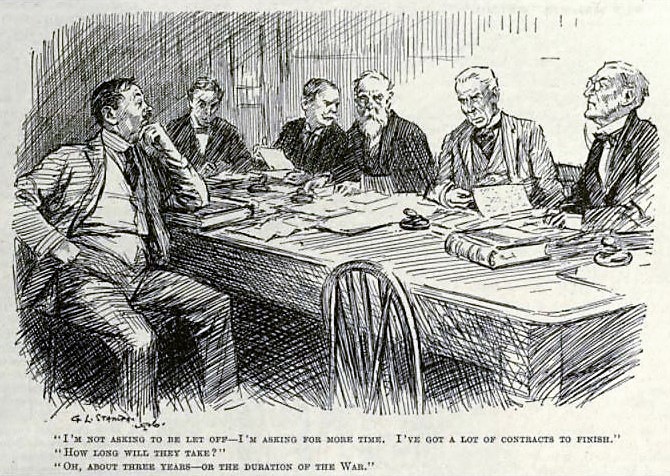
UK, 1917—originally used of the First World War, from the term of enlistment ‘for three’, or ‘four’, ‘years or for the duration of the war’
Read More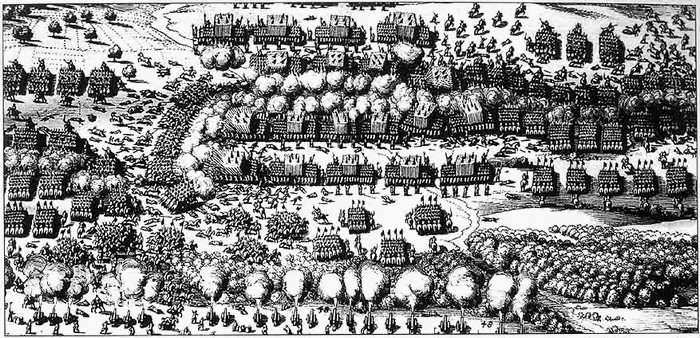
originated in the context of military engagements: ‘day’ denotes ‘a day of contest on the battlefield’ and the phrase means ‘to avert defeat in battle’
Read More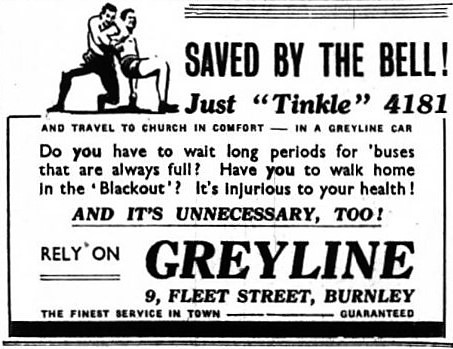
‘rescued from a difficult situation by a timely intervention’, from (in boxing) ‘saved from being counted out by the ringing of the bell at the end of a round’
Read MoreWith words denoting some specified deficiency in a desirable or standard quantity of something, ‘short of a ——’ means ‘mentally deficient’, ‘slightly crazy’.
Read More18th century, of women’s clothes—‘bib’: a piece of cloth worn between throat and waist; ‘tucker’: a piece of lace or linen worn in or around the top of a bodice
Read Moremid-17th cent. in the sense ‘brand new’—from ‘spick and span new’, extension of ‘span new’, from Old Norse ‘spán-nýr’, ‘as new as a freshly cut wooden chip’
Read More word histories