How the British phrase ‘one’s finest hour’ arose in 1940.

the time of one’s greatest success—from the speech made on 18 June 1940 by P.M. Winston Churchill after the fall of France and before the Battle of Britain
Read More
“ad fontes!”
the time of one’s greatest success—from the speech made on 18 June 1940 by P.M. Winston Churchill after the fall of France and before the Battle of Britain
Read MoreUK 2006—to play recherché music on a jukebox with the intent of irritating pub customers—attributed to Carl Neville in reference to Robert Wyatt’s ‘Dondestan’
Read More
‘cheese-eating surrender monkeys’: the French people (USA, 1995) from The Simpsons—‘tea-drinking surrender monkeys’: the British people (Ireland, 2004)
Read More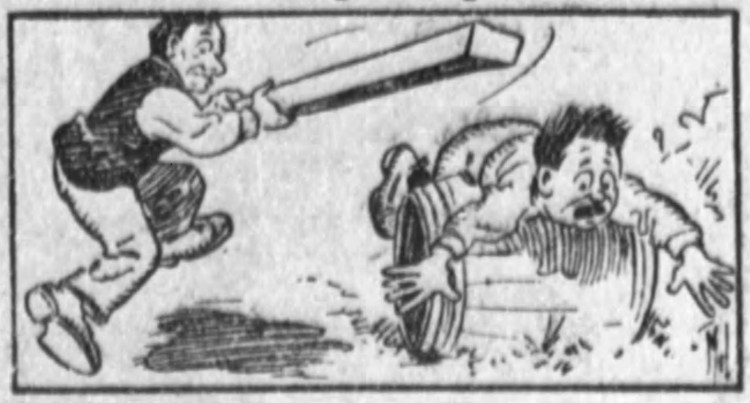
USA, 1890—at someone’s mercy—probably alludes to the practice of binding a person over an overturned barrel in order to beat them
Read More
1858-60 steadfast political commitment—1861-62 sureness—1864-65 very low retail prices—1895-66 (economics) the lowest possible level (?)
Read More
1957—coined as a marketing term by the Cheese Bureau, an organisation formed to promote the sales of cheese, when it began encouraging pubs to serve this meal
Read More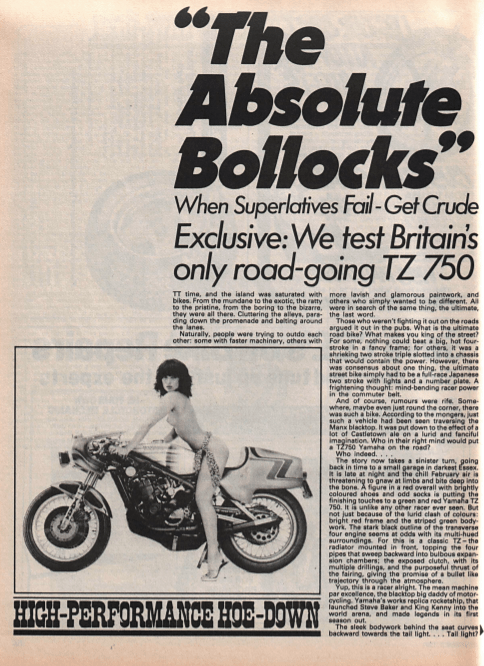
UK, 1980s—the very best—perhaps from ‘it sticks out like a dog’s ballocks’, denoting something obvious, hence someone or something that sticks out from the rest
Read MoreUK, 1988—used in similes to denote something that protrudes—originated in British military slang
Read More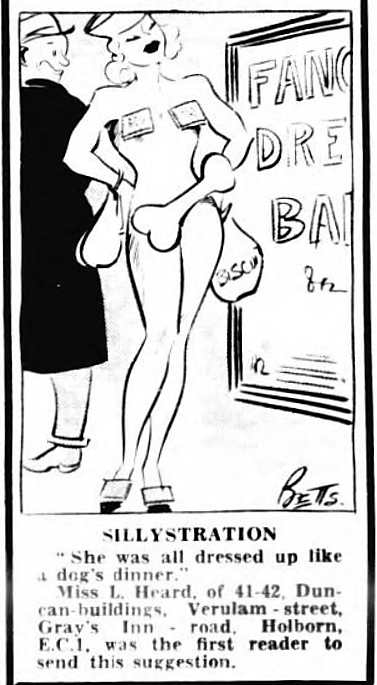
UK—a confused mess—alludes to the jumbled nature of a dog’s meal—‘like a dog’s dinner’: over-elaborately or ostentatiously dressed
Read More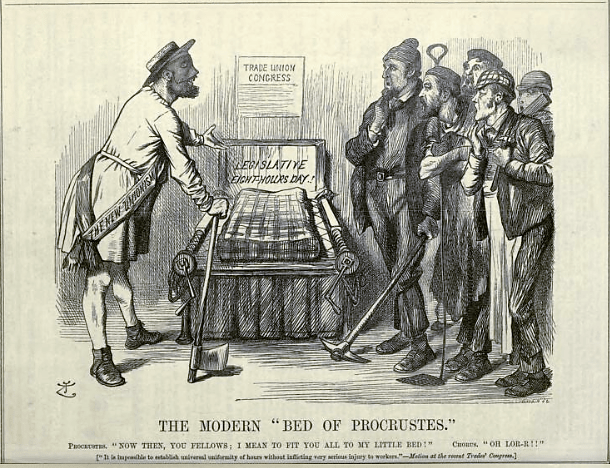
a means of enforcing conformity—Greek mythology: Procrustes was a robber who made his victims fit a bed by either stretching them longer or cutting them shorter
Read More word histories