coined by Thomas Jefferson in Notes on the State of Virginia, first published in Paris in 1785—literal meaning: ‘to make little’ (composed of the prefix ‘be-’ and the adjective ‘little’)—criticised in The European Magazine, and London Review of August 1787 when the book was published in London
The noun ‘wolf whistle’ appeared in the USA in 1943—Wolf-whistling was popularised by the wolf, a cartoon character created by Tex Avery in Little Red Walking Hood (1937), which reappeared in Red Hot Riding Hood (1943).
USA, 1795—Probably a blend of ‘irrespective’ and ‘regardless’, ‘irregardless’ means the same as ‘regardless’. It is regarded as incorrect in standard English, because the negative prefix ‘ir-’ merely duplicates the suffix ‘-less’, and is therefore unnecessary.
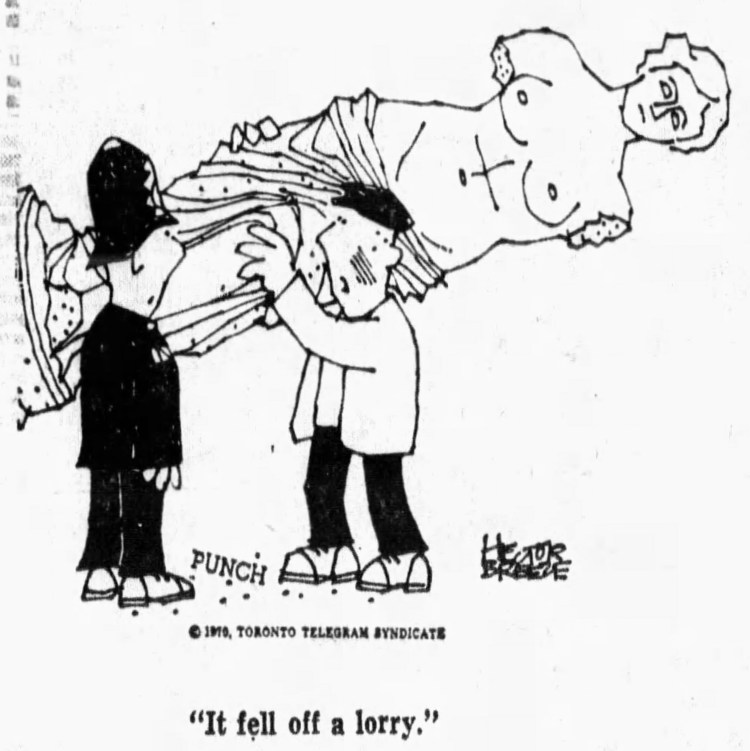
UK, 1953, humorous and euphemistic—‘to fall off (the back of) a lorry’: of goods, ‘to be acquired in dubious or unspecified circumstances’, especially ‘to be stolen’—variant with ‘truck’ came into use later in Australian and North American English
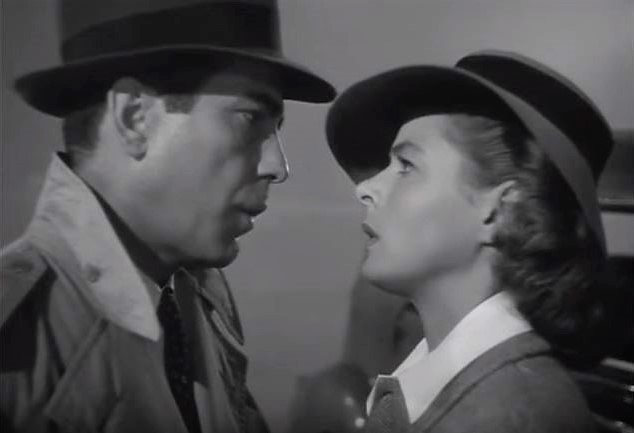
USA, 1871—The phrase ‘here’s looking at you’ is used as a toast in drinking. It is now widely associated with the American film Casablanca (1942), in which Humphrey Bogart addresses Ingrid Bergman with the words “Here’s looking at you, kid.”
USA, 1811—based on the three principal components that make up a flintlock gun: ‘lock’ denotes the firing mechanism, ‘stock’ the handle or wooden shoulder-piece to which it is attached, and ‘barrel’ the tube down which the bullet is fired
to create trouble or a commotion—USA, 1840—a euphemism for synonymous phrases such as ‘to raise the Devil’ and ‘to raise hell’—from the name of the eldest son of Adam and Eve and murderer of his brother Abel
first recorded in a speech by Rev. George W. Bethune, transcribed in ‘Brief abstract of the fourth annual report of board of Managers of the New-York city Colonization Society’, published in ‘The American Christian Instructor’ of April 1836
Of American-English origin, the colloquial phrase ‘hot under (or ‘in’) the collar’ means ‘extremely exasperated or angry’. The earliest instance that I have found is from The Chicago Tribune (Chicago, Illinois) of 8th July 1869.
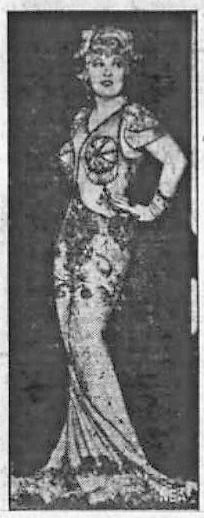
From the name of the American film actress Mae West, renowned for her generous bust, the informal noun ‘Mae West’, attested in 1940, denotes an inflatable life jacket, originally as issued to Royal Air Force aviators during World War II.