first recorded in the United Kingdom in 1914, with reference to the civilizational implication of the German invasion of Belgium at the beginning of World War One; therefore, not first used by Orson Welles in Citizen Kane (1941)
USA—‘to go Dutch’ (1907): to have every participant pay their own expenses, or share expenses equally—via ‘to go Dutch treat’ (1887), from ‘Dutch treat’ (1873): a meal, etc., at which each participant pays their share of the expenses—from a German practice
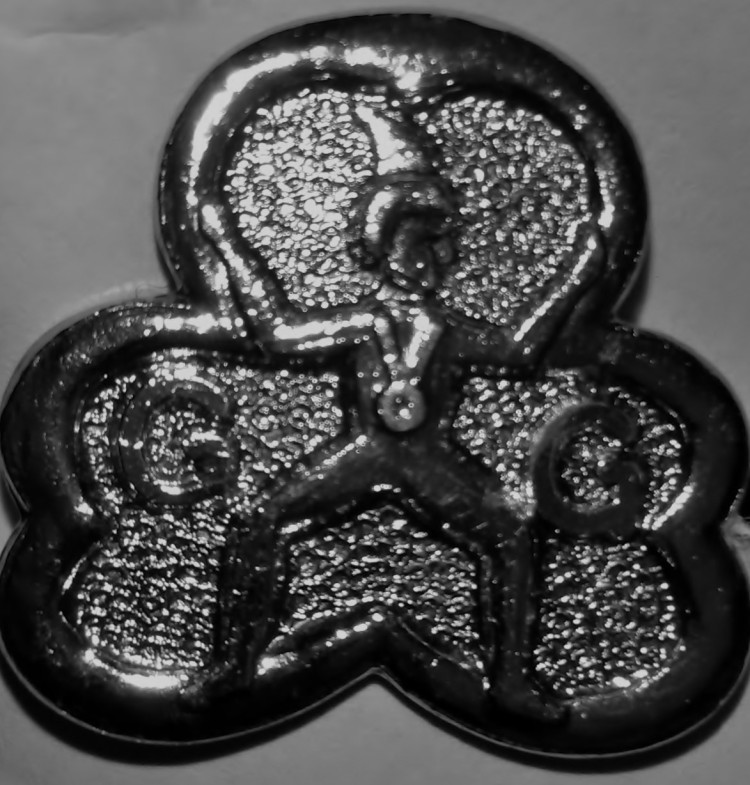
1916—from ‘brownie’, i.e. a benevolent elf that supposedly haunts houses and does housework secretly—not from the fact that the uniform of the junior Girl Scouts and Girl Guides is brown
first recorded in the Los Angeles Times (California) of 15 March 1951—possibly from ‘brownie’ in the sense of ‘a benevolent elf that supposedly haunts houses and does housework secretly’
USA, 1950s—The noun ‘doggy (or doggie) bag (or pack)’ denotes a bag, provided on request by the management of a restaurant, in which a diner may take home any leftovers; apparently, these leftovers were originally intended for the diner’s pet dog.
USA, 1946—‘to have, or to get, egg on one’s face’: to be, or to get, embarrassed or humiliated by the turn of events—refers either to having eggs thrown at one’s face or to yolk stains left on the face after the careless eating of a soft-boiled egg
U.S., second half 19th century—from the story (1850) of a man who, having declared that he could eat anything, was challenged to eat crow; the crow he had to eat was seasoned with snuff, so that the man gave up after one bite, saying “I can eat crow, but I’ll be darned if I hanker after it.”
USA, 1939—‘there is’, or ‘ain’t’, ‘no such thing as a free lunch’: everything inevitably involves a cost of some kind—literal meaning of ‘free lunch’ (first half of the 19th century): a lunch provided free of charge in a bar, saloon, etc., as a means of attracting customers
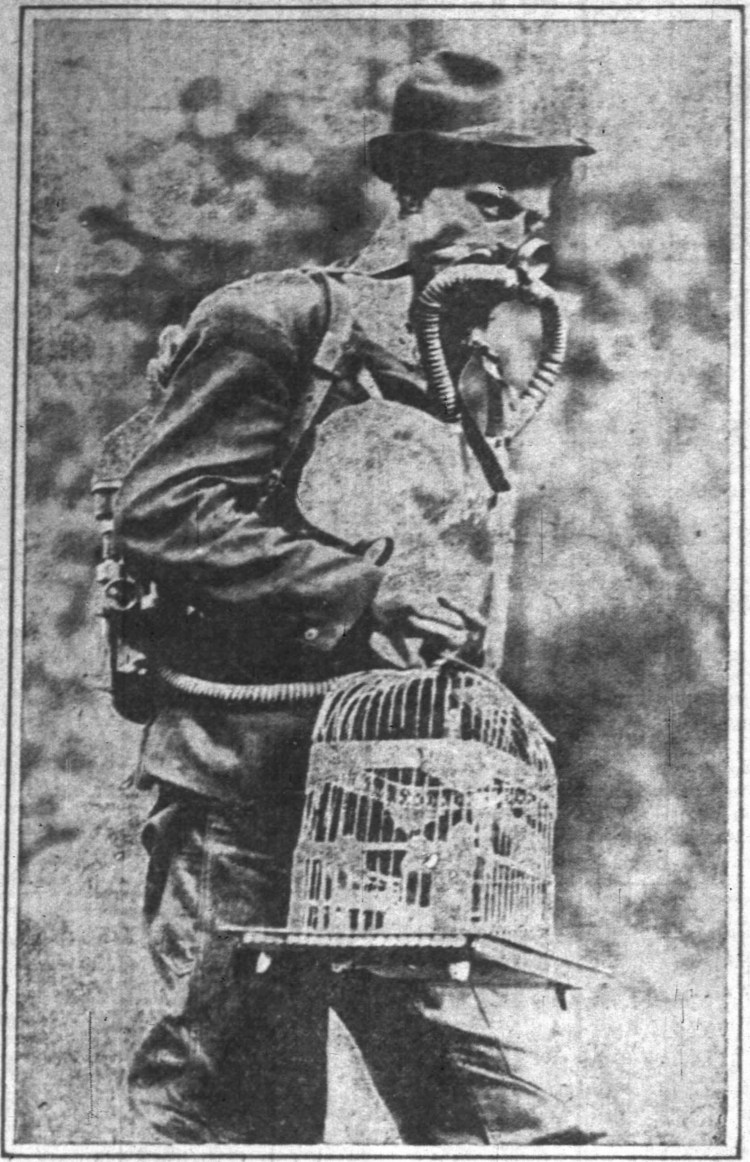
USA, 1964—‘canary in the coal mine’: an early indicator of potential danger or failure—from the former practice of taking live canaries into coal mines to test for the presence of toxic gases, the illness or death of the canaries serving as an indication that such gases were present
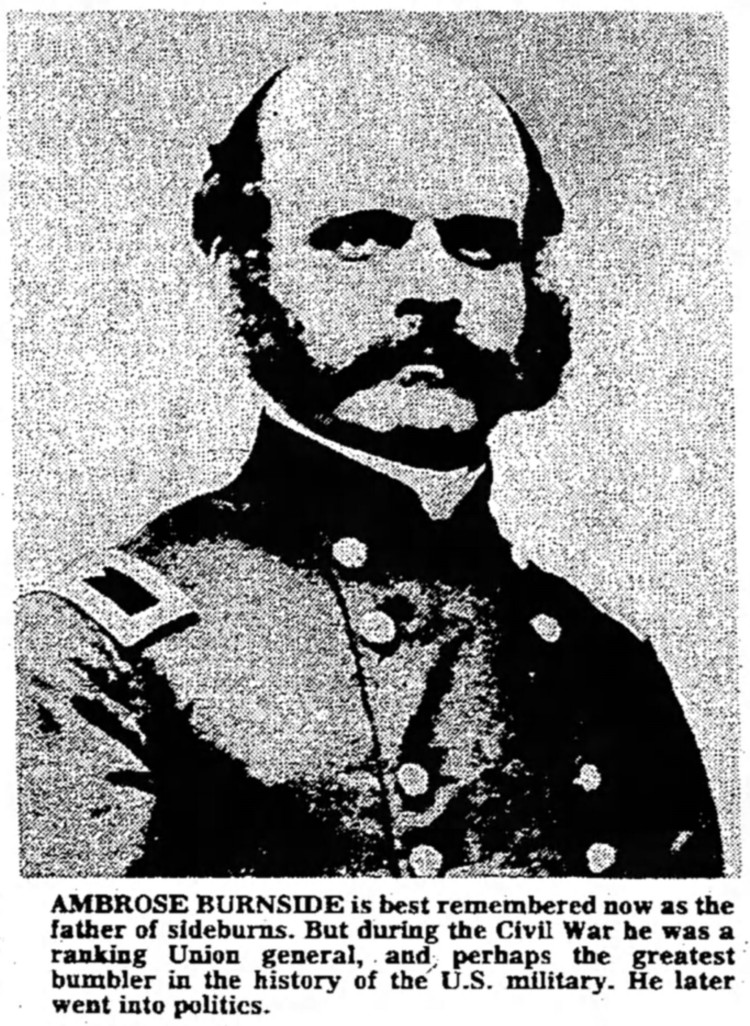
After Ambrose Burnside, Union general in the U.S. Civil War, ‘burnsides’ (1866) denotes thick side whiskers worn with a moustache and clean-shaven chin; on the pattern of ‘side whiskers’, it was altered to ‘sideburns’ (1875), itself altered to ‘sideboards’ (1882).