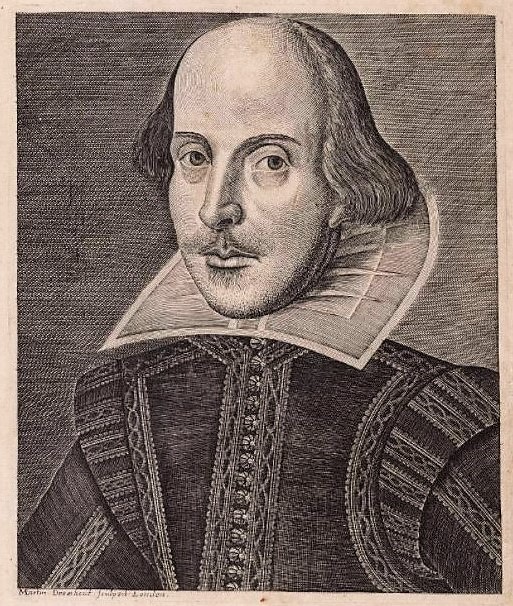
an epithet for William Shakespeare, born at Stratford-upon-Avon, on the River Avon—first used by Ben Jonson in the earliest collected edition (1623) of Shakespeare’s plays—but this use of ‘swan’ for a bard, a poet, is rooted in a tradition going back to antiquity
UK, early 19th century—private property taken from an enemy in war—originally an Anglo-Indian noun, from Hindi ‘lūṭ’, from Sanskrit ‘luṇṭh-‘, ‘to rob’—came to be also used as slang for ‘money’ and to also denote ‘wedding presents’
Originally, the mother was the object of ‘deliver’, the image was of delivering (freeing) her from the burden of pregnancy. Nowadays, the healthcare provider or the mother is the subject, the image is of delivering (handing over) the baby, as if it were a package.
The name ‘Quorn’ was first registered as a trademark—for certain edible products other than meat substitutes—by the Quorn Specialities Company of Leicester, England, in 1914. The meat substitute was subsequently developed by the successors of this company.
mi-17th century—probably from ‘hand in (the) cap’, used of a sort of game in which players put forfeit money in a cap and then drew from it—later applied to a race between two horses (the better of which carried extra weight), arranged by such rules
British English, first recorded, apparently as army slang, in 1945—probably from ‘bonk’ (= a blow on the head) and the suffix ‘-ers’ as in ‘ravers’ (from ‘raving mad’) and ‘starkers’ (from ‘stark mad’)
First recorded in 1694, ‘Peg Tantrum’ was chiefly used in the phrase ‘to go to Peg Trantum’s’, meaning ‘to go to one’s death’. This word is perhaps from ‘Peg’, rhyming form of ‘Meg’, pet form of the female forenames ‘Margery’ and ‘Margaret’, and from ‘tantrum’.
Old English ‘werewulf’ (first element identified with Old English ‘wer’, ‘man’) first used for ‘wolf’ to denote a person serving Satan (cf. Gospel of Matthew “Beware of false prophets, who come to you in sheep’s clothing, but inwardly they are ferocious wolves”)
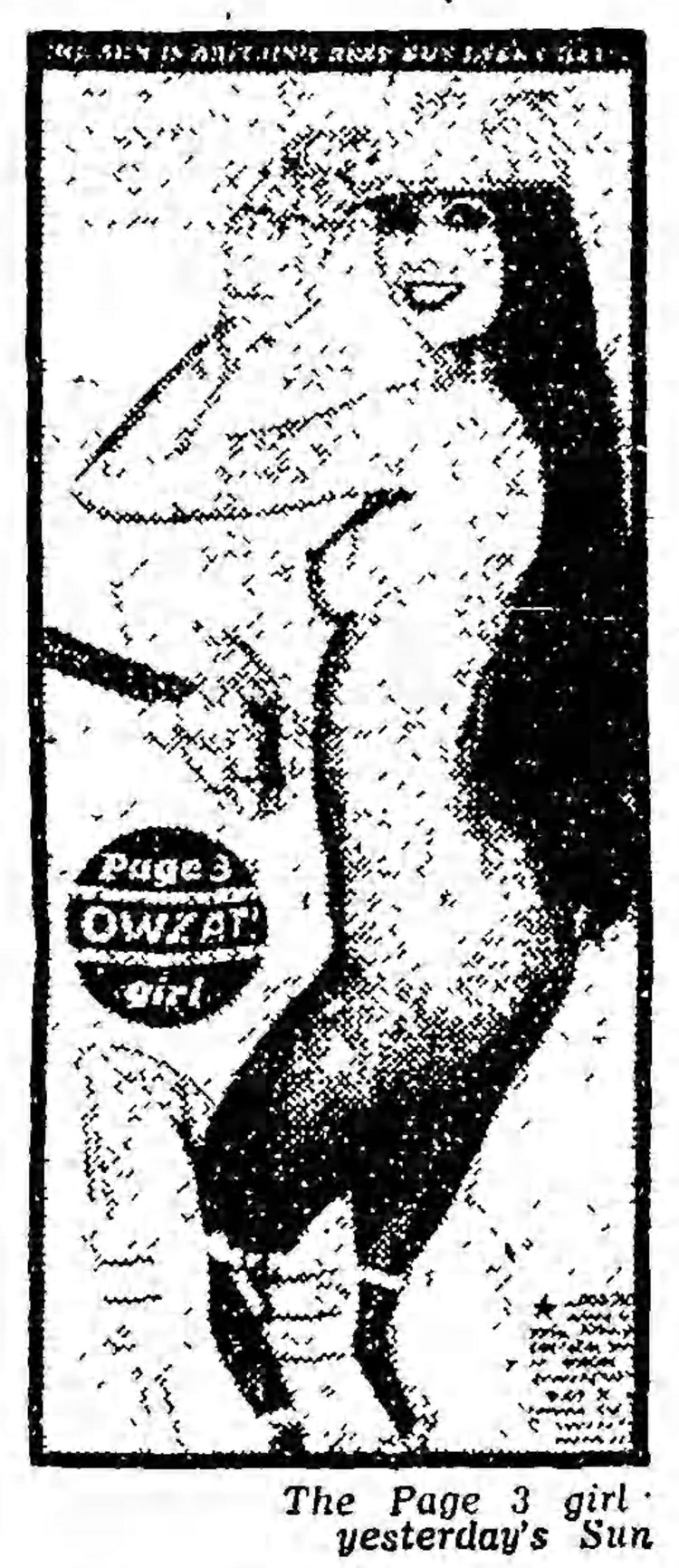
British English—‘Page Three’, or ‘Page 3’: a feature which appeared daily on page three of the British tabloid The Sun (London), and included a pin-up picture of a topless or nude young woman; this feature first appeared on 17 November 1970.
UK, 1819—specifically invented to qualify the English poet and critic William Gifford with reference to the fact that he had been a shoemaker’s apprentice—alludes to the proverb ‘let the cobbler stick to his last’ from Pliny’s Natural History (AD 77)