‘Miss’-‘Ms’: origin
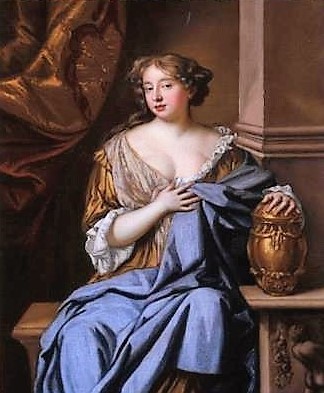
‘miss’: unmarried woman or girl; 17th cent., short for ‘mistress’—‘Ms’: title free of reference to marital status; 20th cent., blend of ‘Mrs’ and ‘Miss’
Read More
“ad fontes!”
‘miss’: unmarried woman or girl; 17th cent., short for ‘mistress’—‘Ms’: title free of reference to marital status; 20th cent., blend of ‘Mrs’ and ‘Miss’
Read More
from Speed the Plough (1798), by Thomas Morton; Dame Ashfield is constantly fearing to give occasion for the sneers of Mrs Grundy, her unseen neighbour
Read More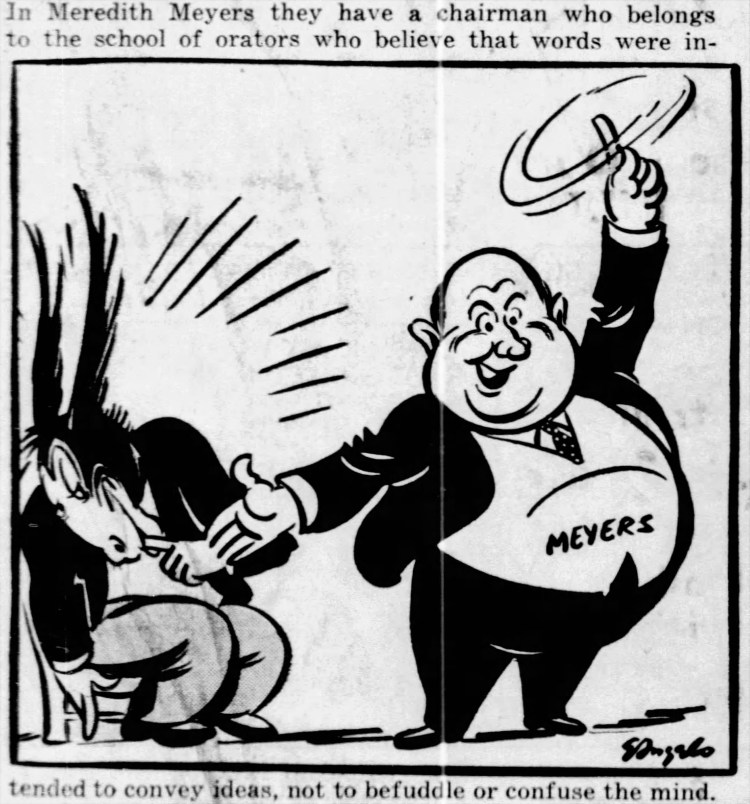
‘something new can only be judged to be good or bad after it has been tried or used’ (‘proof’ = ‘test’)—1623, in Remaines, concerning Britaine, by W. Camden
Read More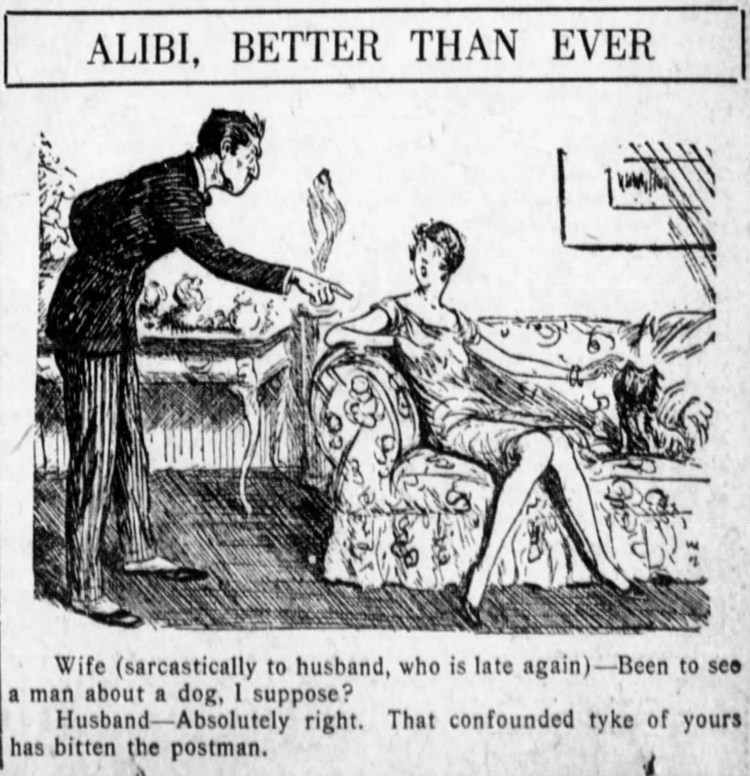
UK, 1865—vague excuse for leaving to keep an undisclosed appointment, or, now frequently, to go to the toilet—perhaps originally with allusion to dogfighting
Read More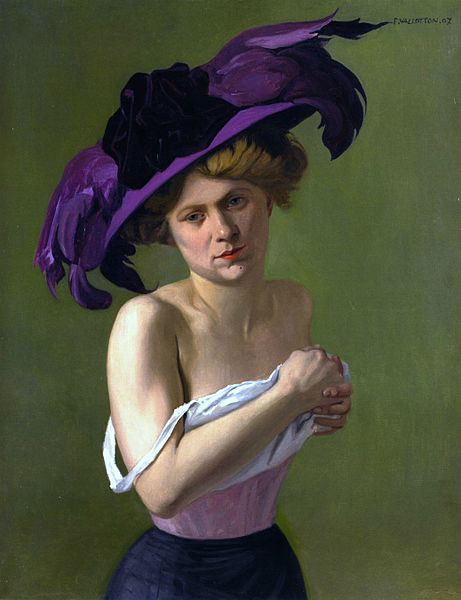
coalesced forms of the obsolete phrasal verbs ‘to do on’ and ‘to do off’, meaning respectively ‘to put on’ and ‘to take off’ (an item of clothing)
Read More
meaning: ‘tit for tat’—Oliver was a full match for his comrade Roland, the legendary nephew of Charlemagne in ‘La Chanson de Roland’ and other romances
Read More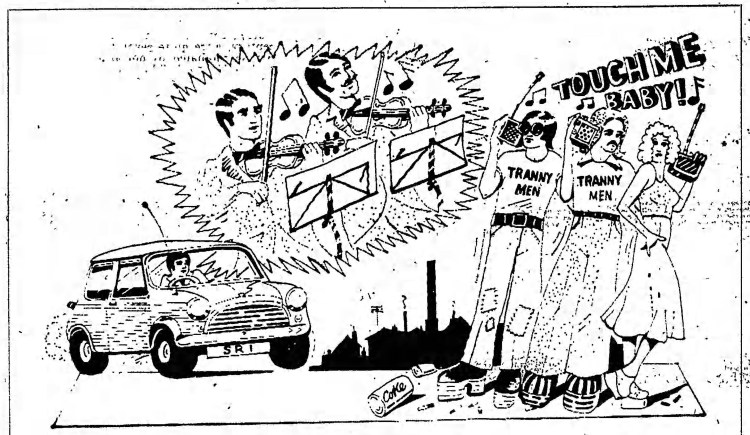
UK, 1971, in graffiti—preceded by a proper or common noun in the singular or plural; used to assert the pre-eminence of a specified person or thing
Read More‘blanket’: from Old-Northern-French and Anglo-Norman forms such as ‘blankete’ (white woollen material), composed of ‘blanc’ (white) and the diminutive suffix ‘-ette’
Read Morefrom the legal formula ‘part and parcel’, in which both nouns meant ‘an integral portion of something’, the second noun merely reinforcing the first
Read More
UK, 1784—elaborated on the archaic ‘on the spur’, which meant ‘in great haste’ and referred to the use of spurs to urge a horse forward
Read More word histories