‘Fabian’ applied to George Washington | the Fabian Society

Washington’s strategy was similar to that of Fabius Cunctator, who defeated Hannibal by avoiding decisive contests—the Fabian Society advocates gradual reforms
Read More
“ad fontes!”
Washington’s strategy was similar to that of Fabius Cunctator, who defeated Hannibal by avoiding decisive contests—the Fabian Society advocates gradual reforms
Read More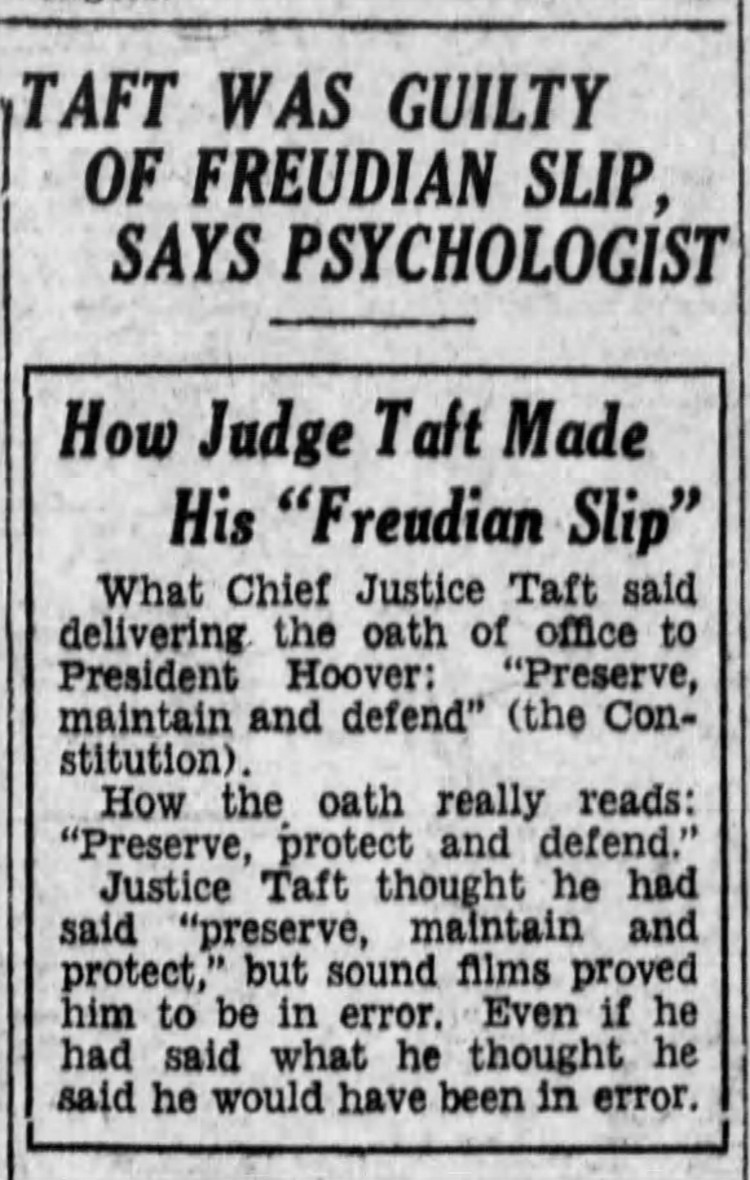
USA, 1927—a slip of the tongue by which the speaker reveals an unconscious thought—named after Austrian neurologist and psychotherapist Sigmund Freud (1856-1939)
Read More
USA—from 1848 onwards in contrast to ‘all men are equal’—now often alludes to ‘but some animals are more equal than others’ in Orwell’s Animal Farm (1945)
Read Moree.g. ‘one eye at St. Paul’s and the other at Charing-cross’, ‘un œil aux champs et l’autre à la ville’ (one eye at the fields and the other at the town)
Read Morewith allusion to food served up on a slice of toast—1877 ‘to have someone on toast’: to have someone at one’s mercy—1886 ‘to be had on toast’: to be cheated
Read More1924—to unfairly alter the terms of a procedure during its course—also (humorous): the only way for an unsuccessful soccer team to score a goal
Read More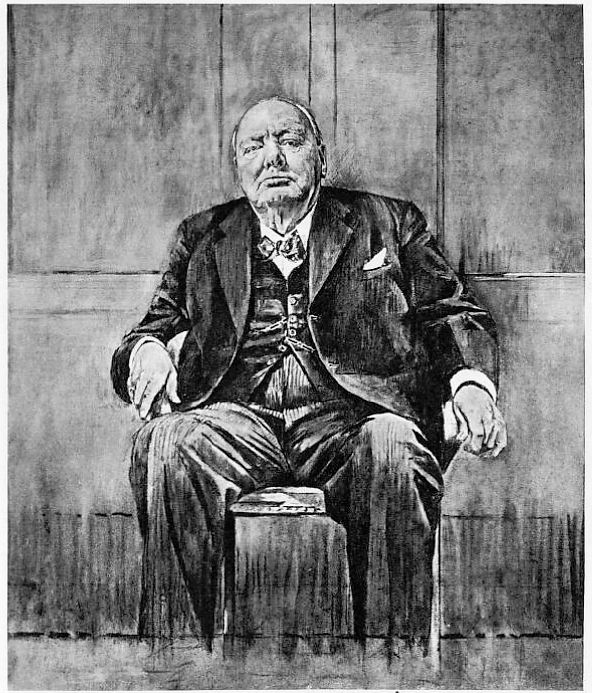
USA, 1884—a person whose lack of courage is as real as it appears to be—jocular variant of ‘a wolf in sheep’s clothing’—often misattributed to Winston Churchill
Read More
The letter ‘s’ in both the nouns currently spelt ‘island’ and ‘aisle’ is due to folk-etymological association of those words with the unrelated noun ‘isle’.
Read More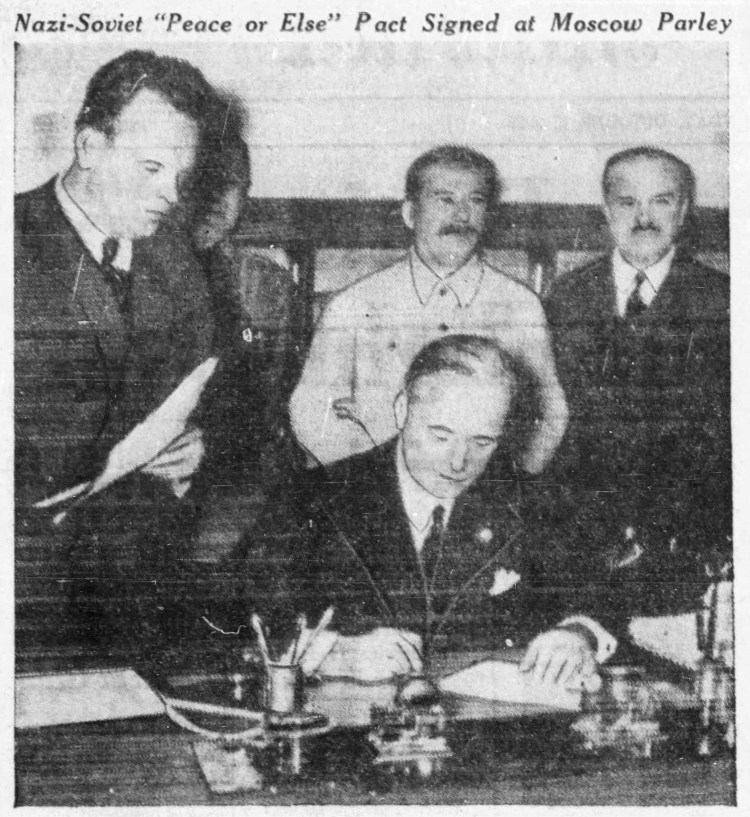
the Union of Soviet Socialist Republics under Stalin, as characterised by Winston Churchill in a speech broadcast on the radio on 1st October 1939
Read More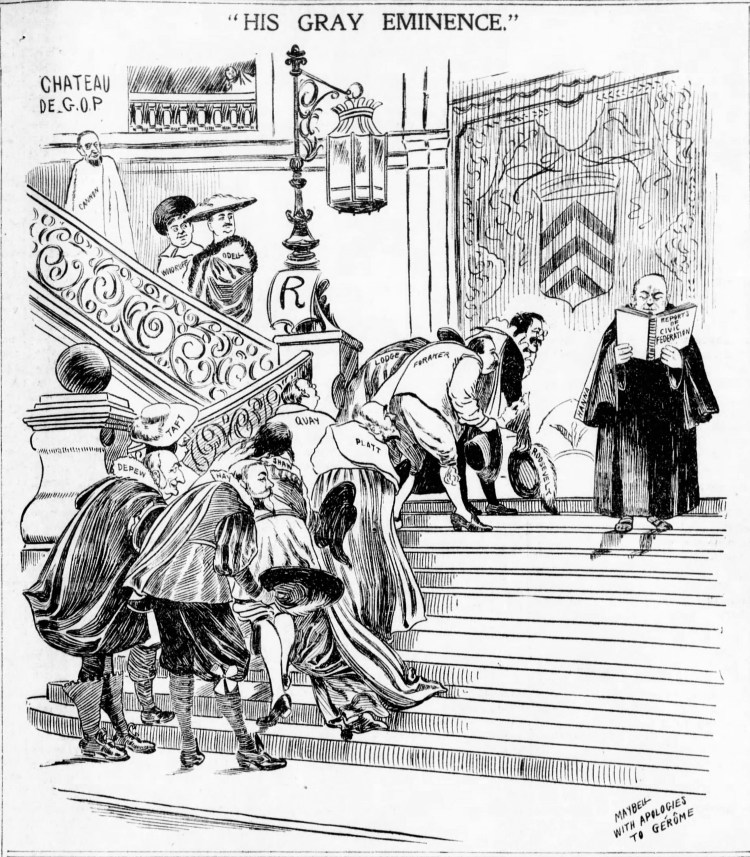
UK, 1877—a person who wields unofficial power and influence—originally applied to Père Joseph (François Leclerc du Tremblay), French friar, confidential agent of Cardinal Richelieu
Read More
