meaning and origin of ‘Matthew effect’ and of ‘Matthew principle’
USA, 1960s—those who already have will receive more—refers to gospel of Matthew—coined by sociologist Robert King Merton
Read More
“ad fontes!”
USA, 1960s—those who already have will receive more—refers to gospel of Matthew—coined by sociologist Robert King Merton
Read More
(jocular) to become unduly agitated or angry—twisted clothing as a metaphor for mental confusion—UK, 1971, in the comic strip Andy Capp
Read More
Irish English, 1907—out of touch with reality—ultimately refers to the belief that the fairies spirit away human beings
Read MoreUK, 1930—‘as the bishop said to the actress’, ‘as the actress said to the bishop’: mischievously implies a sexual innuendo or ambiguity in a preceding innocent remark
Read More
the city or university of Oxford; the sheltered condition of unworldly academics—from the poem ‘Thyrsis’ (1866), by Matthew Arnold
Read MoreUK, 1789—aided by alliteration, arose from a long-established figurative use of ‘brass’, sometimes in association with ‘bold’
Read More‘crumbs from a rich man’s table’—late 18th century—from the parable of the rich man and Lazarus in the gospel of Luke, 16:19-31
Read Moreto avoid work, to shirk one’s duty—originated in military slang during the First World War, the word ‘column’ denoting a formation of marching soldiers
Read More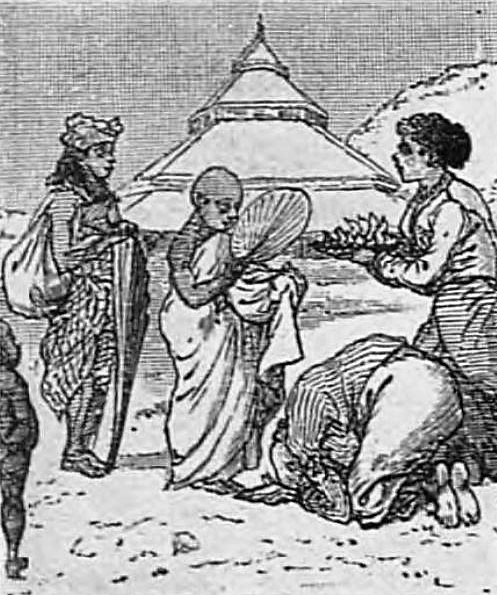
used in reference to a grovelling or obsequious appeal for financial help (1903)—originally a bowl carried by a Buddhist monk to receive food (1878)
Read More1718—to sacrifice one’s principles for the sake of conformity—from 2 Kings, where Naaman seeks permission from Elisha to worship the Aramaean god Rimmon
Read More word histories