meaning and origin of ‘the law of the Medes and Persians’
England, 1627—something which cannot be altered—refers to the unalterableness of the law of the Medes and Persians in the Book of Daniel, 6
Read More
“ad fontes!”
England, 1627—something which cannot be altered—refers to the unalterableness of the law of the Medes and Persians in the Book of Daniel, 6
Read MoreUK, 1807—(of someone) active and in good health—(of something) prevalent and very active
Read More
USA, 1953—originally a motto adopted by football coaches—has often been used humorously with variation of the main clause
Read More1974—coined by the Irish journalist John Healy with reference to the Troubles in Northern Ireland
Read More1825, Anglo-Irish alteration of ‘by Jesus’—1867 as one word—‘the bejesus out of’ (1931) intensifies the action conveyed by the preceding verb
Read MoreWhy is the element one in words such as alone and only not pronounced like the numeral one? Both the indefinite article an (a before consonant) and the numeral one are from Old English ān—which has survived in Scotland as ane, used both as indefinite article and as numeral. This Old-English word ān meant a/an, one, […]
Read MoreScotland, 1749—from the idea of daring to grab a lion’s “beard” and figurative uses of ‘beard’: (verb) ‘confront’ – (noun) ‘face’
Read Morefrom Phormio, by the Roman dramatist Terence—appeared in English in the 1539 translation of Erasmus’s adages
Read More
UK, 1816—successful person attracting envious hostility—from Tarquin’s decapitation of the tallest poppies to indicate the fate of enemies
Read More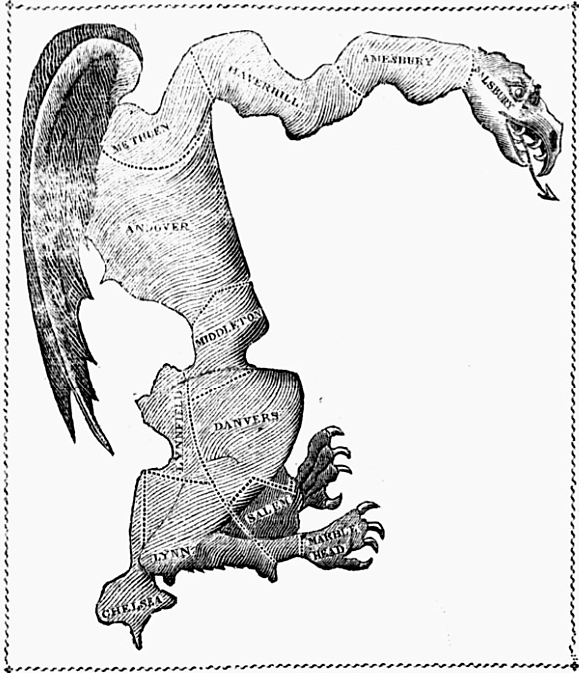
the drawing of the ‘Gerry-mander’ and the accompanying text—as published in the Boston Gazette (Boston, Massachusetts) of 26 March 1812
Read More
