‘Joe Soap’: meanings and history
UK—originated in British-Army slang, first to designate an unintelligent person (1943), then any ordinary soldier of the lowest ranks (1945)—finally also, in civilian usage: any ordinary person (1947)
Read More
“ad fontes!”
UK—originated in British-Army slang, first to designate an unintelligent person (1943), then any ordinary soldier of the lowest ranks (1945)—finally also, in civilian usage: any ordinary person (1947)
Read Morea hypothetical ordinary working man—USA, 1970—refers to a man who buys beer in six-packs—apparently coined by a political informant on the blue-collar area of Fields Corner in Dorchester, neighbourhood of Boston, Massachusetts
Read MoreAmerican English, 1823—meaning: if one is falsely reputed to act in a specific manner, then one may as well act in that manner
Read More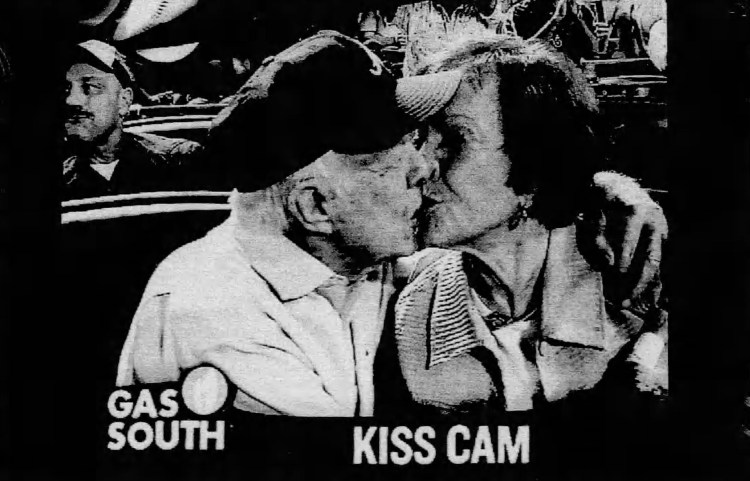
a live video feed in a sports arena showing images of selected couples in the audience in the expectation that they will kiss—USA and Canada, 2001
Read More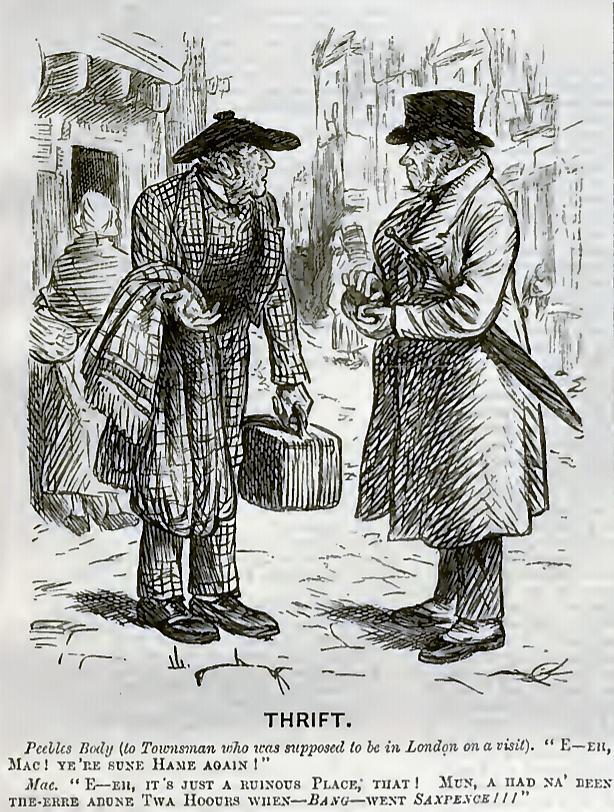
UK, 1870—based on the stereotype of Scots being miserly—from the story of the Scotsman who complained that he had to spend, in London, the small sum of sixpence
Read More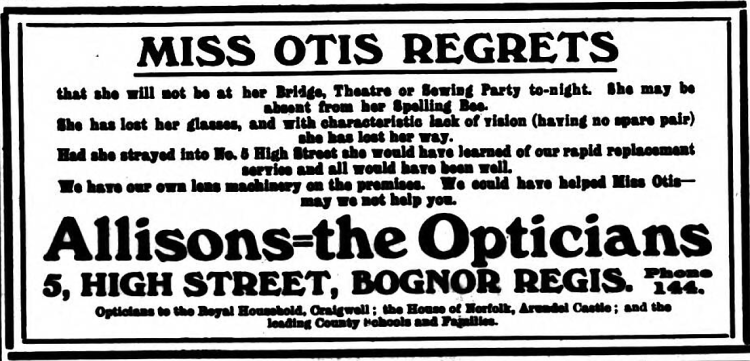
UK 1934 – USA 1935—alludes to a sardonic song by Cole Porter, about the lynching of an upper-class woman after she murders her unfaithful lover
Read More
writing is more effective than military power or violence—UK, 1832—often erroneously ascribed to E. Bulwer-Lytton in ‘Richelieu; or, The Conspiracy’ (1839)
Read More
a great commotion about a trivial matter—‘a storm in a teacup’: UK, 1775—‘une tempête dans un verre d’eau’: France, 1785
Read More
USA—originally used during the 1960 presidential election campaign by the Democratic Party to denigrate Richard Nixon, the Republican Party’s nominee
Read More
used of someone who won’t admit defeat—USA, early 20th century—but used in the late 19th century in reference to physical weakness
Read More word histories