Australia, 1981—the ideology of the Australian Labor Party’s left wing, “for whom the ultimate test of a policy is the feeling of personal virtuousness to be derived from its espousal”—Labor politician James McClelland claimed to have coined this phrase
1980s—to become wildly or explosively angry; to become highly excited or enthusiastic; to intensify rapidly and especially alarmingly—refers to the failure of a guided missile’s guidance system (1966)
USA, 1953—value for money, return on an investment—originally used of military spending on nuclear weapons—‘bang’ denotes a nuclear explosion, ‘buck’ denotes a dollar
UK, 1847—obviously not present where one/it should be—popularised in 1859 by the British statesman John Russell—alludes to the Annals, Book III, 76, by the Roman historian Tacitus
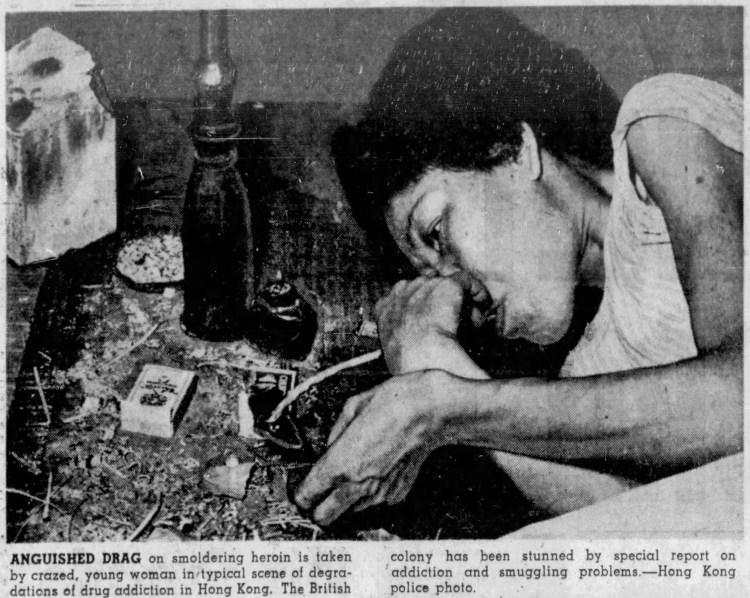
to take heroin by heating it and inhaling the fumes, which form a pattern resembling the tail of a dragon—originated in Hong Kong in the 1950s as a translation of Cantonese slang ‘chui lung’, ‘dragon chasing’
USA—1940: a policy of non-acceptance with regard to a specified situation, activity, result, substance, etc.—1971: a policy of non-acceptance with regard to abusive, anti-social or criminal behaviour, especially the use of illegal drugs
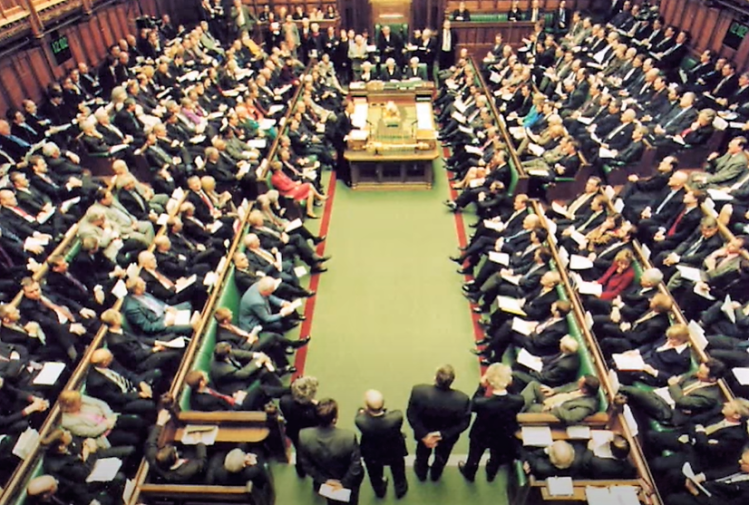
UK, 1822—of a member of parliament: to join the party opposed to one’s present party—also to vote against one’s own party; to change sides on an issue—from the practice whereby a member of parliament literally crosses the floor to join another party
UK, 1836—a person, country, etc., that appears powerful or threatening but is actually weak or ineffective—from Chinese ‘zhǐlǎohǔ’ (‘zhǐ’, paper, ‘lǎohǔ’, tiger)—used in the post-war years by the Chinese Communist Party of the USA and other reactionaries
1909 to 1923 in stories by English author P. G. Wodehouse—a facetious appellation for a home or hospital for people with mental illnesses—‘loony’: shortened form of ‘lunatic’