‘the whole boodle’: meaning and origin
USA, 1814—the whole group or set of people, animals or things—corresponds to modern Dutch ‘de hele boel’ (earlier ‘de hele boedel’)—‘boodle’: from Dutch ‘boedel’, estate, property, a large quantity
Read More
“ad fontes!”
USA, 1814—the whole group or set of people, animals or things—corresponds to modern Dutch ‘de hele boel’ (earlier ‘de hele boedel’)—‘boodle’: from Dutch ‘boedel’, estate, property, a large quantity
Read MoreUK, 1854—to belong to, or to sympathise with, two opposite groups, factions, etc.—probably a loan translation from French ‘avoir un pied dans les deux camps’ (1843)
Read MoreUSA, 1853—in a panic-stricken and unthinking manner—alludes to the phenomenon whereby a chicken can move about for a short time after decapitation, due to reflex activity of the nervous system
Read More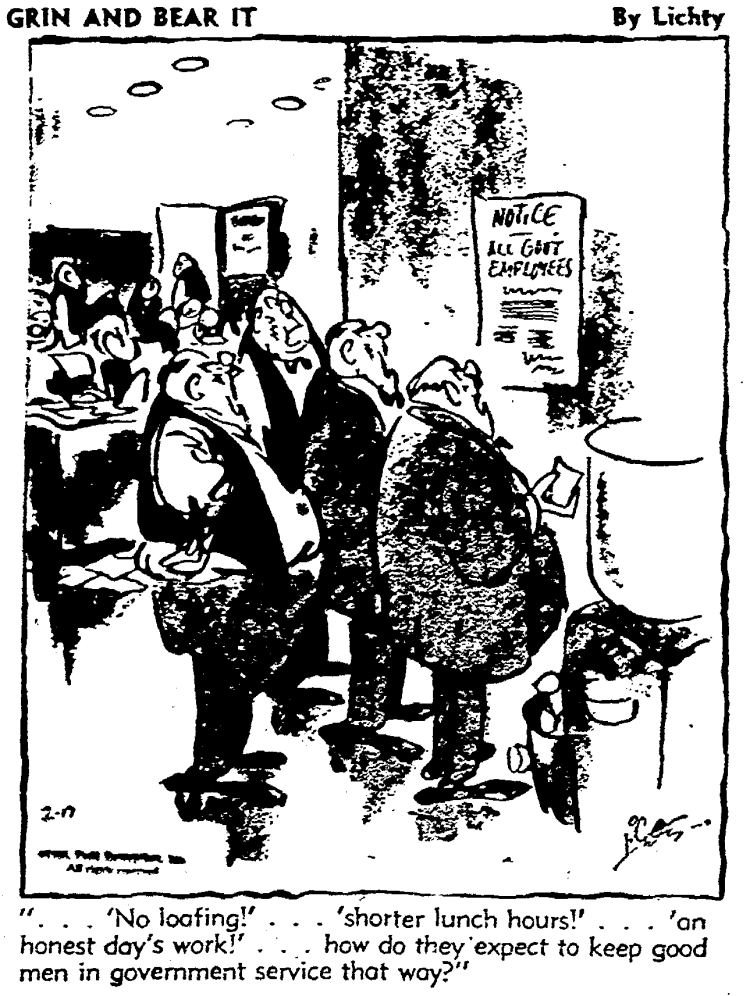
USA, 1950—a midday meal, with several martinis taken as aperitifs, enjoyed by businessmen, and/or politicians, and/or federal-government employees—especially in ‘two-martini lunch’ and ‘three-martini lunch’
Read MoreUK, 1710—in a situation in which any action one takes will have adverse consequences—‘cleft’, past participle of the verb ‘cleave’, means ‘split in two to a certain depth’—the image is of one being squeezed between the stick’s prongs
Read More1885—a person who smokes continually, typically by lighting a cigarette from the stub of the last one smoked—loan translation from German ‘Kettenraucher’—originally referred to Otto von Bismarck
Read More
African-American, 1966—different things please or satisfy different people—‘stroke’ denotes a comforting gesture of approval or congratulation, and, by extension, a flattering or friendly remark
Read More
1928 in Clara Butt: Her Life-Story, by H. W. Ponder—“Sing ’em muck! It’s all they can understand!”: advice given by Australian soprano Nellie Melba to English contralto Clara Butt, who was about to undertake a tour of Australia
Read More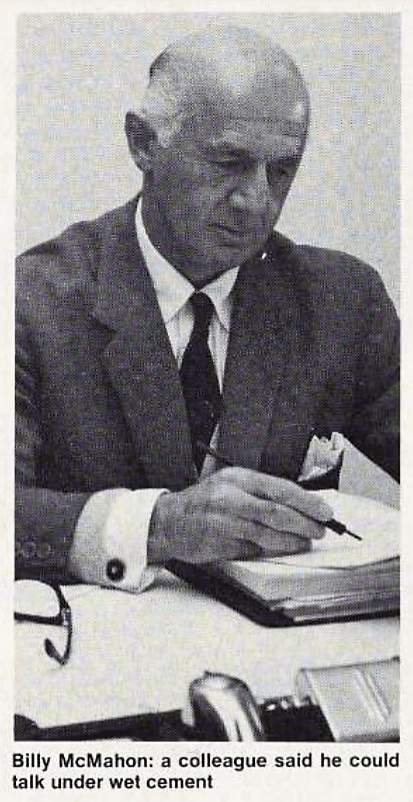
Australia—to have the gift of the gab—‘to be able to talk under water’ (1951)—‘to be able to talk under wet cement’ (1978)—‘to be able to talk under wet concrete’ (1980)
Read More
Australia, 1953—used of an extremely lazy person—refers to the artificial respirator that kept polio patients alive by “breathing” for them
Read More
