meanings and origin of ‘flavour of the month/of the week’

UK, 1967—person or thing that enjoys a short period of great popularity—the particular ice-cream flavour promoted during a month/week
Read More
“ad fontes!”
UK, 1967—person or thing that enjoys a short period of great popularity—the particular ice-cream flavour promoted during a month/week
Read More
to be sensible and intelligent—1784 in a US publication, but attributed to “a gentleman from abroad”—‘blue’, meaningless fanciful intensive, sometimes before ‘beans’
Read MoreUK, 1920—to commit a blunder; to make a tactless or indiscreet remark—meaning obscure in some early uses
Read MoreAfter ready-sliced bread was introduced, improvements in the baking industry were assessed by comparison with it—hence the figurative use of ‘since sliced bread’
Read More
‘in this day and age’ (‘at the present time’)—USA, 1832—tautology, that is to say, ‘day’ and ‘age’ are synonymous, ‘day’ meaning ‘a period of time’
Read MoreUSA, 1951—used as a humorous way of recommending someone not to pursue something at which they are unlikely to be successful
Read More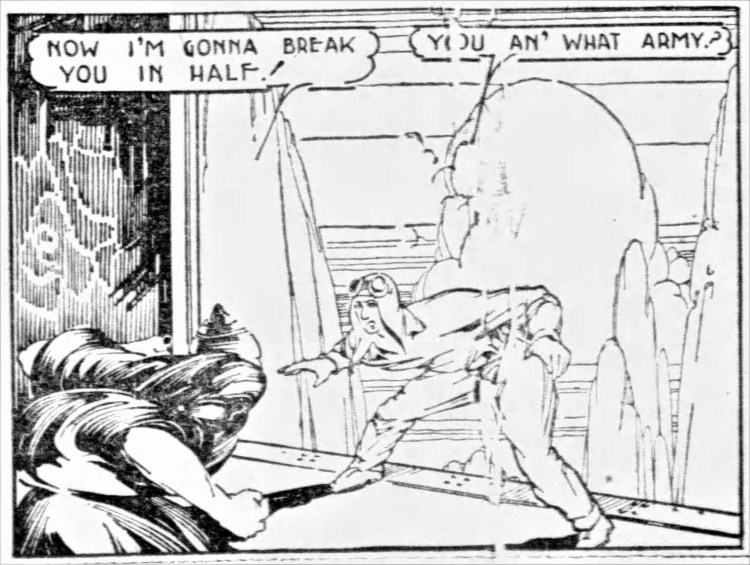
USA, 1929—‘you and whose army?’, or ‘you and what army?’: used to question a person’s ability to carry out a threat or challenge unaided
Read Moremeaning: everything is or will turn out all right—Scotland, 1891—‘bob’ probably related to the adjectives ‘bob’ and ‘bobbish’, meaning ‘well, in good health and spirits’
Read More‘to know where the bodies are buried’: to have personal knowledge of the secrets or confidential affairs of an organisation or individual—USA, 1928, as ‘to know where the body is buried’
Read Moreused with reference to a conventional or idealised romance—originated (USA, 1931) in cinematographic plot summaries in which ‘boy meets girl’ featured
Read More
