robotically conformist or obedient—from The Stepford Wives (1972 novel by Ira Levin and 1975 film adaptation by Bryan Forbes), in which Stepford is the name of a superficially idyllic suburb where the men have replaced their wives with obedient robots
USA, 1850—indicates that precedence should be given, or deference shown, to an older person—in extended use: an invitation to somebody (not necessarily older) to go first when passing through a door, etc.—pays a compliment to the person giving precedence
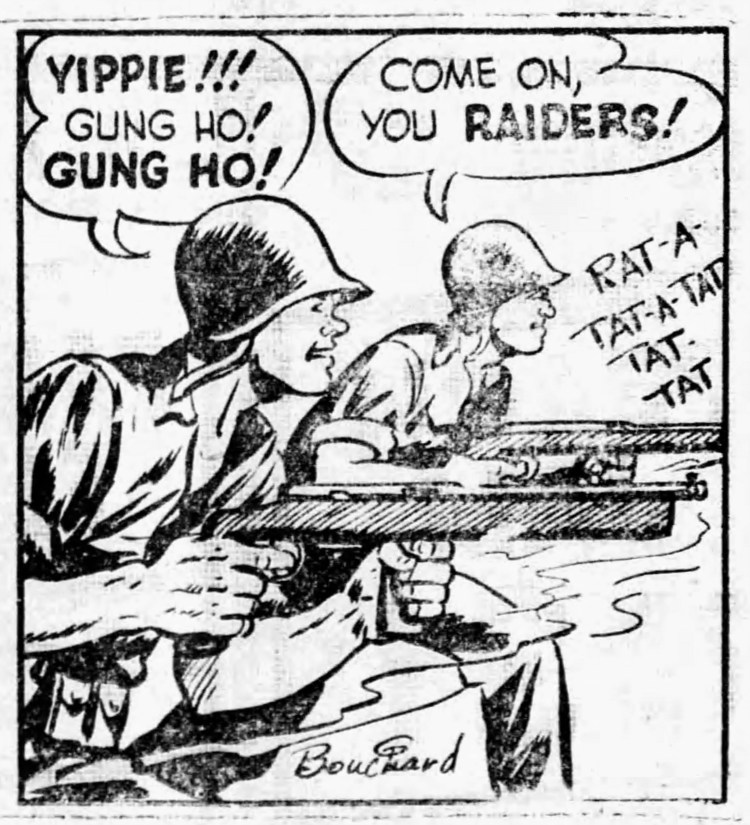
from Chinese ‘gōnghé’, short for ‘Zhōngguó Gōngyè Hézuò Shè’ (Chinese Industrial Cooperative Society)—interpreted as a slogan meaning ‘work together’ (USA, 1941)—adopted by Evans F. Carlson, commander of the 2nd Marine Raider Battalion (1942)
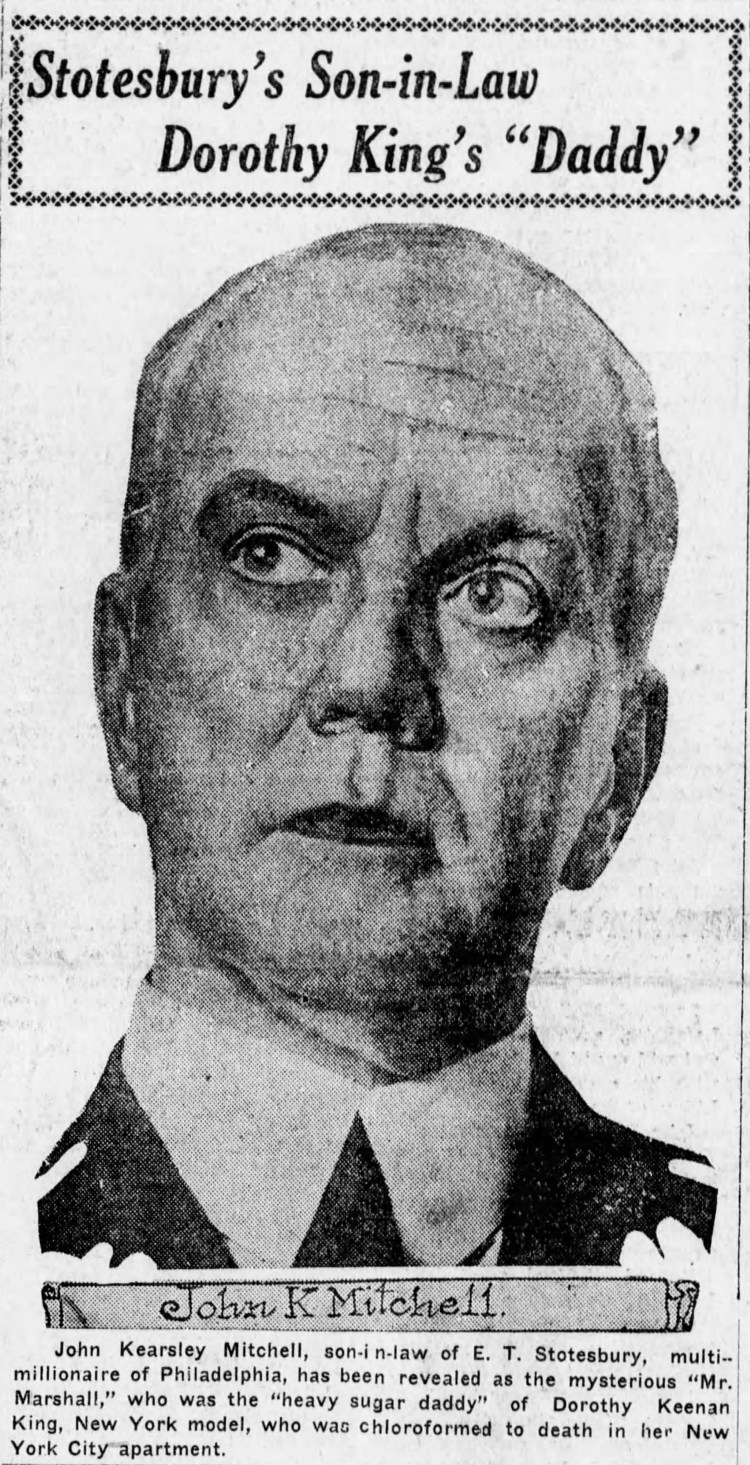
from ‘heavy-sugar daddy’ (USA, 1923), popularised by the murder of Anna Keenan (a.k.a. Dorothy King), who was a ‘heavy-sugar baby’, i.e., a woman ‘coated’ with ‘sugar’ (i.e., money) by a ‘daddy’ (i.e., an older man)
first recorded in the United Kingdom in 1914, with reference to the civilizational implication of the German invasion of Belgium at the beginning of World War One; therefore, not first used by Orson Welles in Citizen Kane (1941)
UK, 1962—the time after which programmes unsuitable for children are broadcast on television—from the image of a dividing line between two different sorts of programmes
USA, 1946—‘to have, or to get, egg on one’s face’: to be, or to get, embarrassed or humiliated by the turn of events—refers either to having eggs thrown at one’s face or to yolk stains left on the face after the careless eating of a soft-boiled egg
The noun ‘wolf whistle’ appeared in the USA in 1943—Wolf-whistling was popularised by the wolf, a cartoon character created by Tex Avery in Little Red Walking Hood (1937), which reappeared in Red Hot Riding Hood (1943).
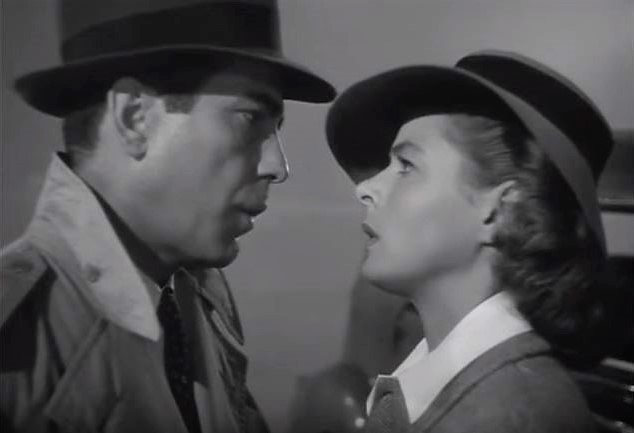
USA, 1871—The phrase ‘here’s looking at you’ is used as a toast in drinking. It is now widely associated with the American film Casablanca (1942), in which Humphrey Bogart addresses Ingrid Bergman with the words “Here’s looking at you, kid.”
first recorded in a speech by Rev. George W. Bethune, transcribed in ‘Brief abstract of the fourth annual report of board of Managers of the New-York city Colonization Society’, published in ‘The American Christian Instructor’ of April 1836