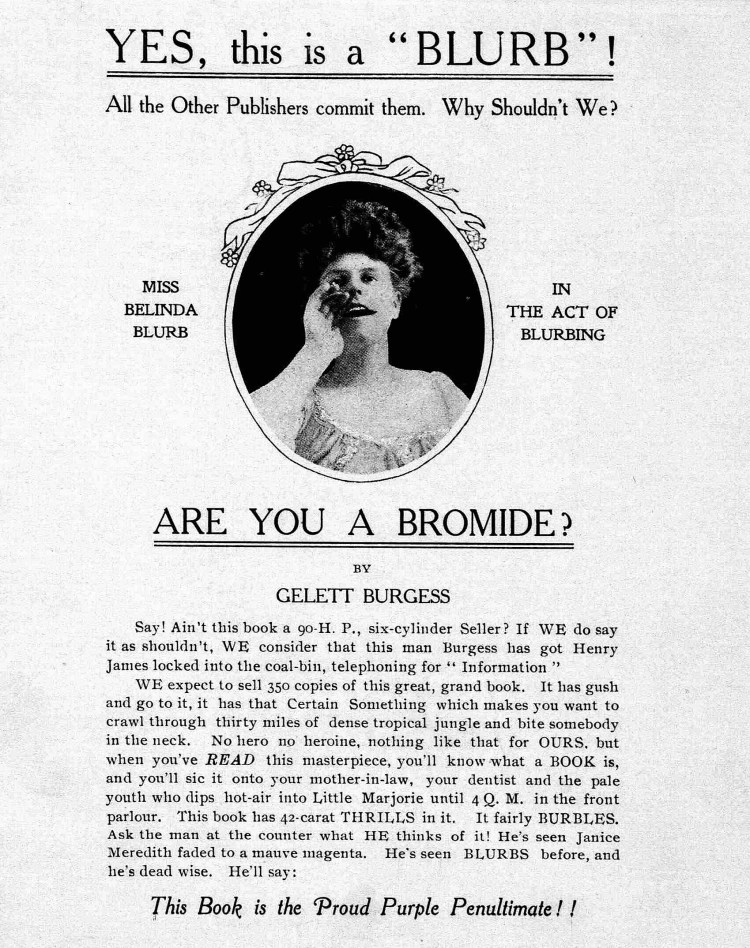
For a limited edition of his book ‘Are You a Bromide?’ sent to the guests of the 1907 annual dinner of the American Booksellers’ Association, Gelett Burgess devised a jacket showing a young lady whom he facetiously dubbed Miss Belinda Blurb.
In British slang, the noun ‘piss-up’ denotes ‘a heavy drinking bout’, and the phrase ‘couldn’t organise a piss-up in a brewery’ and variants mean ‘is’, or ‘are’, or ‘am’, ‘incapable of organising the simplest event, task, etc.’—phrase first recorded in 1980.
US, 1938—‘soap’: from early sponsors of such radio serials, often soap manufacturers—‘opera’: from the scale of dramatic incident that happens in these programs
UK, 1972—‘XXXX’: a euphemistic substitute for a four-letter swear word, usually ‘fuck’—it did not originally refer to the Australian lager Castlemaine XXXX
from ‘Don’t Bogart That Joint’ (1968), song by Fraternity of Man—alludes to the way Humphrey Bogart held a cigarette for long dialogues without smoking it
In cinematography, ‘to cut to the chase’ is to cut to a chase scene, hence to cut to an interesting or fast-paced part of a film, deleting less exciting scenes.
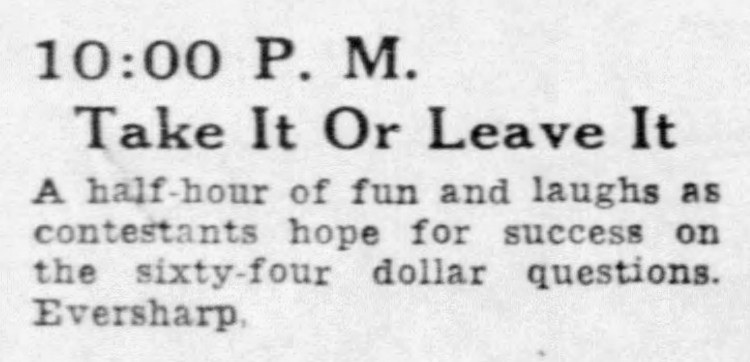
US, 1941—originated in ‘Take It or Leave It’, a radio quiz for a prize of sixty-four dollars—developed to ‘sixty-four thousand dollar question’ as early as 1943
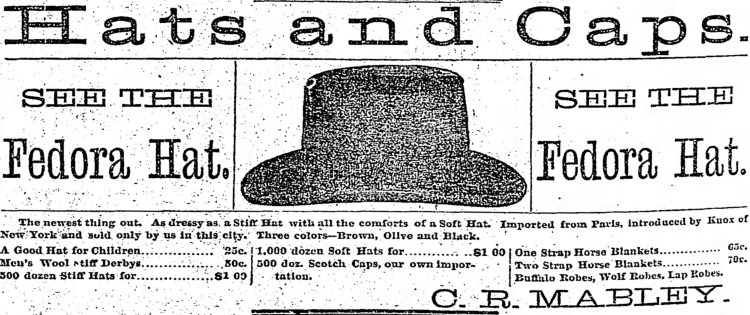
US, 1883—from the craze generated by ‘Fédora’, an 1882 drama by Victorien Sardou and the name of its heroine, played in early productions by Sarah Bernhardt



 word histories