the cinematographic origin of ‘to cut to the chase’
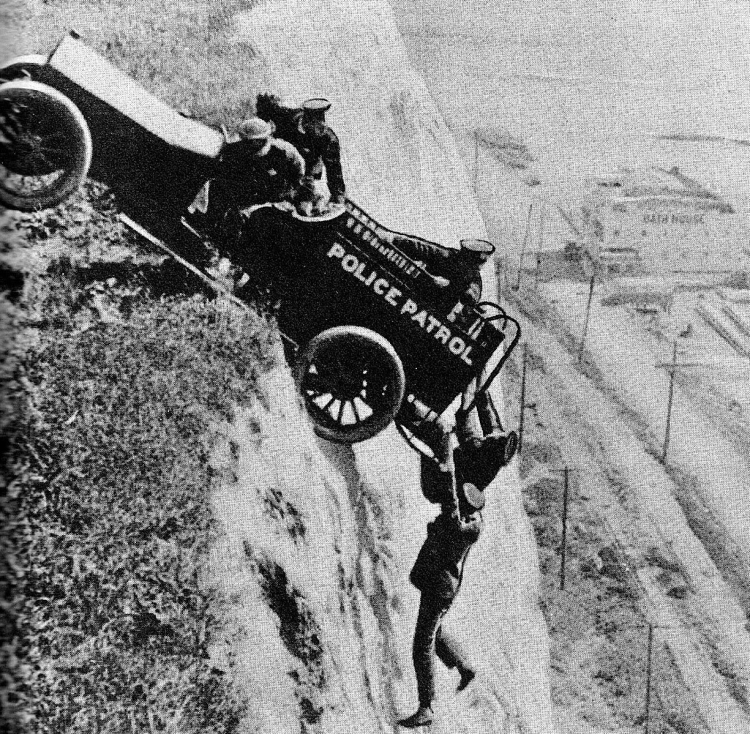
In cinematography, ‘to cut to the chase’ is to cut to a chase scene, hence to cut to an interesting or fast-paced part of a film, deleting less exciting scenes.
Read More
“ad fontes!”
In cinematography, ‘to cut to the chase’ is to cut to a chase scene, hence to cut to an interesting or fast-paced part of a film, deleting less exciting scenes.
Read More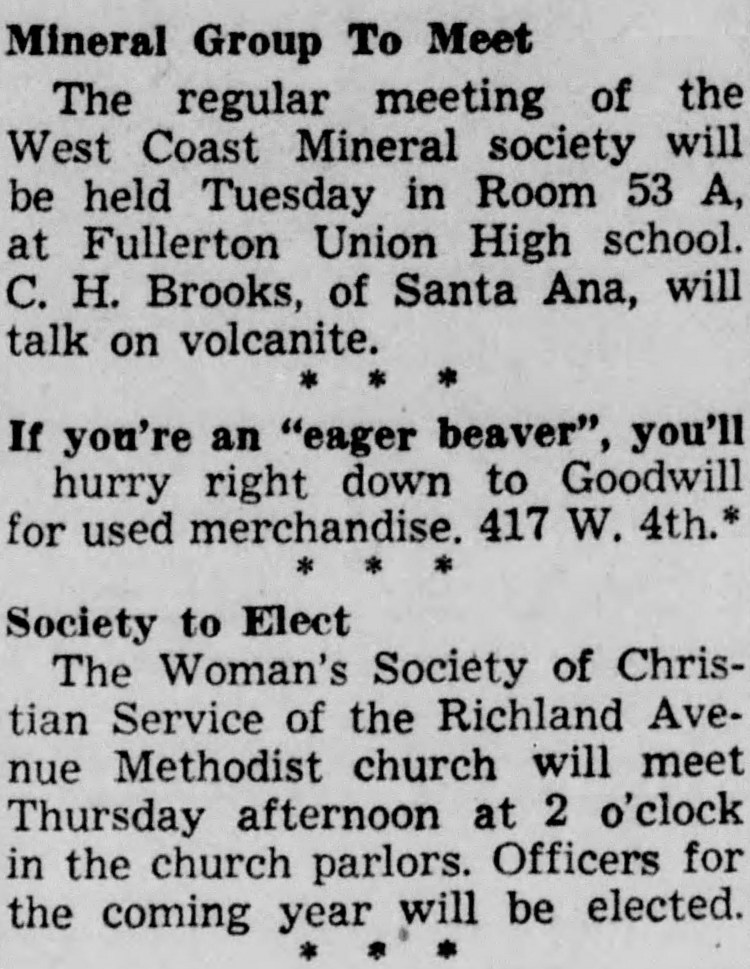
1942—In US Air Force’s slang, ‘eager beaver’ denoted an alert and efficient student cadet, with allusion to the animal’s industriousness.
Read More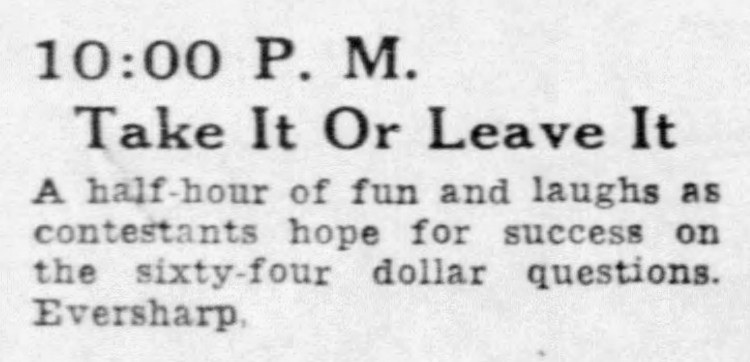
US, 1941—originated in ‘Take It or Leave It’, a radio quiz for a prize of sixty-four dollars—developed to ‘sixty-four thousand dollar question’ as early as 1943
Read More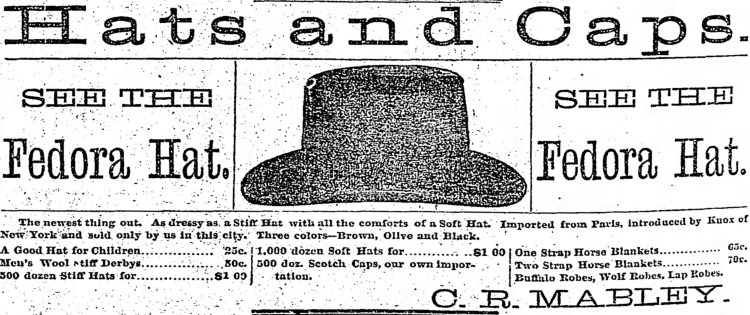
US, 1883—from the craze generated by ‘Fédora’, an 1882 drama by Victorien Sardou and the name of its heroine, played in early productions by Sarah Bernhardt
Read More
‘pin-up’—US, 1941, in ‘pin-up girl’, denoting a woman being the subject of a picture that a serviceman displays on a locker-door, on a wall, etc.
Read More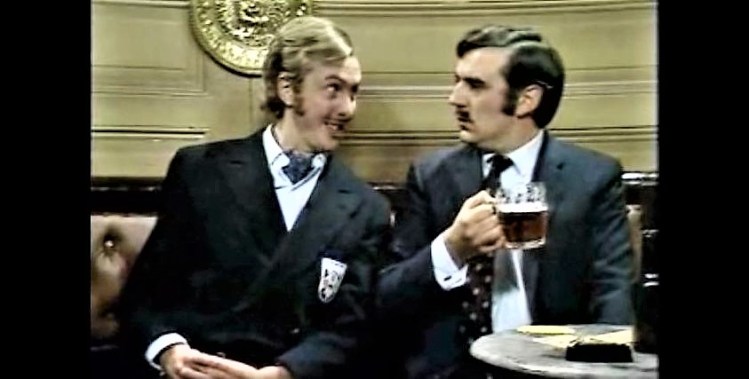
‘a nod’s as good as a wink (to a blind horse)’ 18th century—acknowledges that a hint or suggestion has been understood without the need of further elaboration
Read More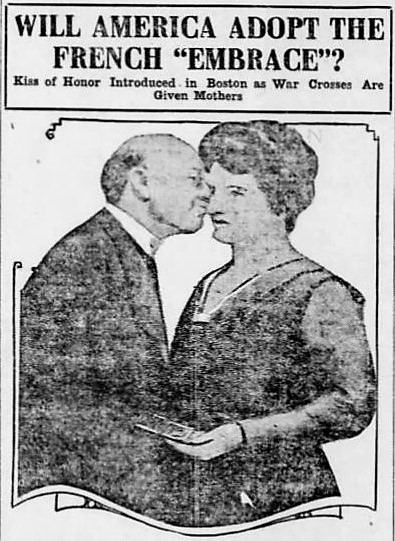
‘French kiss’—19th century: a kiss on both cheeks—early 20th century (USA): a kiss with contact between tongues
Read MoreThe verb unfriend was coined by the Church of England clergyman Thomas Fuller (1608-61) in The Appeal of Injured Innocence (1659).
Read More
early 1980s—originated in “Access. Your flexible friend”, advertising slogan for the Access credit card, which played on the notion that repayment was flexible
Read More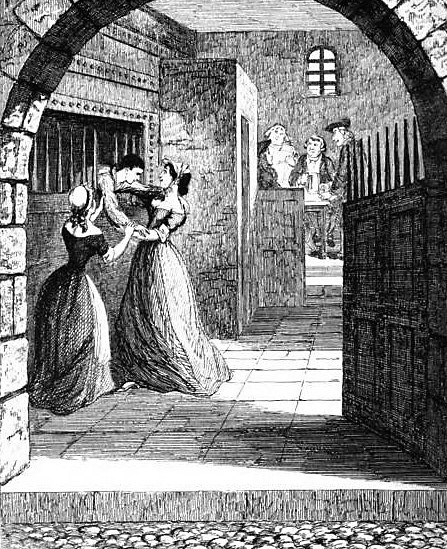
event taking place without the central figure—from an alleged performance of Hamlet in 1775 with the title role left out because the chief actor had fled
Read More
