the story of the fedora

US, 1883—from the craze generated by ‘Fédora’, an 1882 drama by Victorien Sardou and the name of its heroine, played in early productions by Sarah Bernhardt
Read More
“ad fontes!”
US, 1883—from the craze generated by ‘Fédora’, an 1882 drama by Victorien Sardou and the name of its heroine, played in early productions by Sarah Bernhardt
Read More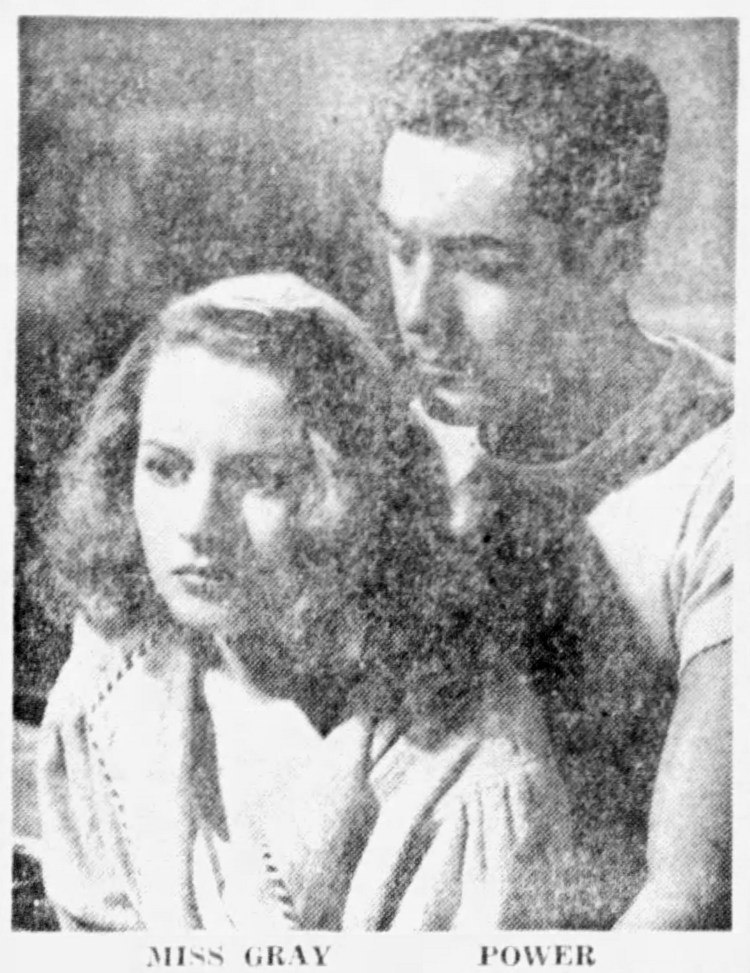
19th century, northern England—apparently a variant of ‘geck’, of Germanic origin, meaning ‘a fool’, ‘a dupe’, ‘an oaf’
Read More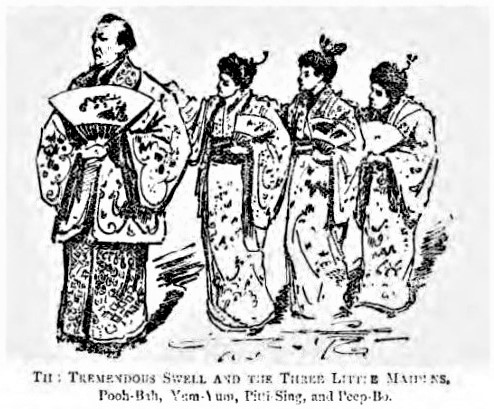
from the name of a character who holds many high offices in ‘The Mikado’ (1885), an operetta by Gilbert and Sullivan
Read More‘to season’, from Old French ‘saisonner’: ‘to do something during the proper season’, hence ‘to make appropriate to the circumstances’, ‘to flavour (a dish)’
Read Morethe troubles and activities of the world—literary or humorous, from Hamlet’s speech “to be or not be”—‘coil’: probably from Middle French ‘acueil’, encounter
Read Morefrom the gospel of Matthew, 18:6: If someone causes a child to sin, it would be better for them to have a millstone hung around their neck and be drowned in the sea.
Read More
obsession—from Dickens’s ‘David Copperfield’, in which Mr. Dick is unable to write his memoirs because of the intrusive image of King Charles the First’s head
Read More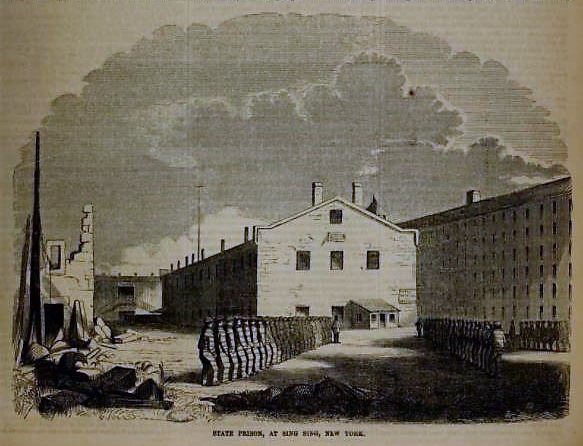
US, 19th cent.—‘to send up the river’ (to send to prison)—originally referred to Sing Sing prison, situated up the Hudson River from the city of New York
Read More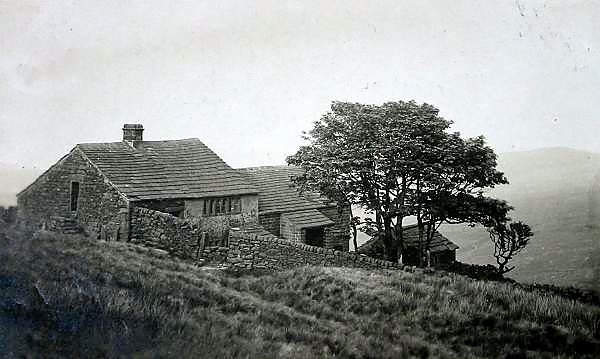
In the name of the farmhouse, ‘wuthering’ is a “provincial adjective, descriptive of the atmospheric tumult to which its station is exposed in stormy weather.”
Read More
This phrase originated in the history of American slavery: the river was the Mississippi and down implied the transfer of slaves from north to south.
Read More
