origin of ‘simon-pure’

1790—from the name of a Quaker who must prove his identity against an impostor’s claims in ‘A Bold Stroke for a Wife’ (1718), a comedy by Susanna Centlivre
Read More
“ad fontes!”
1790—from the name of a Quaker who must prove his identity against an impostor’s claims in ‘A Bold Stroke for a Wife’ (1718), a comedy by Susanna Centlivre
Read More
(British) benefit paid by the state to the unemployed (1919)—from Middle-English sense ‘food or money given in charity’—from primary sense ‘portion’, ‘share’
Read More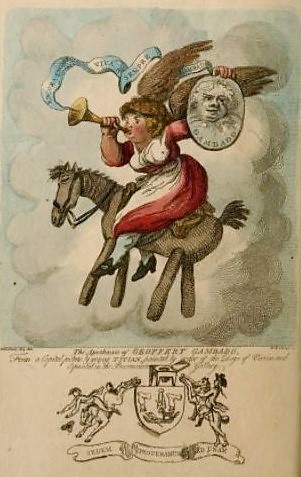
from Medieval Latin ‘paraphernalia’, short for ‘paraphernalia bona’, ‘married woman’s property’, i.e. the goods which a bride brings over and above her dowry
Read MoreThe word ‘oxymoron’ has the property it denotes: it is from Greek ‘oxús’, meaning ‘sharp’, ‘acute’, and ‘mōrόs’, meaning ‘dull’, ‘stupid’.
Read MoreVia Irish ‘póg’, Irish-English ‘pogue’ (a kiss) is from ecclesiastical Latin ‘pacem’ (kiss of peace)—the name of the band is from ‘pogue mahone’ (kiss my arse).
Read More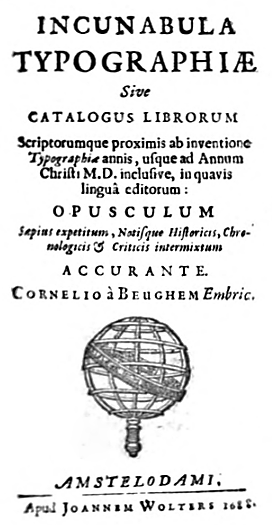
Latin ‘incunabula’: ‘swaddling clothes’, hence ‘beginning’—denotes the early printed books (from the 1450s to the end of the 15th century)
Read More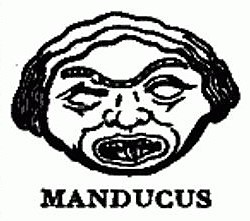
In Latin, short words having complicated irregularities in their forms gave way to simpler words with regular patterns and longer phonetic individualities.
Read More‘the land of Nod’: a state of sleep—punning allusion to the name of the region to which Cain went after he had killed his brother Abel (Genesis, 4:16)
Read More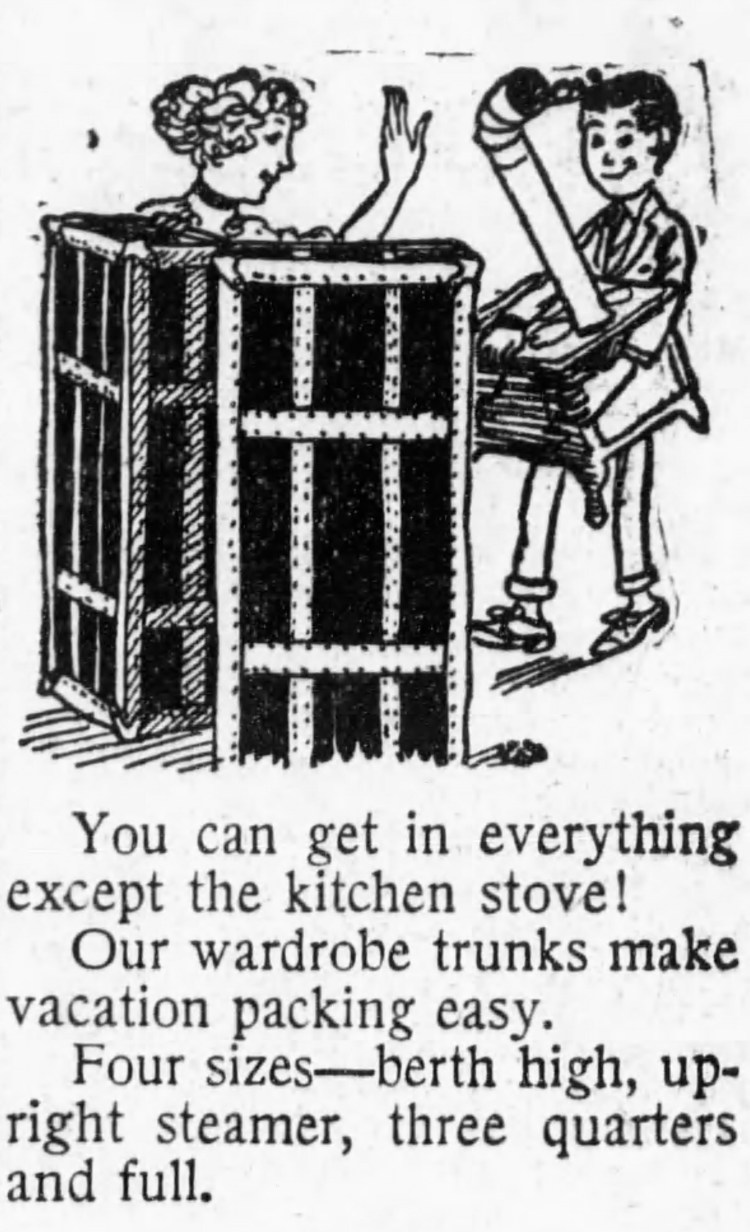
The phrase ‘everything but the kitchen sink’, or ‘the kitchen stove’, and variants mean ‘practically everything imaginable’—origin: USA, early 20th century
Read More
original meaning of ‘kidnap’, late 17th century—to steal or carry off children or others in order to provide servants or labourers for the American plantations
Read More
