meaning and origin of the phrase ‘count the spoons!’
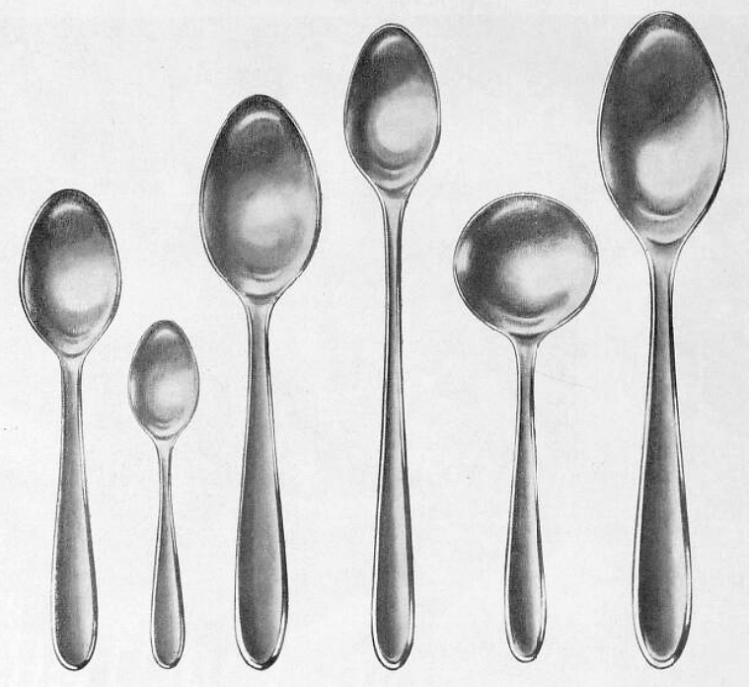
said as a jest after the departure of a person or persons regarded as untrustworthy—apparently coined by the English lexicographer Samuel Johnson (1709-1784)
Read More
“ad fontes!”
said as a jest after the departure of a person or persons regarded as untrustworthy—apparently coined by the English lexicographer Samuel Johnson (1709-1784)
Read More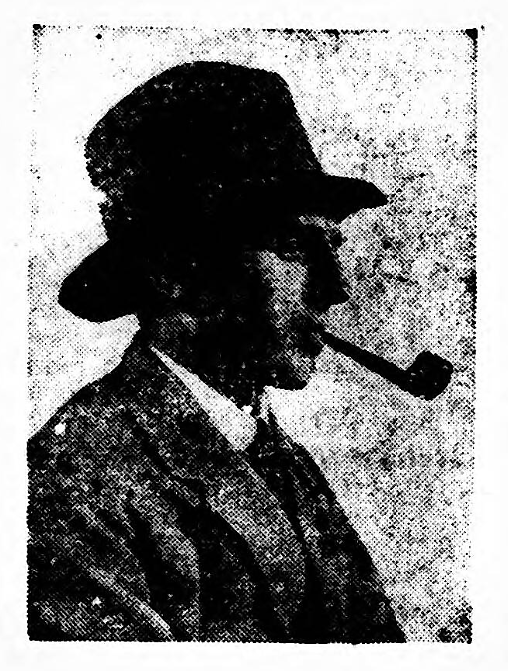
1927—a mystery man The Westminster Gazette’s readers were challenged to identify in order to claim prize money—‘Lobby Lud’: the Gazette’s telegraphic address
Read MoreUSA, 1944—sarcastic remark used in exasperation at an impatient motorist who persistently toots their horn—likens the motorist to a child in a toy car
Read MoreUK and USA, World War One—borrowing from French, literally ‘it is war’—expresses acceptance of, or resignation at, the situation engendered by war
Read More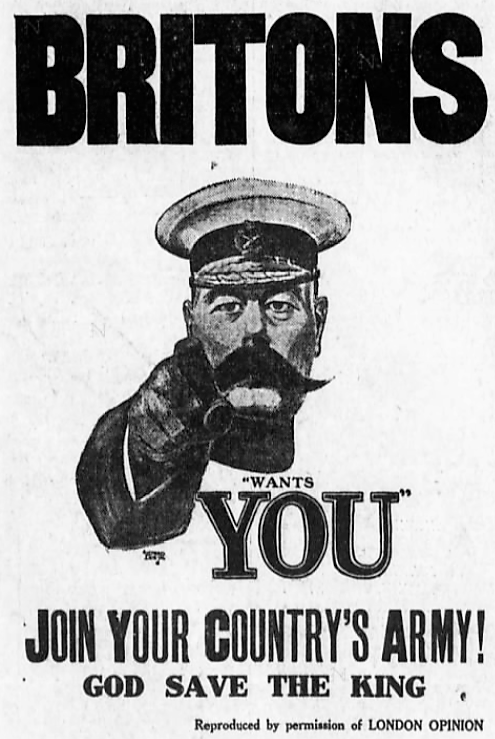
UK, 1914—from a poster showing Lord Kitchener, Secretary of State for War, used in the recruitment campaign at the beginning of World War One
Read More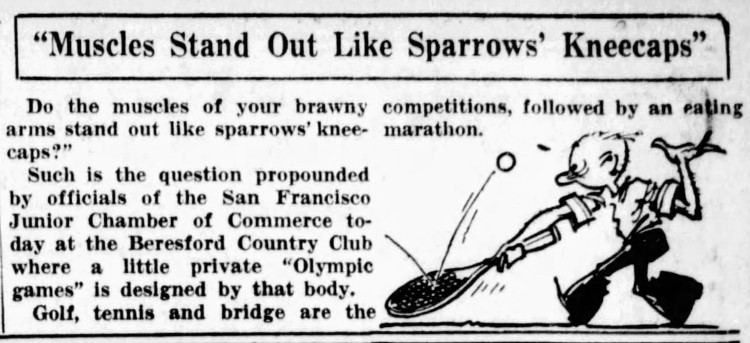
UK, 1922—(self-)disparagingly used of somebody’s physical strength—sometimes as a parody of ‘The Village Blacksmith’ (1840), by Henry Wadsworth Longfellow
Read More
coined by the English playwright Terence Rattigan (1911-1977) in the preface to Volume 2 of ‘The Collected Plays of Terence Rattigan’ (1953)
Read More
UK, 1926—completely lost or wasted—seems to allude to ‘Old Folks at Home’ (1851), also known as ‘Swanee River’, by the U.S. songwriter Stephen Foster
Read MoreEnglish phrase (1728) preceded by ‘good wits jump’, i.e. ‘agree’ (1618)—French phrase (1775) preceded by ‘les beaux esprits se rencontrent’ (1686)
Read More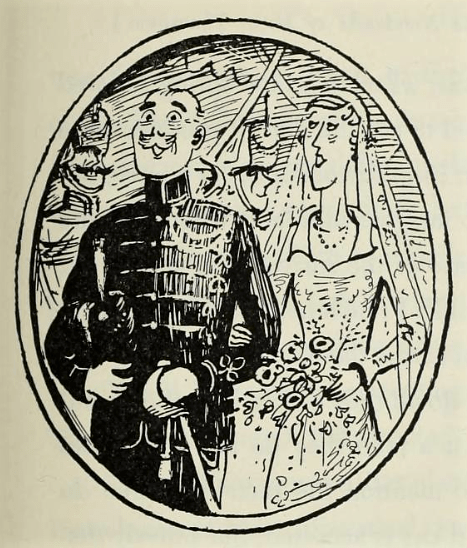
France, 1954: purported advice given to English brides-to-be on how to cope with unwanted but inevitable sexual intercourse—but this occurs in a humoristic book
Read More
