meaning and origin of the phrase ‘to wet one’s whistle’
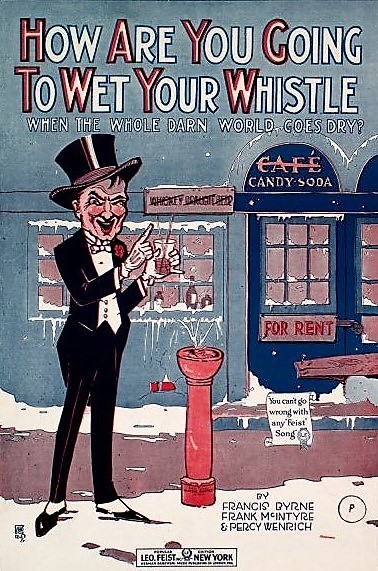
In ‘to wet one’s whistle’ (to take a drink), attested in the late 14th century, in Chaucer, ‘whistle’ is jocular for the mouth or the throat.
Read More
“ad fontes!”
In ‘to wet one’s whistle’ (to take a drink), attested in the late 14th century, in Chaucer, ‘whistle’ is jocular for the mouth or the throat.
Read More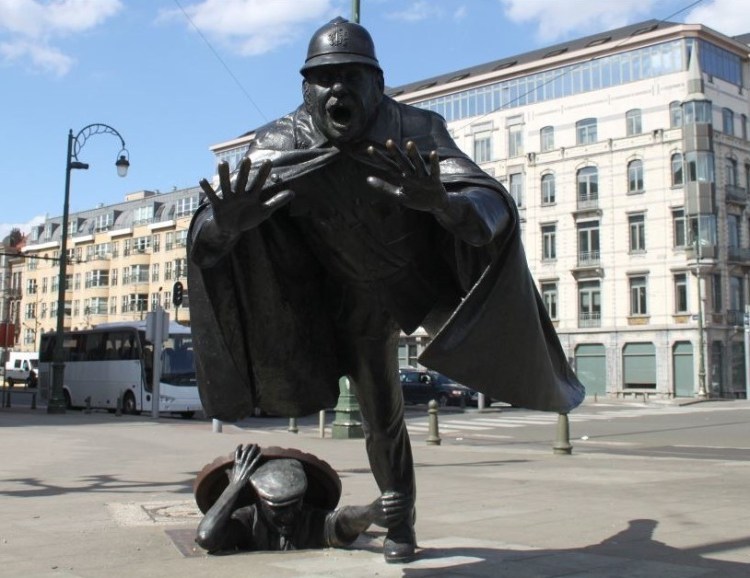
‘To pull someone’s leg’ is perhaps from the image of tripping someone literally or figuratively, of putting them at a disadvantage to make them appear foolish.
Read More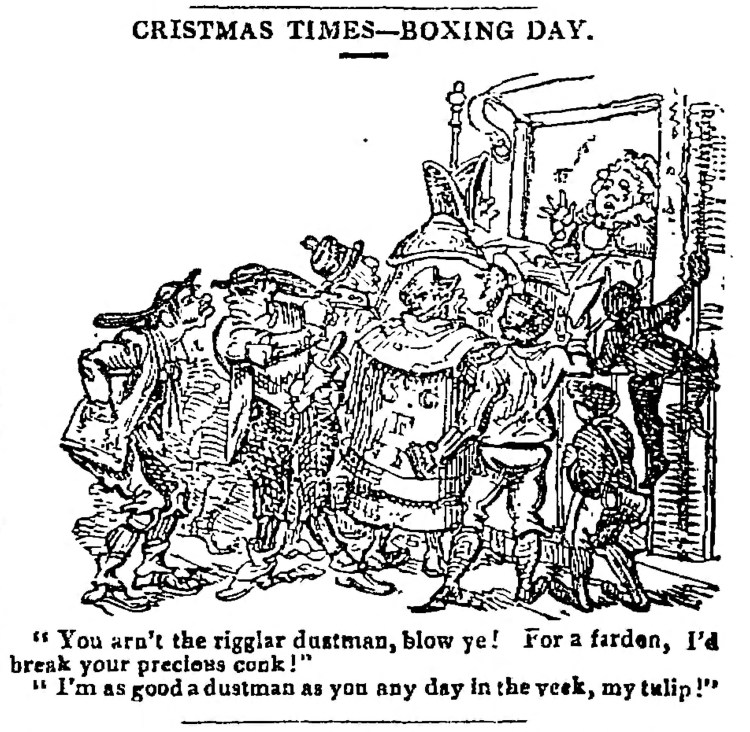
from the verb ‘box’, ‘to give a Christmas-box’, i.e. to give a gratuity or present to tradespeople and employees—originally a box in which money was collected
Read More‘The straight and narrow’: allusion to the Sermon on the Mount. ‘Straight’ is an alteration of ‘strait’, meaning ‘so narrow as to make transit difficult’.
Read More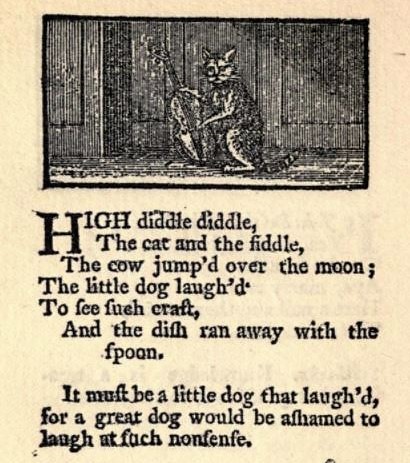
The phrase ‘over the moon’ means ‘very happy’, ‘delighted’. It seems to have originated in Ireland in the early 18th century.
Read More‘Once in a blue moon’ is a development from ‘once in a moon’, meaning ‘once a month’, hence ‘occasionally’—‘blue’ is merely a meaningless fanciful intensive.
Read MoreThis phrase is a transformation of ‘one’s head full of bees’, meaning scatter-brained, unable to think straight, as if bees are buzzing around in one’s head.
Read More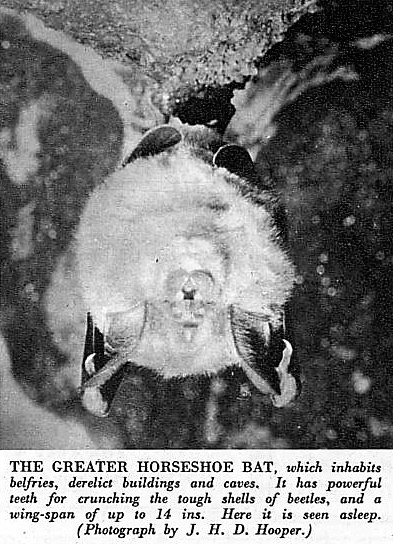
Of American-English origin, ‘to have bats in one’s belfry’ is from the image of bats flying around when disturbed, like confused thoughts in a disordered mind.
Read MoreThe word ‘slave’ is from Medieval Latin ‘Sclavus’, ‘Slav’, because the Slavic peoples were frequently reduced to a servile condition by the Germanic conquest.
Read More
The word ‘conundrum’, attested in 1596, originally meant ‘whimsy’, ‘oddity’. It perhaps originated as a parody of some Latin scholastic phrase.
Read More
