origin of ‘castles in Spain’ and ‘castles in the air’
In French medieval chansons de geste ‘castles in Spain’ denoted fiefs that had to be conquered from the Saracens by the knights to whom they had been granted.
Read More
“ad fontes!”
In French medieval chansons de geste ‘castles in Spain’ denoted fiefs that had to be conquered from the Saracens by the knights to whom they had been granted.
Read Moreearly 20th century—refers to the method of tempting a donkey to move forward by dangling a carrot before it, and beating it with a stick if it refuses
Read Morefrom the name of an 1847 farce in which a landlady lets out, unbeknown to them, the same room to two tenants, Box and Cox, the one by day, the other by night
Read More
Named after Latin ‘canina litera’ (‘the canine letter’), ‘the dog’s letter’ is a name for the letter R, from its resemblance in sound to the snarl of a dog.
Read More‘madeleine’: originally ‘gâteau à la Madeleine’ (late 18th cent.), perhaps named after French cook Madeleine Paumier – refers also to Swann’s Way, by Proust
Read More‘maudlin’: tearfully sentimental – from the Middle-English name ‘Maudelen’, designating Mary Magdalene, a follower of Jesus, customarily represented as weeping
Read More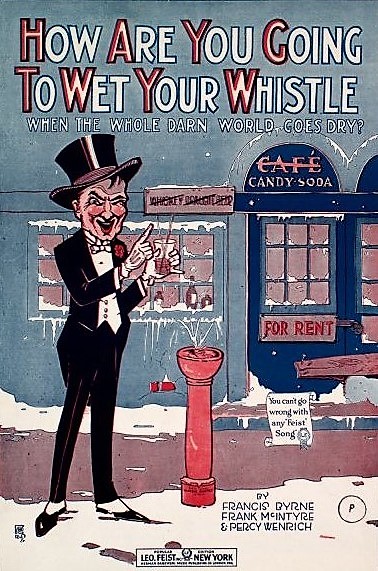
In ‘to wet one’s whistle’ (to take a drink), attested in the late 14th century, in Chaucer, ‘whistle’ is jocular for the mouth or the throat.
Read More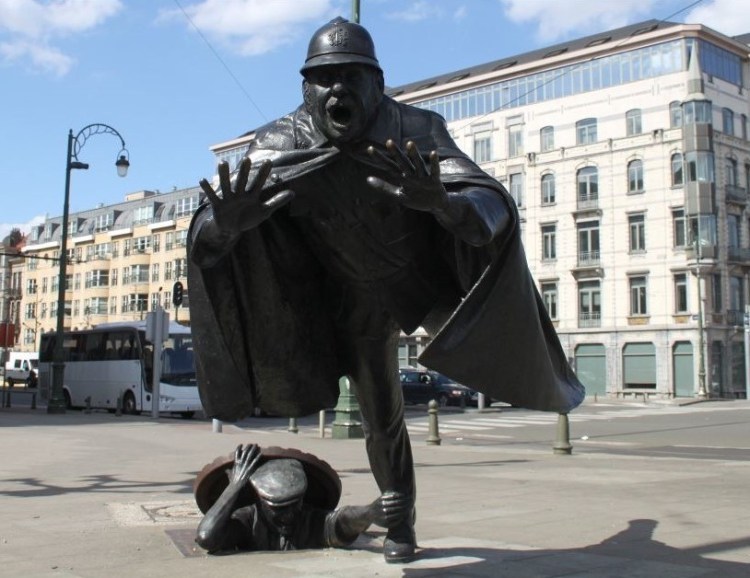
‘To pull someone’s leg’ is perhaps from the image of tripping someone literally or figuratively, of putting them at a disadvantage to make them appear foolish.
Read More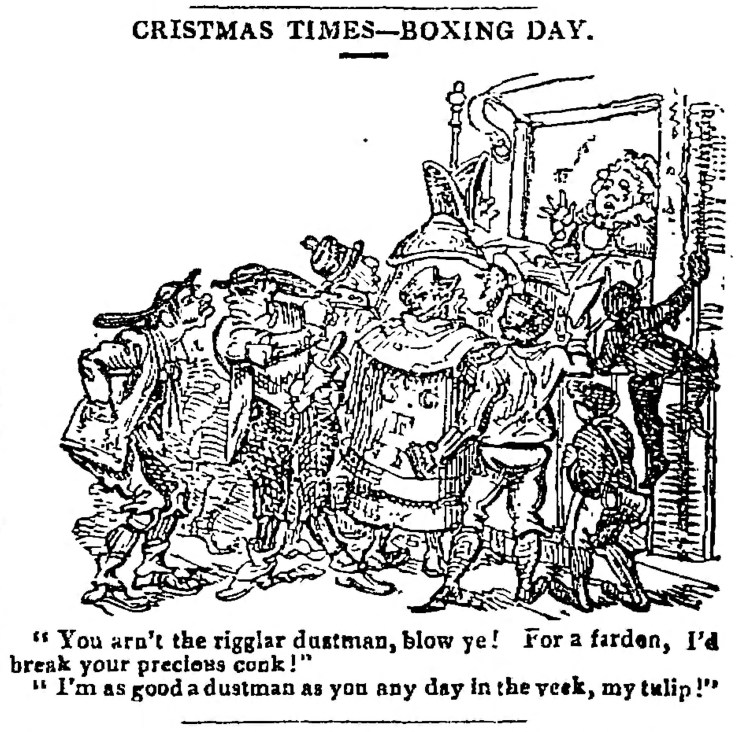
from the verb ‘box’, ‘to give a Christmas-box’, i.e. to give a gratuity or present to tradespeople and employees—originally a box in which money was collected
Read More‘The straight and narrow’: allusion to the Sermon on the Mount. ‘Straight’ is an alteration of ‘strait’, meaning ‘so narrow as to make transit difficult’.
Read More word histories