meaning and origin of ‘ivory tower’ (‘tour d’ivoire’)
1837—used by Sainte-Beuve to describe French poet Vigny’s seclusion in a turret room and preoccupation with inspiration unconnected with practical matters
Read More
“ad fontes!”
1837—used by Sainte-Beuve to describe French poet Vigny’s seclusion in a turret room and preoccupation with inspiration unconnected with practical matters
Read Moreto return to the matter in hand—from French ‘revenons à nos moutons’ (‘let’s return to our sheep’), allusion to ‘La Farce de Maistre Pierre Pathelin’ (ca 1457)
Read More
from the image of breaking the frozen surface of a river in order to make a passage for boats – probably from Latin ‘scindere glaciem’, in Erasmus’s Adages
Read More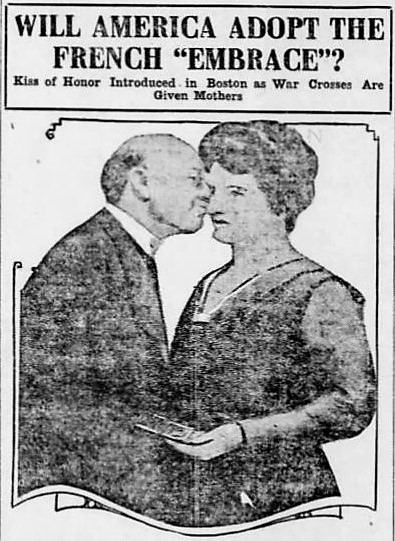
‘French kiss’—19th century: a kiss on both cheeks—early 20th century (USA): a kiss with contact between tongues
Read More
Since WWI, ‘Franglais’ has been coined to denote: French spoken by an Anglophone, English spoken by a Francophone and French speech using English words.
Read More
a sweet smell produced when rain falls on parched earth—1964; literally ‘tenuous essence derived from rock or stone’, from Greek ‘petro’ and ‘ichor’
Read More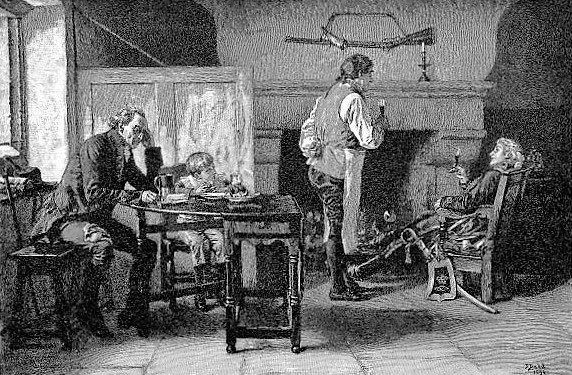
‘small beer’: ‘person(s) or matter(s) of little or no importance’ (first use by Shakespeare), from the literal sense ‘beer of a weak, poor or inferior quality’
Read More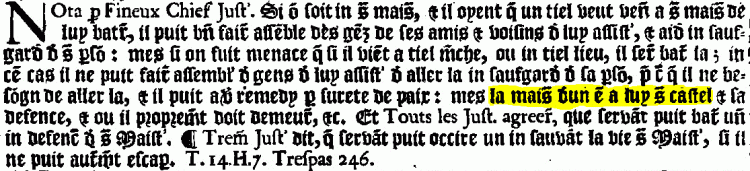
19th century—edulcoration of the legal notion of the fortress-like security of the English home, dating from the early 16th century
Read More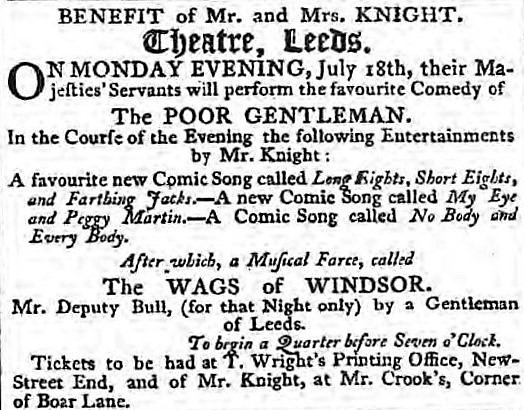
second half of the 18th century—a mere fanciful extension of ‘all my eye’—maintained in a sort of artificial life by persistent conjectures about its origin
Read More
‘caper’: probably abbreviation of ‘cabriole’, from Italian ‘capriola’, literally ‘female roe deer’, from Latin ‘capreola’, ‘wild goat’, from ‘capra’, she-goat
Read More word histories