meaning and origin of ‘a little bird told me’
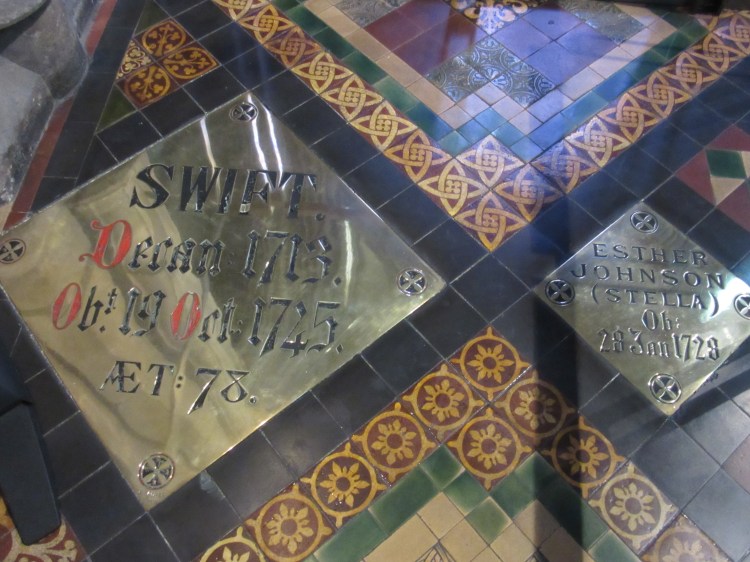
1711 in a letter by Jonathan Swift—perhaps from Ecclesiastes, 10:20: “a bird of the air shall carry the voice; and that which hath wings, shall tell the matter”
Read More
“ad fontes!”
1711 in a letter by Jonathan Swift—perhaps from Ecclesiastes, 10:20: “a bird of the air shall carry the voice; and that which hath wings, shall tell the matter”
Read More
‘rescued from a difficult situation by a timely intervention’, from (in boxing) ‘saved from being counted out by the ringing of the bell at the end of a round’
Read More18th century, of women’s clothes—‘bib’: a piece of cloth worn between throat and waist; ‘tucker’: a piece of lace or linen worn in or around the top of a bodice
Read Moremid-17th cent. in the sense ‘brand new’—from ‘spick and span new’, extension of ‘span new’, from Old Norse ‘spán-nýr’, ‘as new as a freshly cut wooden chip’
Read More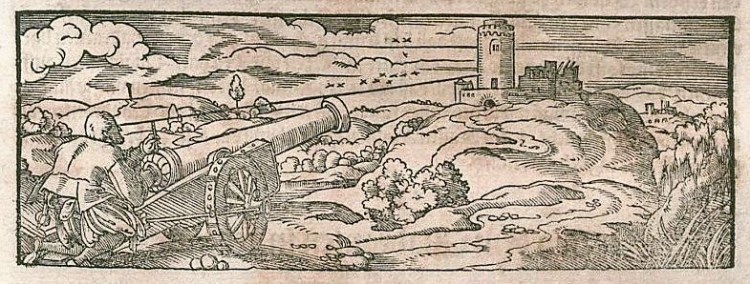
1571—probably from obsolete French ‘de pointe en blanc’, used of firing into empty space for the purpose of seeing how far a piece of artillery would carry
Read MoreUS, 1898: ‘to know one’s onion’ (in the singular), to be very knowledgeable about something — French, 1897: ‘c’est mes oignons’, it’s my own business
Read More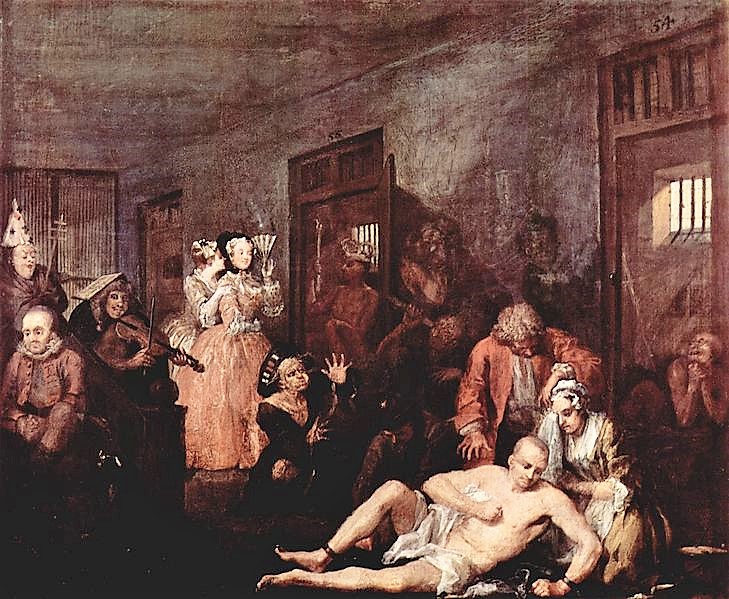
late Middle English—early form of ‘Bethlehem’, originally referring to the Hospital of St. Mary of Bethlehem in London, used as an institution for the insane
Read Moreto desert someone in trouble—late 16th cent.—from French ‘lourche’, which denoted a game resembling backgammon and was used as an adjective meaning discomfited
Read More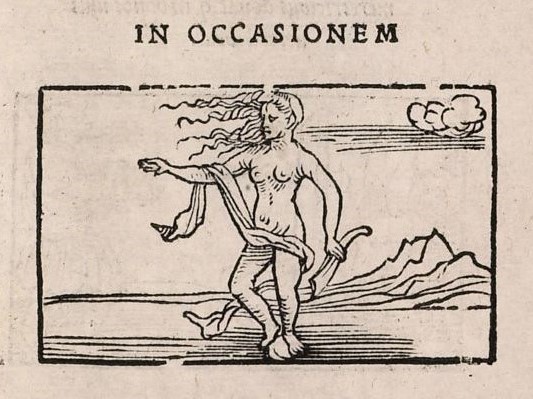
Opportunity was represented as woman completely bald except for a forelock: she can only be seized as she runs towards someone, not be caught thereafter.
Read More
early 17th century, with ‘the Dead Sea’ and ‘the deep sea’—originated in the image of a choice between damnation (‘the Devil’) and drowning (‘the sea’)
Read More word histories