origin of the phrase ‘good wine needs no bush’
first recorded in ‘As You Like It’, by Shakespeare—from the former practice of hanging a branch or bunch of ivy as a vintner’s sign in front of a tavern
Read More
“ad fontes!”
first recorded in ‘As You Like It’, by Shakespeare—from the former practice of hanging a branch or bunch of ivy as a vintner’s sign in front of a tavern
Read More
a realm of fantasy, dreams or impractical notions—1856 as ‘cuckoo-cloud-land’—from the name of the city built by the birds in ‘The Birds’, by Aristophanes
Read Moreperhaps identical to ‘pie’ (‘magpie’)—variety of ingredients maybe associated with bird’s spotted appearance or its tendency to collect miscellaneous articles
Read More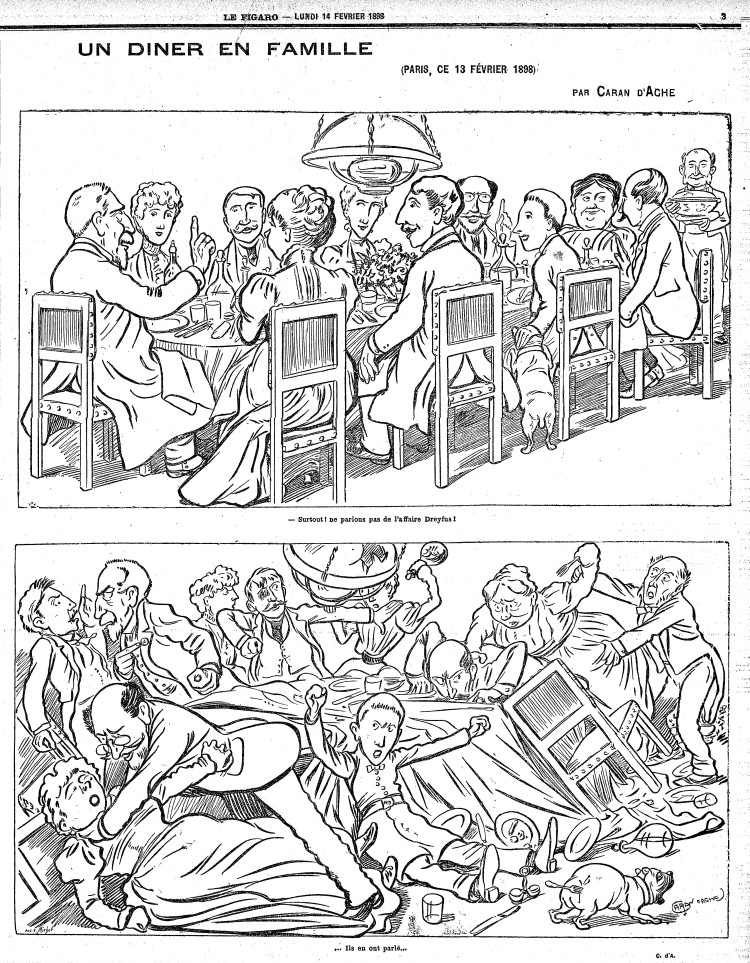
1899—public accusation in response to a perceived injustice—from the title of an open letter (1898) by Émile Zola, condemning the imprisonment of Alfred Dreyfus
Read More
in full ‘Quasimodo Sunday’: the Sunday after Easter—from the opening words of the Latin introit for that day, ‘quasimodo geniti infantes’, ‘as newborn babies’
Read More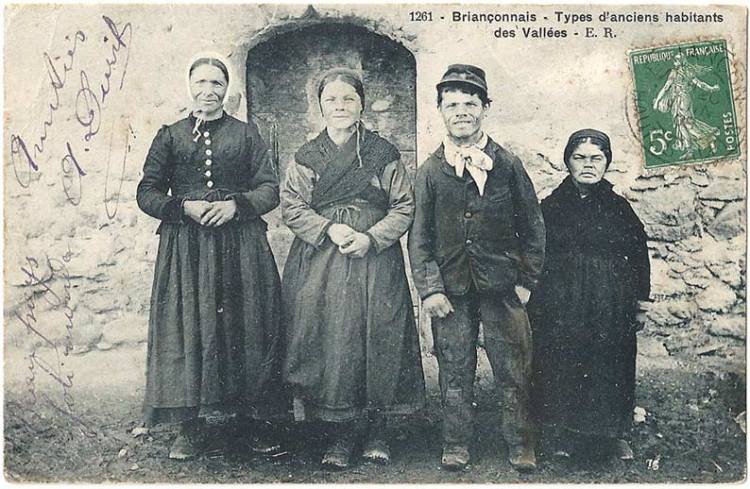
Swiss-French ‘crestin’ (= ‘Christian’): in certain valleys of the Alps, a mentally deficient, deformed person suffering from a congenital thyroid deficiency
Read MoreThe ladybird was so named on account of its seven spots, which were popularly believed to symbolise the seven sorrows of the Virgin Mary.
Read MoreSince antiquity, European languages have variously named the butterfly, in particular by using sound reduplications expressive of its fluttering.
Read More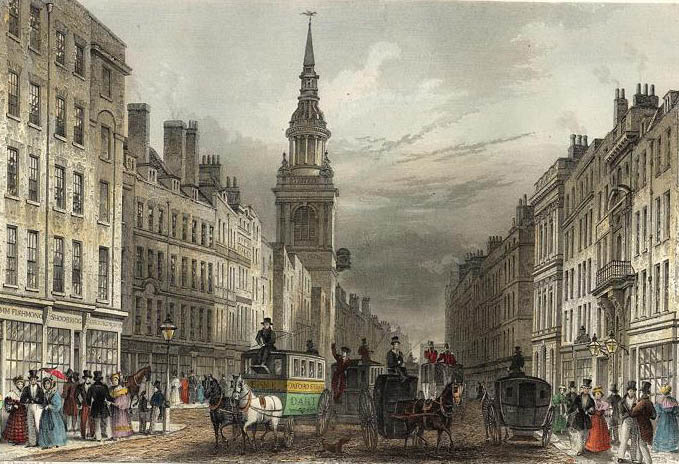
originally ‘pampered child’, later ‘town-dweller regarded as affected or puny’—origin uncertain—probably not the same word as ‘cokeney’, literally ‘cock’s egg’
Read More
from ‘at do’ (meaning ‘to do’)—construction ‘to have’ + pronominal object (e.g. ‘much’) + ‘at do’ led to ‘ado’ reinterpreted as a noun qualified by an adjective
Read More
