Greek ‘skíouros’, ultimate origin of ‘squirrel’: folk-etymologically interpreted as meaning ‘shadow-tailed’ because when the animal sits erect, it raises its tail up against its back and over its head as if to shade itself
Etymologically, ‘Shrovetide’ denotes the period during which it was customary to attend confession in preparation for Lent—but this period was also marked by feasting before the Lenten fast.
The phrase ‘below the salt’ originated in the social differentiations materialised by the former custom of placing a large saltcellar in the middle of a dining table.
French—from the noun use of the Latin adjective ‘natalis’ (from Christian-Latin ‘natalis dies’, ‘day of birth’), denoting the festival of the nativity of Christ
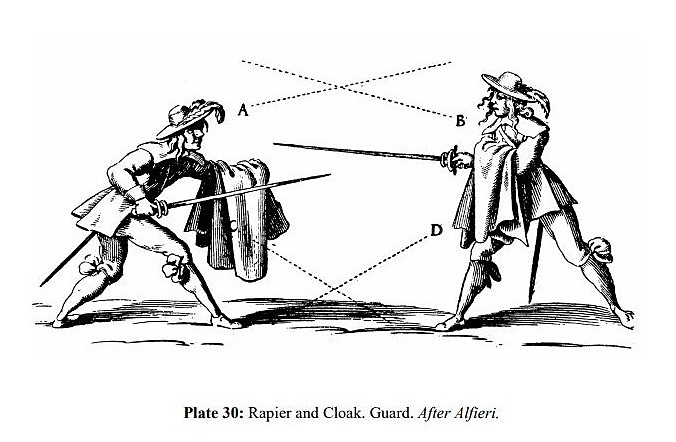
possibly from ‘cloak and sword’, from Spanish ‘(comedia) de capa y espada’, a type of dramas in which the main characters wore cloaks and swords or daggers
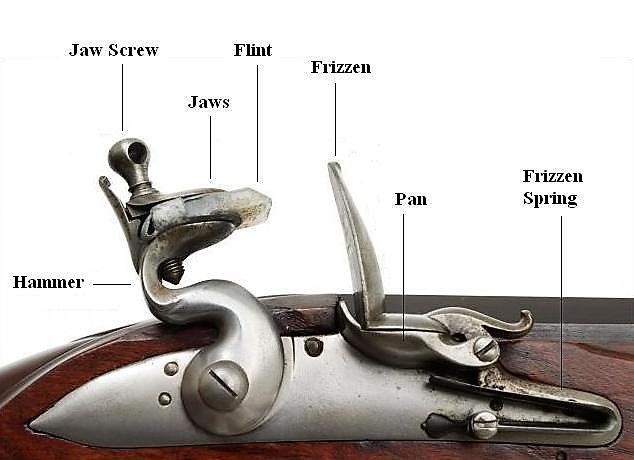
‘flash in the pan’: originally referred to the priming gunpowder flaring up in the flash-pan without then exploding the main charge in the barrel of a firearm