the supposed origin of ‘to have one’s work cut out’: tailoring
supposedly an allusion to the preparation of fabric to be worked on: once the shapes have been cut out, the tailor still has a lot of sewing to do
Read More
“ad fontes!”
supposedly an allusion to the preparation of fabric to be worked on: once the shapes have been cut out, the tailor still has a lot of sewing to do
Read More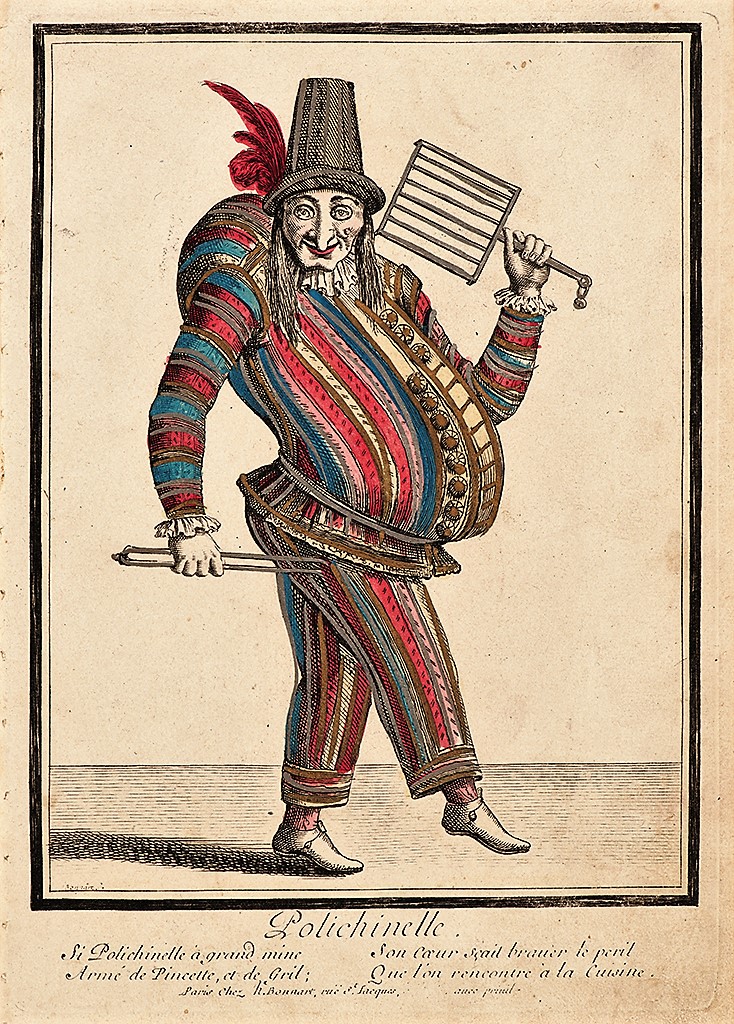
Several English and French words and phrases are ultimately derived the Latin noun ‘pullus’, meaning ‘young animal’, in particular ‘young fowl’.
Read MoreFrench—from the noun use of the Latin adjective ‘natalis’ (from Christian-Latin ‘natalis dies’, ‘day of birth’), denoting the festival of the nativity of Christ
Read More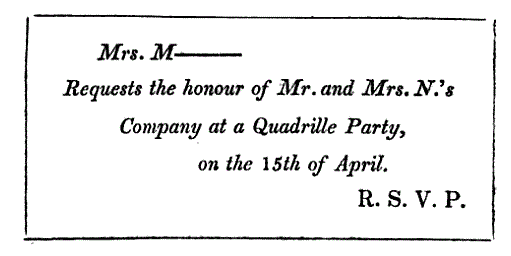
early 19th century—initialism from French ‘répondez s’il vous plaît’ (‘respond if you please’), used at the end of invitations to request a response
Read More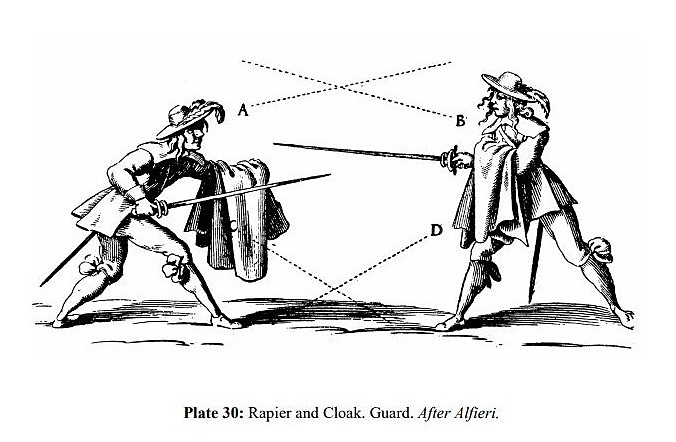
possibly from ‘cloak and sword’, from Spanish ‘(comedia) de capa y espada’, a type of dramas in which the main characters wore cloaks and swords or daggers
Read More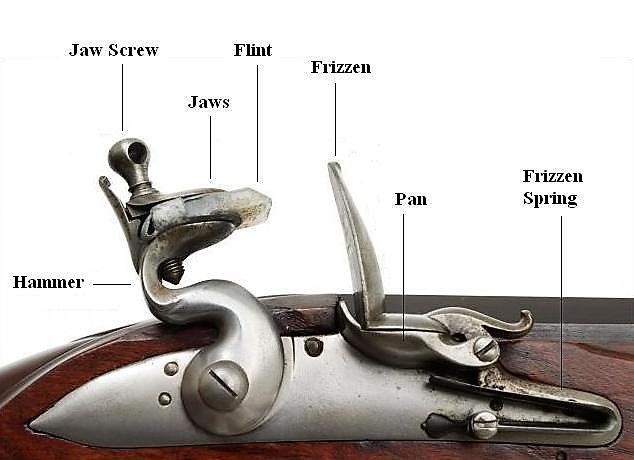
‘flash in the pan’: originally referred to the priming gunpowder flaring up in the flash-pan without then exploding the main charge in the barrel of a firearm
Read Morefirst recorded in ‘As You Like It’, by Shakespeare—from the former practice of hanging a branch or bunch of ivy as a vintner’s sign in front of a tavern
Read More
a realm of fantasy, dreams or impractical notions—1856 as ‘cuckoo-cloud-land’—from the name of the city built by the birds in ‘The Birds’, by Aristophanes
Read Moreperhaps identical to ‘pie’ (‘magpie’)—variety of ingredients maybe associated with bird’s spotted appearance or its tendency to collect miscellaneous articles
Read More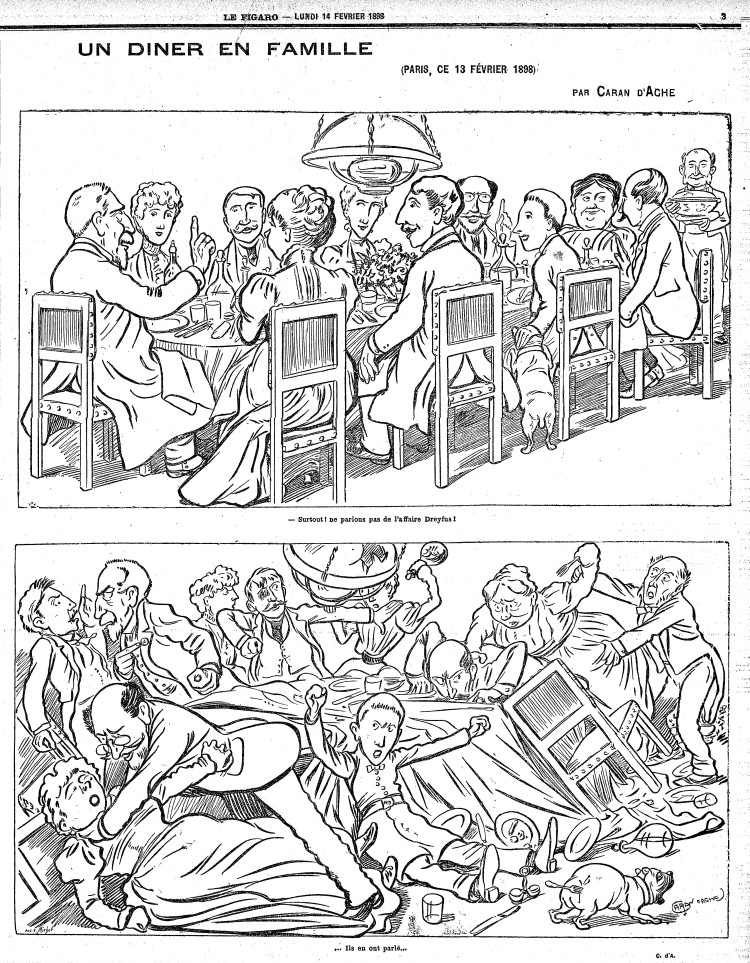
1899—public accusation in response to a perceived injustice—from the title of an open letter (1898) by Émile Zola, condemning the imprisonment of Alfred Dreyfus
Read More word histories