origin of the word ‘geek’
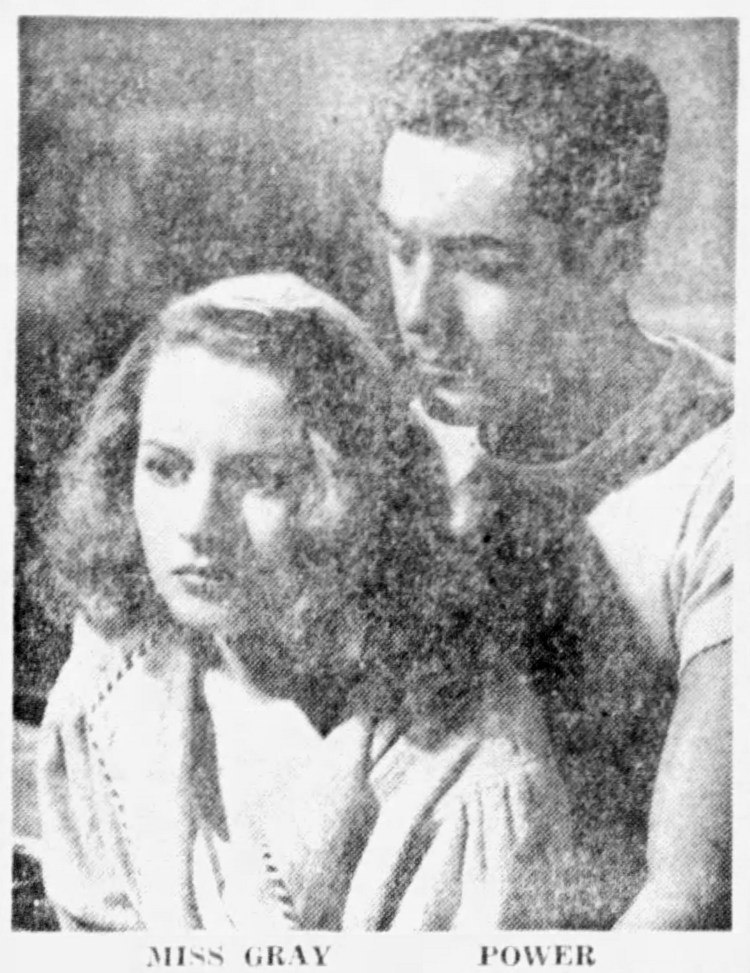
19th century, northern England—apparently a variant of ‘geck’, of Germanic origin, meaning ‘a fool’, ‘a dupe’, ‘an oaf’
Read More
“ad fontes!”
19th century, northern England—apparently a variant of ‘geck’, of Germanic origin, meaning ‘a fool’, ‘a dupe’, ‘an oaf’
Read More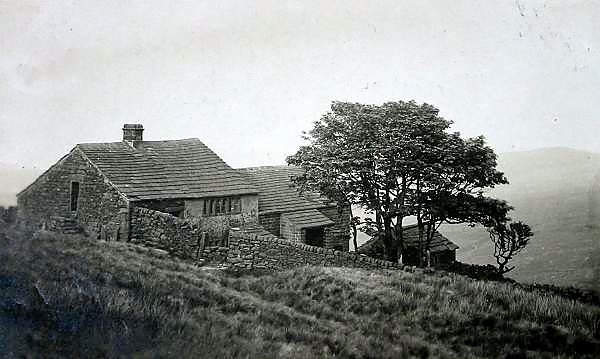
In the name of the farmhouse, ‘wuthering’ is a “provincial adjective, descriptive of the atmospheric tumult to which its station is exposed in stormy weather.”
Read Morefrom the bakers’ former practice of adding a loaf to a dozen, either as a safeguard against accusations of giving light weight or as the retailer’s profit
Read More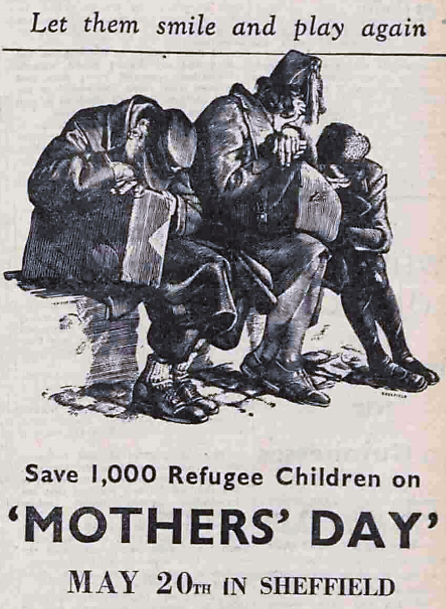
Kindertransport (from German ‘Kinder’, children): operation from 1938 to 1940 to evacuate (mostly Jewish) children from Nazi-controlled areas of Europe to the UK
Read MoreThe word ‘tyke’, a nickname for a person from Yorkshire, originally meant ‘mongrel’. The people from Yorkshire have adopted it as a term of self-reference.
Read More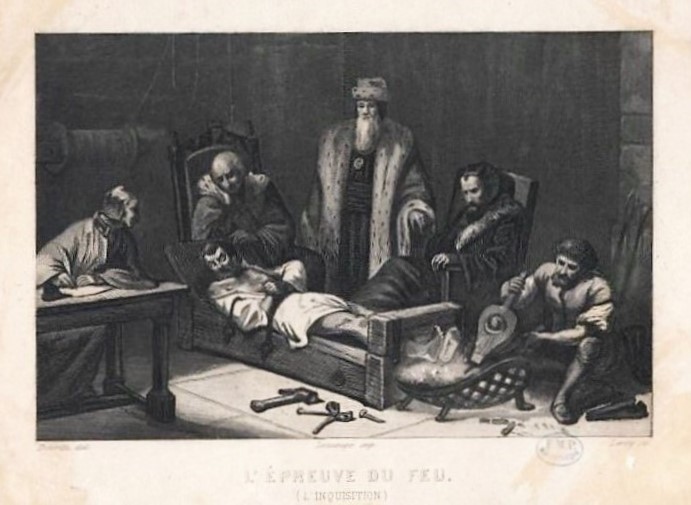
L’épreuve du feu (l’inquisition) by Devritz (painter) and Leroy (engraver) – date unknown source: BIU Santé The original meaning of the noun ordeal, from Old English ordāl, ordēl, is: an ancient test of guilt or innocence by subjection of the accused to severe pain, survival of which was taken as divine proof […]
Read MoreIn cricket, from the resemblance between the figure 0 and a duck’s egg, the term duck’s egg denotes the zero (i.e. 0) placed against a batsman’s name in the scoring sheet when he fails to score. This was explained in Very Hard Cash (1863), a novel by the English novelist and playwright Charles Reade (1814-84): […]
Read MoreIn the United Kingdom, especially in the mid-1950s, a Teddy boy was a young man characterised by a style of dress and appearance held to be characteristic of Edward VII’s reign (1901-10), typically a long velvet-collared jacket, drainpipe trousers and sideburns (Teddy is a pet form of Edward (VII)). The term first appeared in print […]
Read More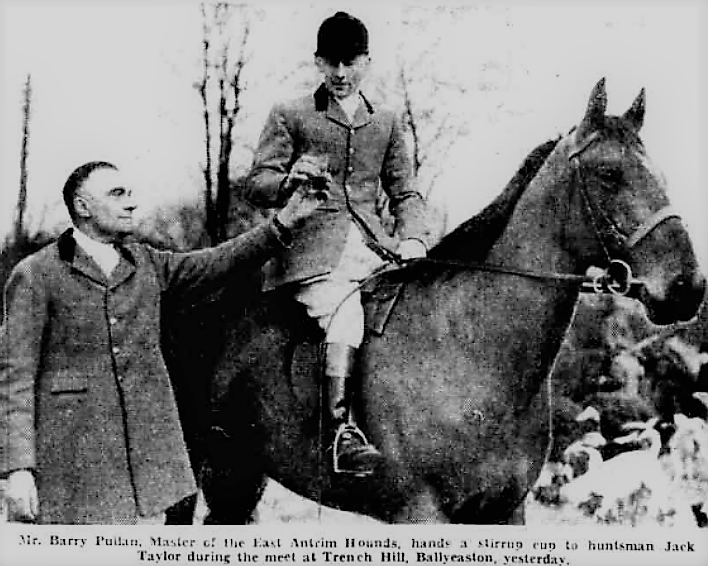
Huntsmen still use stirrup cup to designate an alcoholic drink offered to riders either as they are about to depart or when they return. Mr. Barry Puilan, Master of the East Antrim Hounds, hands a stirrup cup to huntsman Jack Taylor during the meet at Trench Hill, Ballyeaston, yesterday. from The Northern Whig and Belfast […]
Read More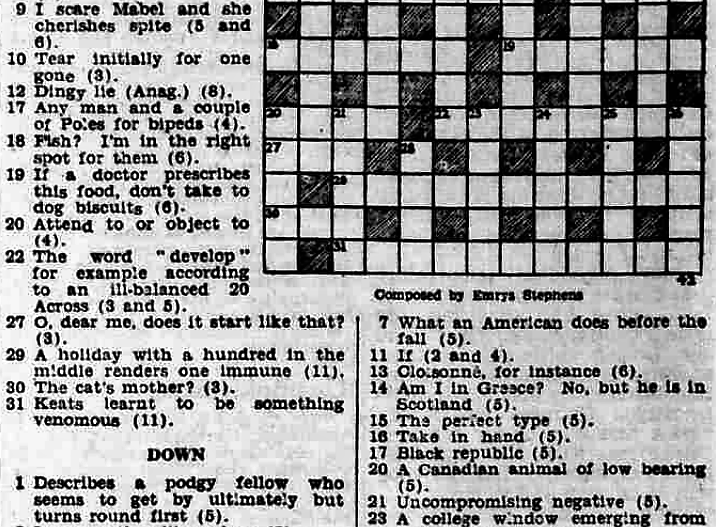
crossword in The Yorkshire Post and Leeds Mercury of 23rd January 1950 30 across: The cat’s mother? (3). The phrase who’s ‘she’—the cat’s mother? and variants are said to a person, especially a child, who uses the feminine third person singular pronoun impolitely or with inadequate reference. The earliest use of the phrase that I found is from The White […]
Read More word histories